
Introduction
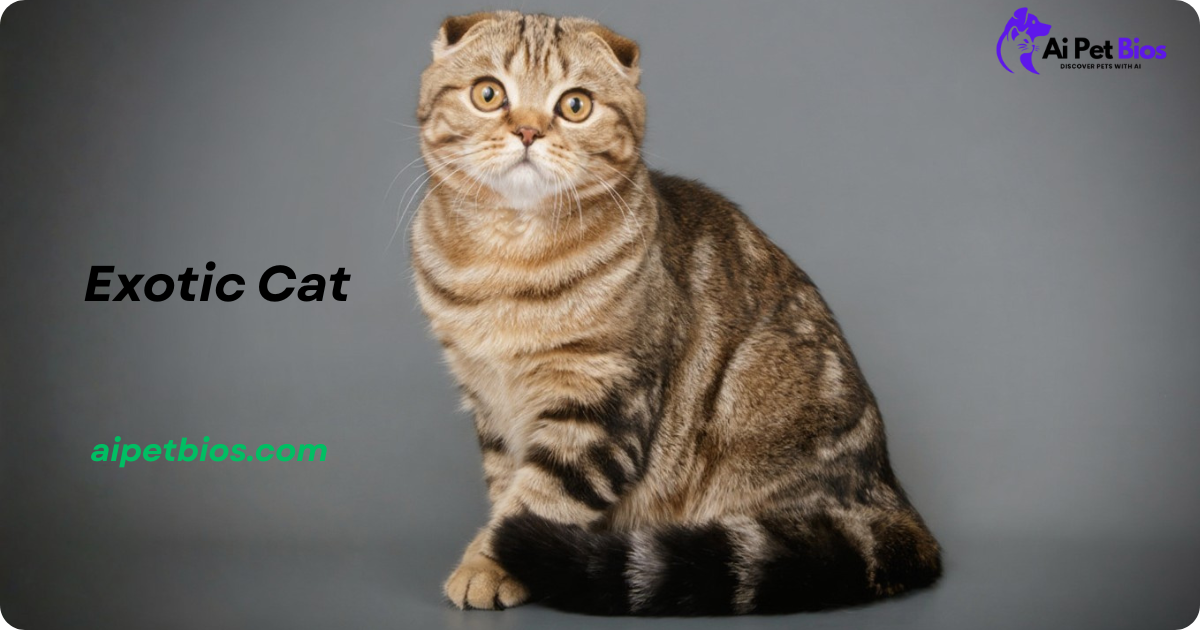
The term exotic cat carries two entirely different meanings depending on where you search. For some, it refers to the Exotic Shorthair—a domesticated breed developed by crossing Persians with American Shorthairs, offering a cuddly, flat-faced companion perfect for apartment living. For others, it describes wild or large exotic cats for sale through specialized breeders—think Caracals, Servals, and Savannahs that require expert handling, specialized permits, and significant investment.
This guide cuts through the confusion and explores both interpretations, helping you understand what distinguishes an exotic cat from conventional breeds, how much you’ll invest, what care demands are realistic, and whether one truly belongs in your home. Whether you’re drawn to the adorable wrinkled nose of an Exotic Shorthair or the untamed elegance of a large exotic cat breed, we’ll cover the facts, myths, and practical considerations that matter most.
Quick Facts Table
| Aspect | Exotic Shorthair | Wild Exotic Cats (Caracal/Serval) |
| Lifespan | 8–15 years | 10–20 years |
| Size | 7–12 lbs (small-medium) | 25–45 lbs (large) |
| Legal Status | Fully domesticated | Restricted/banned in most regions |
| Price Range | $1,000–$3,000 | $5,000–$25,000+ |
| Temperament | Affectionate, calm, playful | Unpredictable, requires experience |
| Grooming Needs | Moderate-high | Low-moderate |
| Veterinary Care | Standard domestic care | Specialized exotic vets only |
Understanding the Exotic Cat: Two Distinct Categories
1. The Exotic Shorthair: Domesticated Companion
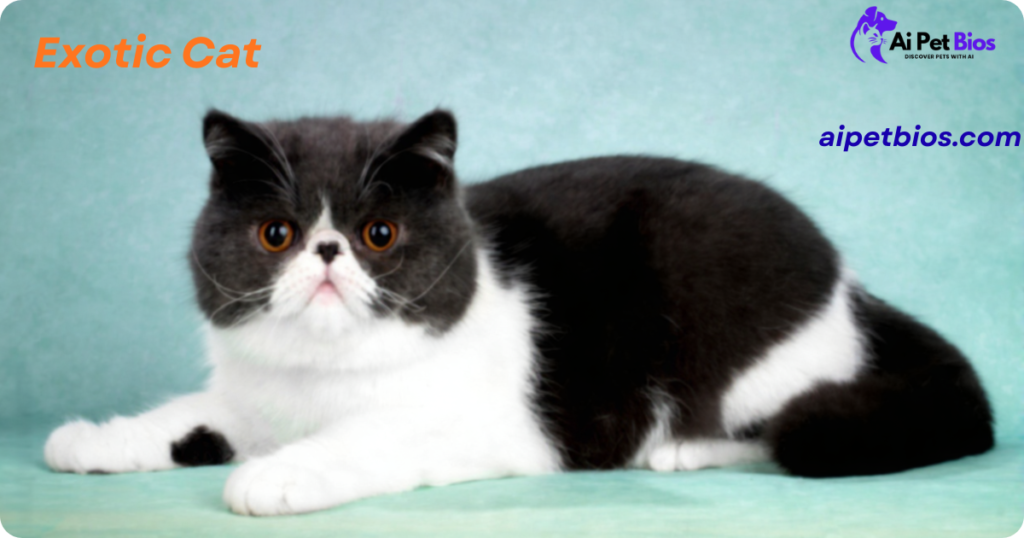
The Exotic Shorthair emerged in the 1960s when American Shorthair breeders wanted to improve coat quality by crossing with Persians. The result was a compact, round-faced cat with a plush coat and calm disposition. Despite the “exotic” name, this is a fully domesticated breed recognized by major cat associations like The International Cat Association (TICA) and the Cat Fanciers’ Association (CFA).
Key characteristics:
- Large round eyes set wide apart
- Flat face with wrinkled muzzle (similar to Persians, but with shorter care requirements)
- Dense, plush double coat in various colors
- Stocky, muscular build
- Sweet, patient temperament ideal for families
2. Wild and Large Exotic Cats: Specialized Ownership
When enthusiasts refer to exotic cats for sale in the wild-hybrid category, they’re discussing breeds like the Caracal, Serval, Savannah, and Bengal. These require specialized knowledge, often illegal permits, and exotic veterinary care. The exotic cat for sale market in this niche commands premium prices and attracts experienced exotic animal handlers.
Top 15 Exotic Cat Breeds: Origins and Characteristics
Domesticated Exotic Cats
1. Exotic Shorthair (Persian Cross)
The quintessential exotic cat Persian hybrid, this breed maintains Persian charm with minimal grooming demands. Bred specifically to reduce the Persian’s grooming burden, the Exotic Shorthair inherited the flat face and calm nature.
- Price: $1,000–$2,500
- Lifespan: 8–15 years
- Personality: Docile, affectionate, enjoys lounging
2. Bengal
A cross between domestic cats and the Asian Leopard Cat, Bengals offer wildcat aesthetics with a trainable temperament. The F1 generation (first cross) is wilder; later generations (F5+) are domestically suitable.
- Price: $1,500–$5,000
- Lifespan: 10–16 years
- Personality: Highly energetic, intelligent, requires significant enrichment
3. Savannah
The tallest domestic cat breed, created by crossing Servals with domestic cats. Early generations (F1-F3) retain wildcat traits; later generations are more family-friendly.
- Price: $2,000–$5,000
- Lifespan: 12–20 years
- Personality: Athletic, loyal, dog-like devotion to owners
4. Occat
Born from crossing Abyssinians, American Shorthairs, and Siamese, Ocelots mirror the wild ocelot’s spotted coat without the untamed nature.
- Price: $800–$1,500
- Lifespan: 10–15 years
- Personality: Active, curious, sociable
5. Serengeti
Developed to resemble African Serval cats, Serengetis combine long ears, spotted coats, and domestic temperaments.
- Price: $600–$1,200
- Lifespan: 10–15 years
- Personality: Playful, affectionate, vocal
Large Exotic Cat Breeds (Wild/Semi-Domestic)
6. Caracal
The exotic cat caracal is a wild medium-sized cat native to Africa, Asia Minor, and Central Asia. Highly skilled hunters with tufted ears and muscular builds, Caracals are sometimes captive-bred for private ownership in regulated jurisdictions.
- Price: $8,000–$20,000
- Lifespan: 10–16 years in captivity
- Legal Status: Banned in most U.S. states; legal in select states with permits
- Personality: Solitary, territorial, requires experienced handlers
7. Serval
Tall, spotted African felines with oversized ears and elongated bodies. Large exotic cat breeds include the Serval, which stands as one of the most sought-after wild cats for legal private ownership.
- Price: $5,000–$15,000
- Lifespan: 10–20 years
- Legal Status: Restricted in many states; legal in others with permits
- Personality: Curious, can be socialized if hand-raised
8. Chausie
A hybrid created by crossing domestic cats with Jungle Cats (a wild Asian species). The Chausie brings wildcat presence with improved domestication compared to earlier generations.
- Price: $1,200–$2,500
- Lifespan: 12–14 years
- Personality: Energetic, dog-like, bonds closely with owners
9. Sokoke
One of Africa’s rare exotic cat breeds, the Sokoke comes from the Sokoke Forest in Kenya. Spotted coat, lean build, and alert temperament define this breed.
- Price: $600–$1,200
- Lifespan: 9–15 years
- Personality: Active, intelligent, good with families
10. Ashera (Savannah-adjacent)
Often marketed as one of the world’s most expensive exotic cat variants, the Ashera is essentially a premium Savannah, sometimes with other genetics mixed in. Highly controversial regarding actual distinctiveness as a breed.
- Price: $12,000–$100,000+ (highly variable)
- Lifespan: 12–20 years
- Personality: Depends on Savannah foundation genes
11. Pixiebob
Bred to resemble a bobcat without wild ancestry, Pixiebobs offer the appearance of rare exotic cat breeds with full domestication.
- Price: $800–$2,000
- Lifespan: 12–15 years
- Personality: Loyal, dog-like, enjoy outdoor space
12. Toyger
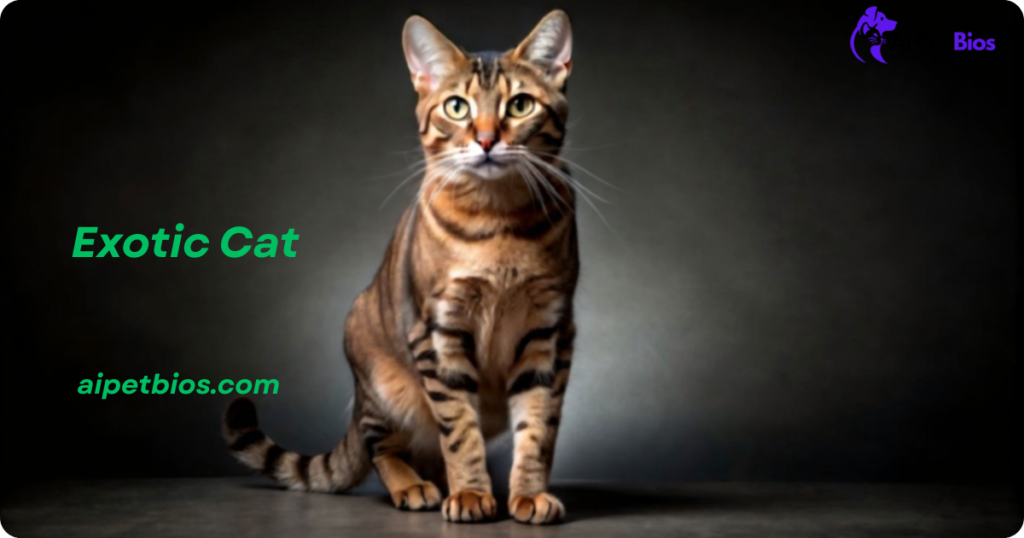
Specifically designed to resemble a miniature tiger, Toygers combine domestic genetics with stunning striped coats and a playful nature.
- Price: $1,500–$3,000
- Lifespan: 12–15 years
- Personality: Affectionate, playful, social
13. Scottish Fold (Exotic Variant)
While not always classified as “exotic,” unusual ear genetics make certain Scottish Folds visually distinctive. Not all carry the fold gene dominantly.
- Price: $800–$2,000
- Lifespan: 11–15 years
- Personality: Sweet, adaptable, calm
14. Sphynx
The hairless Sphynx creates a truly unique aesthetic and falls under exotic cat discussions due to rarity and specialized care.
- Price: $1,500–$3,000
- Lifespan: 8–14 years
- Personality: Affectionate, energetic, requires temperature control
15. Lykoi (“Werewolf Cat”)
A naturally occurring mutation causing sparse hair patterns, the Lykoi is rare and still being developed as a breed standard.
- Price: $1,500–$3,500
- Lifespan: 10–15 years
- Personality: Quiet, friendly, good hunters
What Is an Exotic Cat? Complete Definition
An exotic cat is any feline—domestic or wild—that falls outside common household breeds due to rarity, unique appearance, hybrid genetics, or specialized care needs. This encompasses:
- Domestic hybrid breeds (Bengals, Savannahs, Chausies) with wild ancestry but trainable temperament
- Fully domesticated breeds with distinctive features (Sphynx, Scottish Fold, Toyger) bred for unusual traits
- Wild and semi-wild felines (Caracal, Serval) bred in captivity or kept under regulated conditions
- Asian Leopard Cat crosses (Bengals) or other exotic bloodlines intentionally introduced
The unifying factor is that these cats demand more expertise, specialized veterinary care, higher investment, and often legal compliance compared to standard domestic breeds.
Cost Breakdown: How Much Do Exotic Cats Cost?
Exotic Cat Price Range by Category
Domesticated Exotic Breeds:
- Entry-level (Occat, Sokoke): $600–$1,200
- Mid-range (Exotic Shorthair, Bengal F5+): $1,500–$3,000
- Premium (Bengal F1-F3, Savannah F1-F3): $5,000–$8,000
Wild/Semi-Domestic Exotic Cats:
- Caracal: $8,000–$20,000
- Serval: $5,000–$15,000
- Ashera: $12,000–$100,000+ (highly speculative pricing)
- Chausie (early generation): $2,000–$5,000
Beyond Purchase: Total Ownership Costs
Annual expenses for an exotic cat include:
- Specialized veterinary care: $500–$2,000/year
- Premium diet (often species-specific): $400–$800/year
- Environmental enrichment (large enclosures, climbing structures): $1,000–$5,000 initial + $200/year maintenance
- Permits and legal compliance (if required): $100–$500/year
- Insurance (if available): $200–$600/year
Total first-year investment: $3,000–$30,000+ depending on breed and location.
Personality and Temperament: What to Expect
Domesticated Hybrid Temperament
Exotic Shorthairs are calm, patient lap cats similar to Persians but with fewer behavioral quirks. They enjoy lounging, moderate play, and quiet environments.
Bengals and Savannahs are high-energy, intelligent, and require significant mental and physical stimulation. Many require harness training and outdoor access. They’re loyal but demanding.
Wild Exotic Cat Behavior
Caracals are solitary predators with strong territorial instincts. Even hand-raised individuals retain unpredictability and require experienced handlers familiar with wild feline behavior.
Servals are more curious and trainable than Caracals but retain wild instincts. They form bonds with humans but can be destructive and dangerous if not properly managed.
Care Requirements: Daily and Specialized Needs
Domesticated Exotic Cats
Exotic Shorthairs:
- Grooming: 2–3x weekly brushing to prevent mat formation
- Exercise: Moderate; daily interactive play sessions
- Environment: Apartment-friendly with adequate vertical space

Bengals:
- Grooming: Weekly brushing
- Exercise: 2+ hours daily; access to climbing structures, puzzle feeders
- Environment: Large spaces preferred; harness training recommended
- Diet: High-protein, species-appropriate nutrition
Savannahs:
- Grooming: Weekly brushing
- Exercise: Extensive; access to outdoor space or large enclosure essential
- Environment: Large home with multiple levels; some F1-F3 may require outdoor enclosures
- Socialization: Early and consistent for family compatibility
Wild Exotic Cats (Caracal, Serval)
- Veterinary: Specialized exotic animal vets; regular vaccination schedules differ from domestic cats
- Housing: Large outdoor enclosures (minimum 1,000 sq ft for Caracals)
- Diet: Raw meat-based diets matching wild hunting patterns
- Enrichment: Live prey, hunting simulations, environmental complexity
- Legal: Routine permit renewal and facility inspections
- Socialization: Limited; even hand-raised animals require minimal human contact
Health Considerations: Are Exotic Cats Healthy?
Domesticated Exotic Breed Health
Genetic concerns vary by breed:
- Exotic Shorthairs: Prone to polycystic kidney disease (PKD), respiratory issues due to flat faces, and eye tearing
- Bengals: Generally hardy; hypertrophic cardiomyopathy (HCM) reported in some lines
- Savannahs: Fewer genetic health issues; thrombocytopenia reported in some F1 generations
- Sphynx: Temperature sensitivity; skin infections if not properly bathed; HCM risk
**Responsible breeders provide health screening (PKD ultrasounds, HCM echocardiograms, genetic testing) and health guarantees.
How Long Do Exotic Cats Live?
- Exotic Shorthair: 8–15 years (average: 10 years)
- Bengal: 10–16 years
- Savannah: 12–20 years
- Caracal (captive): 10–16 years
- Serval (captive): 10–20 years
With excellent care, genetics, and diet, many exotic cats exceed average lifespans.
How to Tell If Your Cat Is Exotic: Visual and Behavioral Indicators
If you’ve adopted a cat of unclear origin or suspect it might be an exotic breed, look for:
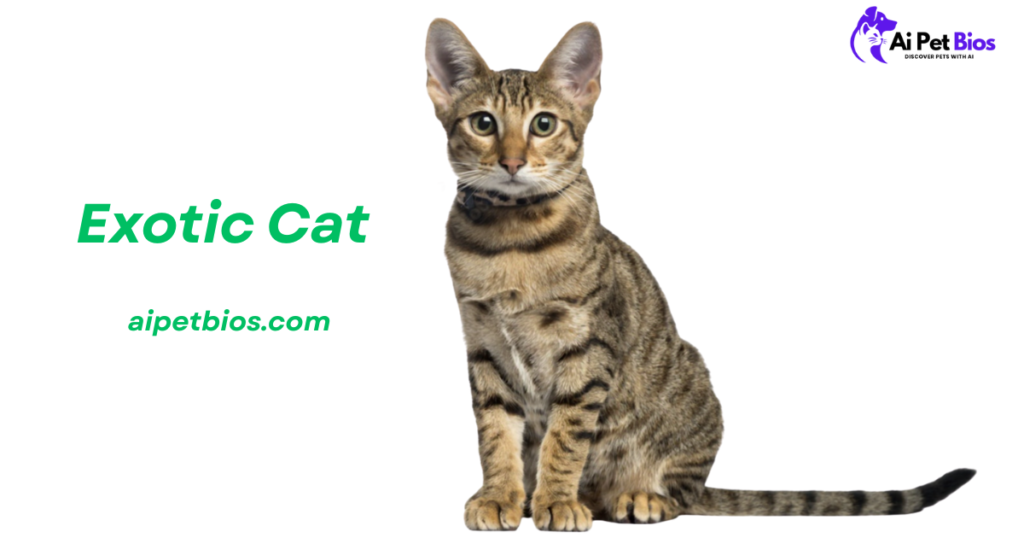
Visual markers:
- Unusual ear size or shape (large, tufted, or angled)
- Spotted or striped coat pattern inconsistent with common breeds
- Disproportionate limb length (longer legs than typical domestics)
- Flattened face (Persian traits) or extremely angular features
- Coat texture distinctly different from standard short or long-haired cats
- Eye shape and color unusual for region
- Exotic cat white, exotic cat black, or rare color combinations
Behavioral indicators:
- High prey drive unusual for typical indoor cats
- Extreme energy levels or intelligence requiring specialized enrichment
- Unusual vocalizations (chattering, chirping, distinctive meows)
- Dog-like loyalty or social structure different from typical cats
Genetic testing (via companies like Wisdom Panel) can confirm suspected exotic genetics.
Comparison: Exotic Cats vs. Standard Domestic Breeds
| Aspect | Standard Domestic Cat | Exotic Cat |
| Price | $50–$500 | $600–$100,000+ |
| Veterinary Needs | Standard domestic vets | Specialized exotic vets |
| Grooming | Minimal (most breeds) | Moderate to extensive |
| Behavioral Challenges | Generally predictable | Varies; some highly demanding |
| Legal Compliance | None (domestic) | Permits, restrictions common |
| Energy Requirements | Varies; mostly moderate | Often high; requires expertise |
| Lifespan | 12–18 years average | 8–20 years (varies by breed) |
| Socialization | Typical cat socialization | Often requires specialized handling |
Pros and Cons of Owning an Exotic Cat
| Pros | Cons |
| Stunning, unique appearance | High purchase cost |
| Conversation starter; unique breed status | Specialized veterinary care required |
| Intelligent, trainable (most breeds) | May face legal restrictions |
| Loyal, often dog-like companions (hybrids) | Lengthy socialization and training needed |
| Longer lifespans (some breeds) | High ongoing expenses |
| Distinct personality traits | Not suitable for casual/first-time owners |
| Difficulty finding experienced breeders | |
| Ethical concerns around wild-hybrid breeding |
Is an Exotic Cat Right for You? Critical Questions
Before pursuing an exotic cat for sale, honestly answer:
- Do you have exotic veterinary access? Identify a vet experienced with your target breed. (Many areas lack this.)
- Can you afford $5,000–$30,000+ first-year expenses? Calculate purchase price, vetting, setup, and annual care realistically.
- Is your living space adequate? Large cats (Caracals, Savannahs) need 500+ sq ft. Small apartments don’t work.
- Are you prepared for a 10–20 year commitment? These cats demand consistency over decades.
- Do you understand local legal restrictions? Many states ban Caracals, Servals, and certain hybrids. Verify legality before pursuing.
- Can you handle unpredictability (wild hybrids)? Even socialized Caracals and Servals retain wild instincts.
- Are you committed to working with reputable breeders? Avoid backyard breeders, mills, and unethical operators.
- Can your family provide necessary enrichment? High-energy breeds like Bengals need 2+ hours of interactive play daily.
If you answered “no” or “uncertain” to more than two questions, a standard domestic cat likely better matches your lifestyle.
Frequently Asked Questions about Exotic Cats
What Is an Exotic Cat?
An exotic cat is any feline—domestic or wild—distinguished by rarity, unusual genetics, hybrid ancestry, or unique physical features. This spans domesticated breeds like Bengals and Savannahs to wild-born Caracals and Servals. The term unifies felines requiring specialized care, expertise, or legal compliance beyond standard domestic breeds.
How Much Do Exotic Cats Usually Cost?
Exotic cat price varies dramatically by breed. Domesticated hybrids like Ocats or Sokokes range $600–$1,500. Mid-tier breeds (Exotic Shorthair, Chausie) cost $1,500–$3,000. Premium hybrids (Bengal F1-F3, Savannah F1) run $5,000–$8,000. Wild-born or first-generation wild hybrids (Caracal, Serval) command $5,000–$20,000+. The marketing “Ashera” claims up to $100,000, though actual breeding transparency varies.
How Long Do Exotic Cats Live?
Lifespan depends on breed, genetics, and care. Most domesticated exotic cat breeds live 10–16 years. Savannahs and Servals (captive-bred) often reach 12–20 years. Exotic Shorthairs average 8–15 years. With premium nutrition, veterinary care, and stress-free environments, many exceed typical averages.
Are Exotic Cats Healthy?
Health depends on breeding ethics and genetics. Domesticated hybrids (Bengals, Savannahs F4+) are generally hardy if sourced from health-tested parents. Exotic cat genetic concerns include polycystic kidney disease in Exotic Shorthairs, hypertrophic cardiomyopathy in some lines, and metabolic challenges in F1-F2 hybrid generations. Wild-caught or first-generation Caracals and Servals face stress-related health issues in captivity.
Why Is It Difficult to Breed Exotic Cats?
Exotic cat breeding challenges include low fertility in first-generation hybrids (F1-F2), behavioral incompatibility between wild and domestic parents, genetic incompatibility causing birth complications, and lengthy socialization needed for non-standard temperaments. Additionally, many countries restrict breeding without permits, and responsible breeders invest heavily in genetic testing to prevent inherited diseases. Wild-hybrid breeding also faces ethical objections and limited reproductive success compared to domestic lines.
How to Tell If Your Cat Is Exotic?
Look for unusual visual traits: oversized ears, rare coat patterns (spots or stripes unusual for common breeds), disproportionate limb length, facial structure distinctly different from standard breeds, or eye shapes/colors atypical for your region. Behaviorally, extreme energy, dog-like loyalty, unusual vocalizations, or high prey drive suggest exotic genetics. Exotic cat DNA tests (Wisdom Panel, Basepaws) confirm suspected hybrid ancestry.
What Is the Rarest Cat Color?
Exotic cat white and unusual dilute colorations are among rarity markers. Solid white cats, especially with heterochromatic (two different-colored) eyes, are prized but associated with deafness in some breeds. Exotic cat black solid blacks exist but are less visually distinctive than spotted or striped patterns. True rarity comes from unusual patterns: rosette spots (Bengal-like markings), silver coloring, or chocolate/seal point combinations in non-traditional breeds.
Is There a 3-3-3 Rule for Cats?
The “3-3-3 rule” applies primarily to rescue adjustment timelines: 3 days to decompress, 3 weeks to settle, 3 months to fully bond. For exotic cat rescues or newly adopted hybrids, this timeline often extends to 6+ months due to trust-building and behavioral complexity. Wild-born Caracals and Servals may never fully trust humans, even with years of socialization.
Exotic Shorthair vs. Standard Domestic Shorthair: What’s the Difference?
The Exotic Shorthair is a distinct breed developed by crossing Persians with American Shorthairs, resulting in a compact, round-faced cat with a dense plush coat and calm temperament. Standard domestic shorthairs are mixed-breed cats without documented pedigree. Exotic Shorthairs have breed standards, health testing, and predictable traits; domestic shorthairs vary widely. Personality-wise, Exotics are calmer; domestics vary. Exotic cat pricing ($1,000–$3,000) far exceeds shelter adoptions ($50–$200).
Conclusion: Making Your Decision About Exotic Cats
The exotic cat landscape spans from the affectionate, apartment-friendly Exotic Shorthair to the formidable, permit-requiring Caracal. There is no one-size-fits-all answer; the right choice depends on your lifestyle, expertise, legal jurisdiction, and financial capacity.
For first-time exotic cat owners: Start with domesticated breeds like Exotic Shorthairs or later-generation Savannahs (F4+). These offer visual distinctiveness and hybrid traits without wild behavioral complications or legal headaches.
For experienced exotic animal handlers: Caracals and Servals present legitimate options in permitting jurisdictions, provided you’ve invested in facility infrastructure, specialized veterinary partnerships, and comprehensive enrichment protocols.
For those still exploring: Contact breed-specific clubs, visit cat shows featuring exotic breeds, and connect with ethical breeders. Ask hard questions about health testing, behavior, and realistic ownership demands. A honest breeder will discourage unsuitable applicants.
Resources for responsible exotic cat ownership:
- The International Cat Association (TICA) – breed standards
- Cat Fanciers’ Association (CFA) – health guidelines
- Breed-specific rescue organizations – adoption alternatives
- Exotic animal veterinarians – specialized medical guidance
Your decision to bring an exotic cat into your home is profound. Approach it with open eyes, realistic expectations, and a commitment to the animal’s wellbeing. When done right, exotic cat ownership is deeply rewarding—a unique bond transcending the standard pet relationship.
⚠️ Disclaimer: This article is for informational purposes only and does not replace professional veterinary advice. Always consult a licensed veterinarian or reputable breeder before making decisions regarding pet care or purchase.
Courtesy: Pets Life
[instant_emoji_reactions]

Want Popular On Google? | Lust Quality Backlinks That Force-fed
I’m an SEO Expert, Guest Posting Specialist, and Web Developer helping websites increase rankings, traffic, and authority using clean, white-hat strategies 🚀
I focus on high-authority guest posts, safe backlinks, SEO-optimized content, and technically sound websites—so your site doesn’t just rank, it stays ranked.
What I help you with:
✅ SEO (On-page, Off-page & Technical)
✅ Guest Posts on Real, Relevant Sites
✅ High-Quality Link Building
✅ Keyword Research & Content Strategy
✅ SEO-Friendly Website Development
📈 No spam. No shortcuts. Only results.
👉 Need backlinks that actually work?
📩 Let’s connect: https://wa.me/+923006932631
1 thought on “🐆 Exotic Cat: The Complete Guide to 15 Stunning Breeds & What You Need to Know Before Buying”
Comments are closed.