
Introduction
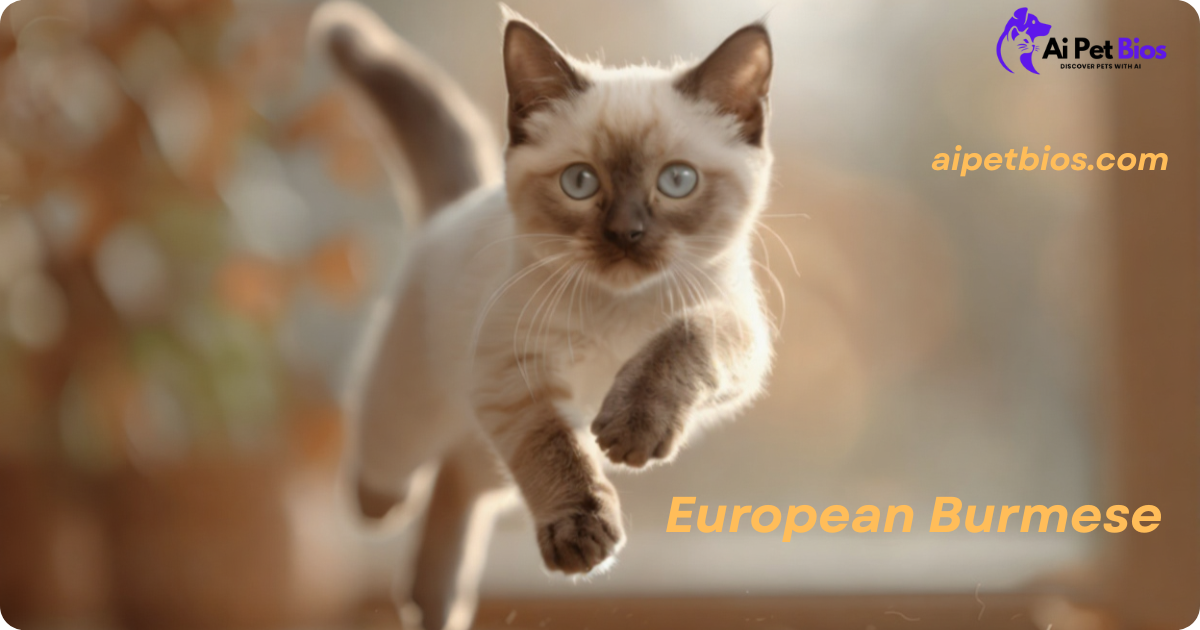
The European Burmese cat is a captivating breed that combines elegance, affection, and intelligence, making it a popular choice for cat lovers across the United States. Originating from ancient roots in Southeast Asia, this breed has evolved into a beloved companion known for its silky coat and golden eyes. If you’re searching for European Burmese kittens for sale or curious about the European Burmese personality, this guide covers everything from origins to care needs.
Whether you’re a first-time cat owner or an experienced pet parent, understanding the European Burmese cat can help you decide if this breed fits your lifestyle. With its buyer-focused appeal, we’ll explore key aspects like the European Burmese cat price, lifespan, and colors to assist your decision-making. As a veterinary-informed resource, this article draws on insights from U.S. cat registries and breeders to provide trustworthy information for American audiences.
What Is a European Burmese Cat?
The European Burmese cat is an elegant, medium-sized breed prized for its sociable nature and striking appearance. It’s a variant of the Burmese cat that developed distinct traits through selective breeding in Europe, emphasizing a more slender build and varied coat colors. In the USA, the European Burmese cat has gained popularity among cat enthusiasts who appreciate its unique blend of Siamese-like grace and affectionate demeanor.
Origin and Breed Development
The European Burmese cat traces its roots to Wong Mau, a walnut-brown cat imported from Burma (now Myanmar) to San Francisco in 1930 by Dr. Joseph Thompson. This foundational cat was bred with Siamese cats, leading to the establishment of the Burmese breed. However, in the post-World War II era, British breeders diverged by introducing more Siamese bloodlines to refine the breed’s features, creating what we now know as the European Burmese cat.
In the 1950s and 1960s, European breeders focused on enhancing color variations and a sleeker silhouette, resulting in a cat that differed from the more compact American Burmese. By the 1970s, the breed was exported to the United States, where it appealed to breeders seeking diversity in Burmese lines.
Today, the European Burmese cat is cherished in American homes for its exotic heritage and adaptable personality. Breed development emphasized health and temperament, with organizations like the Burmese Cat Club in the UK influencing standards that crossed the Atlantic.
Recognition came gradually in the USA, with early imports establishing breeding programs in states like California and New York. Ethical breeding practices have preserved the breed’s integrity, ensuring that modern European Burmese cats retain their ancient charm while meeting contemporary health standards.
Recognition in U.S. Registries
In the United States, the European Burmese cat is recognized by major cat associations, including the Cat Fanciers’ Association (CFA) and The International Cat Association (TICA). The CFA categorizes it under the Burmese breed but allows for European-style traits in competitions, while TICA fully embraces the European division, enabling these cats to compete in shows across the country.
This recognition has boosted the breed’s visibility at events like the CFA International Cat Show or TICA’s regional championships. For U.S. buyers, this means access to pedigreed European Burmese kittens for sale from registered breeders who adhere to strict guidelines. Registries emphasize genetic diversity to prevent health issues, making the European Burmese cat a reliable choice for American families.
How It Differs from American Burmese
While both share a common ancestry, the European Burmese cat features a more triangular head, almond-shaped eyes, and a longer, leaner body compared to the rounder, more muscular American Burmese. These differences arose from breeding preferences: Europeans favored a refined look, while Americans prioritized a sturdy build.
In terms of size, the European Burmese cat tends to be slightly taller and more agile, appealing to owners who enjoy an active pet. Coat textures also vary subtly, with Europeans often having a finer, silkier feel. For USA cat lovers, understanding these nuances helps in selecting between the two, especially when browsing European Burmese breeders.

European Burmese vs American Burmese
When comparing the European Burmese cat to its American counterpart, key distinctions emerge in appearance, coat, temperament, and suitability for families. Both breeds are affectionate and people-oriented, but their breeding histories have shaped unique characteristics that U.S. buyers should consider.
Physical Differences
The European Burmese cat boasts a wedge-shaped head with a pronounced muzzle, slanted eyes, and medium-sized ears that tilt forward. In contrast, the American Burmese has a broader, rounded skull with large, expressive eyes and a shorter nose. Body-wise, the European version is more elongated and athletic, often described as “elegant” by breeders, while the American is compact and powerful, resembling a “brick wrapped in silk.”
These physical traits make the European Burmese cat appear more graceful in movement, which can be appealing for show rings or active households. Weight differences are minimal, but the European’s build allows for greater agility, influencing play styles.
Coat & Color Differences
One of the most notable differences is in color variety. The European Burmese cat offers a broader palette, including solids like brown, blue, chocolate, lilac, red, cream, and tortoiseshell patterns. American Burmese are restricted to four colors: sable (brown), champagne, blue, and platinum, with a more uniform shading.
The European Burmese cat’s coat is short, fine, and glossy, lying close to the body with minimal undercoat, reducing shedding. This makes it easier to maintain in humid U.S. climates. Breed standards in registries like TICA highlight these variations, allowing judges to appreciate the European’s diverse hues.
Temperament Comparison
Both breeds are known for their “velcro cat” tendencies, but the European Burmese personality leans toward being more vocal and inquisitive, often engaging in conversations with soft meows. American Burmese are equally loving but tend to be more laid-back and less demanding of attention.
In American homes, the European Burmese cat’s playful energy suits busy families, while the American’s relaxed vibe fits quieter environments. Both excel in bonding, but the European’s Siamese influence adds a layer of curiosity.
Which Is Better for Families?
For U.S. families with children or other pets, the European Burmese cat often edges out due to its tolerant and adaptable nature. It’s energetic enough for play but gentle with kids. The American Burmese is also family-friendly but may prefer a calmer setting. Ultimately, the choice depends on lifestyle—active households in cities like Los Angeles or Chicago might favor the European Burmese cat for its versatility.
If you’re debating between the two, visiting breeders or cat shows in your state can provide hands-on experience. Many U.S. experts recommend the European Burmese for first-time owners due to its forgiving temperament.
European Burmese Personality & Temperament
The European Burmese personality is one of its standout features—outgoing, intelligent, and deeply bonded to their owners. These cats crave companionship and thrive in interactive environments, making them ideal for American apartments or suburban homes.
Are European Burmese Cats Affectionate?
Absolutely, the European Burmese cat is renowned for its affection. They often follow owners room to room, seeking cuddles and lap time. This breed forms strong emotional bonds, sometimes displaying “separation anxiety” if left alone too long. In U.S. surveys by cat associations, owners report high satisfaction with their European Burmese cat’s loving nature.
Their affection extends to greeting visitors warmly, unlike more aloof breeds. This makes the European Burmese cat a great choice for social households.
Do European Burmese Cats Talk a Lot?
Yes, the European Burmese cat is vocal, using a range of soft chirps, trills, and meows to communicate. Influenced by Siamese ancestry, they’re not as loud but will “chat” about their day or needs. This trait endears them to owners who enjoy interactive pets.
In quiet American homes, this vocalization adds personality without overwhelming noise. Training can help modulate it if needed.
Are They Good With Children and Dogs?
The European Burmese cat excels with children and dogs, thanks to its patient and playful disposition. They tolerate gentle handling and often initiate play with other pets. Early socialization is key, as recommended by U.S. veterinarians.
For families in pet-friendly states like Texas or Florida, this breed integrates seamlessly into multi-pet environments.
Energy Level & Playfulness
With moderate to high energy, the European Burmese cat remains playful throughout life. They enjoy interactive toys like feather wands or laser pointers, providing mental stimulation. Daily play sessions prevent boredom-related behaviors.
In urban U.S. settings, their energy level suits indoor living, making them perfect for apartment dwellers.

European Burmese Colors & Appearance
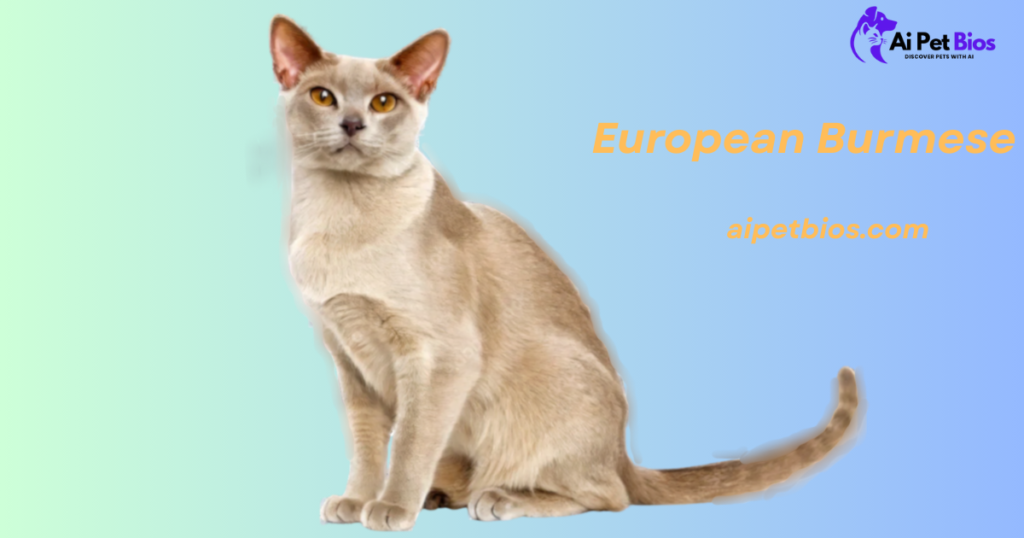
The European Burmese cat’s appearance is mesmerizing, with a short, glossy coat that’s soft to the touch. Eye color typically ranges from brilliant gold to amber, enhancing their expressive faces. The body structure is muscular yet elegant, with breed standards emphasizing balanced proportions.
Coat Texture
The coat of the European Burmese cat is fine and satin-like, requiring minimal grooming. It’s close-lying, with a subtle sheen that highlights their colors. This texture reduces allergens slightly, though they’re not hypoallergenic.
Eye Color
Golden or amber eyes are a hallmark, giving the European Burmese cat a wise, engaging gaze. Variations can occur, but standards favor warm tones.
Body Structure
Medium in length, the European Burmese cat has a hard-muscled body with a rounded chest and straight back. Legs are slender, paws oval, and the tail tapers to a point.
Breed Standard Highlights
TICA and CFA standards for the European Burmese cat include a gently rounded top head, full cheeks, and a medium wedge shape. Faults like excessive elongation are avoided to maintain health.
Brown European Burmese
The brown (sable) European Burmese cat features a rich, warm brown coat with darker points on the ears, face, legs, and tail. It’s the most traditional color, evoking the breed’s Asian origins.
Champagne Burmese Cat
Champagne offers a soft beige with warm undertones, creating an elegant, understated look. Popular among U.S. breeders, it’s versatile for shows.
Platinum Burmese Cat
Platinum is a pale gray with fawn hints, providing a cool sophistication. Less common, it’s prized for its rarity.
Grey Variations
Grey (blue) European Burmese cats display medium gray with subtle brown tones. Tortoiseshell variations add mottled patterns of red, cream, and black, appealing to those seeking uniqueness.
Other colors like chocolate (warm brown), lilac (frosty gray), red, and cream expand options, with patterns like tortie adding diversity.
European Burmese Size & Weight
The European Burmese cat is compact yet sturdy, with a muscular frame that feels substantial.
Average Adult Weight
Typically 8–12 lbs, males often reach 10-12 lbs, females 8-10 lbs. This weight supports their active lifestyle without obesity risks if diet is managed.
Muscular Body Type
Solid and athletic, the European Burmese cat’s muscles are well-developed, aiding in jumps and play.
Compact Build
Medium length with a broad chest, their build is balanced for agility and comfort in U.S. homes.
European Burmese Lifespan & Health Issues
The European Burmese lifespan averages 12–16 years, with proper care extending to 18+. Health is a priority for U.S. breeders.
Average Lifespan
12–16 years is standard, influenced by genetics and lifestyle. Annual vet visits in the USA can maximize this.
Common Health Concerns
Potential issues include hypokalemia (potassium deficiency), flat-chested kitten syndrome, and orofacial pain syndrome. Genetic testing mitigates these.
Other concerns like diabetes or heart disease are rare but monitored. U.S. vets recommend screening for Burmese-specific conditions.
Importance of Ethical Breeders
Reputable European Burmese breeders in the USA perform health tests, providing guarantees. Avoid backyard breeders to ensure longevity.
Preventative Vet Care
Routine vaccinations, dental cleanings, and parasite control are essential. Spaying/neutering promotes health.
Expanding on health, regular bloodwork detects issues early. Diet plays a role—high-quality food prevents urinary tract problems common in cats.

Are European Burmese Cats Hypoallergenic?
No, the European Burmese cat is not hypoallergenic, as they produce Fel d 1 protein, the primary cat allergen.
Explanation of Allergens
Fel d 1 is in saliva, skin, and urine, spread via grooming. Short hair reduces dander but doesn’t eliminate it.
Reality vs Myth
Myths suggest short-haired breeds are hypoallergenic, but science shows otherwise. The European Burmese cat sheds minimally, helping some.
Best Practices for Allergy Sufferers
Use HEPA filters, frequent vacuuming, and grooming wipes. Consult allergists for immunotherapy.
For U.S. owners, over-the-counter meds like antihistamines can manage symptoms.
Are European Burmese Cats Rare in the USA?
Yes, the European Burmese cat is somewhat rare due to limited breeding programs.
Limited Breeder Network
Fewer dedicated European Burmese breeders compared to American ones, concentrated in coastal states.
Smaller Breeding Population
Many lines are imported, maintaining purity but limiting numbers.
Import Lines
European imports bolster U.S. stock, but regulations add complexity.
Impact on Pricing
Rarity increases the European Burmese cat price, reflecting demand.
European Burmese Cat Price in the USA
The European Burmese cat price varies by factors like quality and location.
How Much Is a European Burmese Cat?
Pet quality: $1,200–$2,000; show quality: $2,000–$3,500+. Prices include health checks.
What Affects Price
Pedigree, color rarity, breeder reputation, and region—higher in cities like New York.
Deposit Expectations
$300–$500 secures a kitten from waitlists.
Additional costs: Shipping if out-of-state, initial vet visits.
European Burmese Kittens for Sale in the USA
Finding European Burmese kittens for sale requires diligence.
How to Find Reputable European Burmese Breeders
Search CFA/TICA directories for registered European Burmese breeders. Attend cat shows for networking.
Questions to Ask a Breeder
Inquire about health testing, socialization, pedigree, and return policies.
Red Flags When Buying Online
Low prices, no health docs, or unwillingness to video call signal scams.
Adoption Options
Rescues like Purebred Cat Rescue occasionally have European Burmese. Fees: $150–$300.
Expanding, online platforms like CFA’s breeder referral can connect you. Always visit in person.
Grooming & Care Requirements
European Burmese care is low-maintenance but essential.
Coat Care
Weekly brushing with a soft brush keeps the coat shiny. Baths every few months if needed.
Diet Needs
High-protein, grain-free food suits their metabolism. Portion control prevents weight gain.
Activity Requirements
30–60 minutes daily play; scratching posts and toys essential.
Indoor Living Suitability
Perfectly suited for indoor life in U.S. apartments; enrich with perches.
Additional care: Nail trims bi-weekly, ear cleaning monthly. Dental health via treats or brushing.
Is the European Burmese Cat Right for You?
Assess if the European Burmese cat matches your lifestyle.
Ideal Owner Profile
Affectionate, available owners who enjoy interactive pets.
Apartment Compatibility
Yes, with vertical space and stimulation.
Work-from-Home Suitability
Thrives with company; puzzle feeders for alone time.
First-Time Pet Owner Fit
Beginner-friendly with straightforward needs.
For seniors, their low-maintenance appeals; for allergies, test first.
Training and Socialization Tips
European Burmese cats are trainable—use clickers for tricks. Socialize early for confidence.
Famous European Burmese Cats
While not celebrity-famous, some have starred in ads or won national shows, highlighting the breed.
Comparison to Other Breeds
Vs. Siamese: Less vocal. Vs. Tonkinese: Similar but more colors in European Burmese.
Breeding and Ethics in the USA
Support ethical European Burmese breeders who prioritize health over profit.
Daily Life with a European Burmese Cat
Expect mornings with cuddles, evenings of play. They adapt to routines seamlessly.
Potential Challenges
Vocal demands or energy might overwhelm some; solutions include toys.
Long-Term Commitment
With a 12–16 year lifespan, plan for senior care like joint supplements.
Community and Resources
Join U.S. forums like the Burmese Cat Association for tips.
For more on cat breeds, check our guides on American Burmese or Siamese Cats.
FAQ SECTION ❓
How much is a European Burmese cat?
European Burmese cat prices range from $1,200–$2,000 for pet quality and $2,000–$3,500+ for show quality. Factors like breeder reputation and color influence costs; expect a deposit of $300–$500.
What is the difference between American and European Burmese cats?
The European Burmese has a slender build, wedge-shaped head, and more color varieties, while the American is stockier with rounded features. Temperaments are similar, but Europeans may be more vocal.
Are European Burmese cats hypoallergenic?
No, they produce Fel d 1 allergen like other cats. While low-shedding, they’re not hypoallergenic; manage allergies with grooming and air filters.
Are European Burmese cats rare?
Yes, they’re rarer in the USA due to limited breeders and import reliance, impacting availability and pricing compared to American Burmese.
How long do European Burmese cats live?
European Burmese cats typically live 12–16 years, with some reaching 18. Regular vet care and a healthy diet promote longevity.
Do European Burmese cats make good family pets?
Absolutely, their affectionate, playful nature makes them great with kids and dogs. They’re adaptable and thrive in family settings with attention.
In conclusion, the European Burmese cat offers a perfect blend of personality, beauty, and companionship for USA buyers. If you’re drawn to their affectionate traits and elegant colors, research reputable European Burmese breeders or adoption options responsibly. With proper care, this breed can bring years of joy—consult a vet to start your journey today.
⚠️ Disclaimer: This article is for informational purposes only and does not replace professional veterinary advice. Always consult a licensed veterinarian or reputable breeder before making decisions regarding pet care or purchase.
Courtesy: Cats Wiz (Youtube)
[instant_emoji_reactions]

Want Popular On Google? | Lust Quality Backlinks That Force-fed
I’m an SEO Expert, Guest Posting Specialist, and Web Developer helping websites increase rankings, traffic, and authority using clean, white-hat strategies 🚀
I focus on high-authority guest posts, safe backlinks, SEO-optimized content, and technically sound websites—so your site doesn’t just rank, it stays ranked.
What I help you with:
✅ SEO (On-page, Off-page & Technical)
✅ Guest Posts on Real, Relevant Sites
✅ High-Quality Link Building
✅ Keyword Research & Content Strategy
✅ SEO-Friendly Website Development
📈 No spam. No shortcuts. Only results.
👉 Need backlinks that actually work?
📩 Let’s connect: https://wa.me/+923006932631
1 thought on “European Burmese Cat: Complete USA Breed Guide 2026”
Comments are closed.