
Introduction
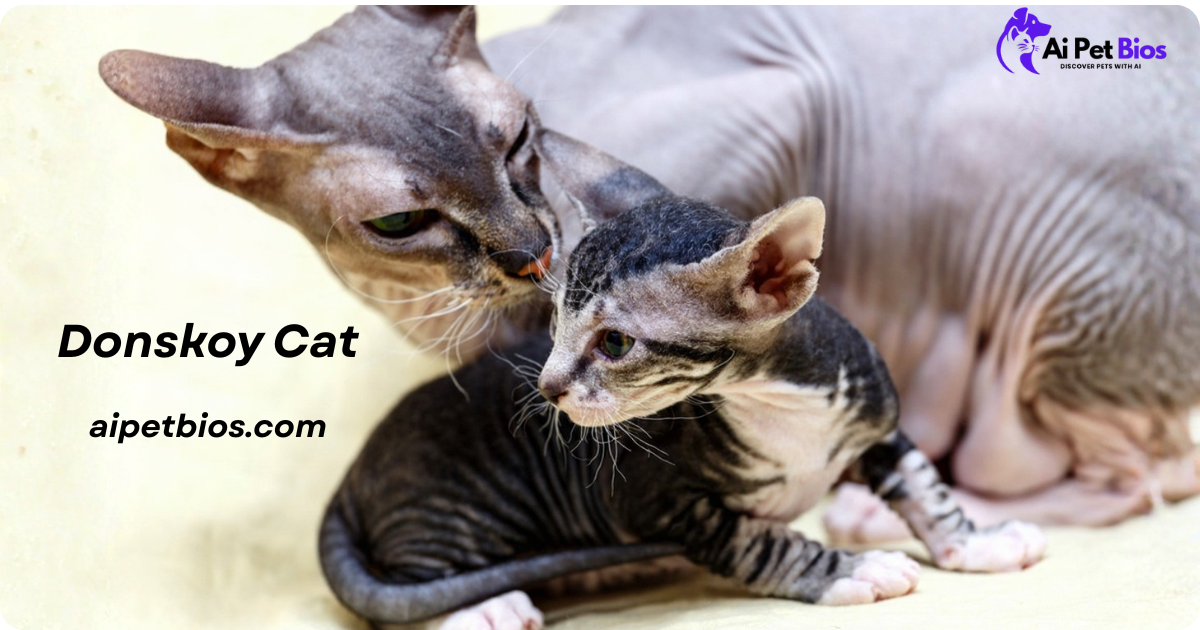
The Donskoy cat is one of the most striking cat breeds worldwide. With distinctive hairless bodies, wrinkled skin, and intensely affectionate personalities, these exotic felines have captivated discerning pet enthusiasts globally.
Originating in Russia during the 1980s, this rare breed stands apart from other hairless varieties due to unique genetic traits, extreme temperature sensitivity, and specialized care requirements.
Whether exploring purchase options, curious about kitten development, or comparing this breed to similar varieties, this expert guide covers everything prospective owners need to know about this extraordinary companion.
Quick Facts Table (Snippet Optimized)
| Characteristic | Details |
| Origin | Russia (1980s) |
| Size | Medium (6–12 lbs) |
| Lifespan | 12–15 years |
| Coat Type | Hairless, velour, or suede varieties |
| Temperature Sensitivity | High; requires warm environment |
| Grooming Needs | High (skin care required) |
| Energy Level | Very high; playful and athletic |
| Suitability | Experienced owners; indoor-only |
| Price Range | $1,000–$3,000+ |
| Best Home Type | Active households with temperature control |
Donskoy Cat Breed Overview
What Makes the Donskoy Cat Unique?
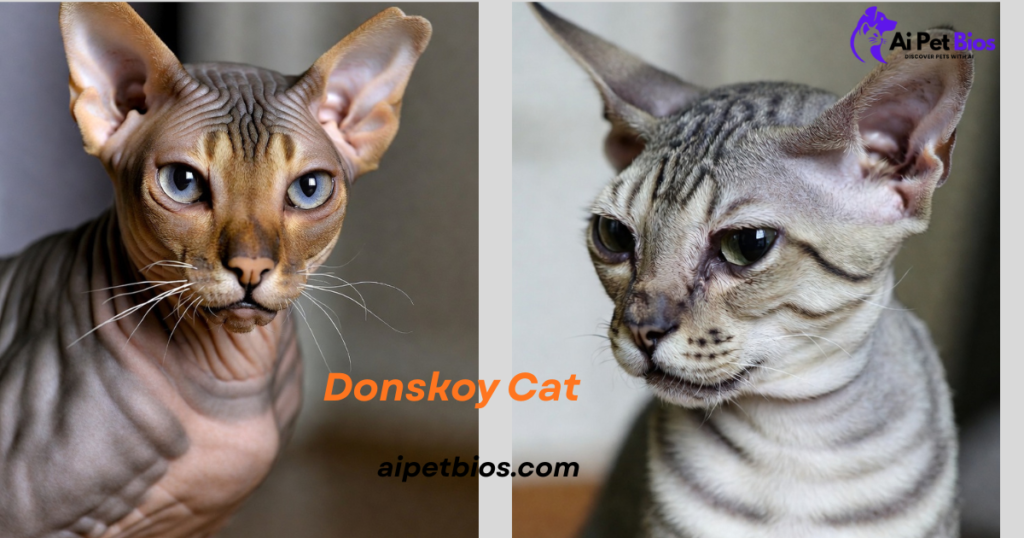
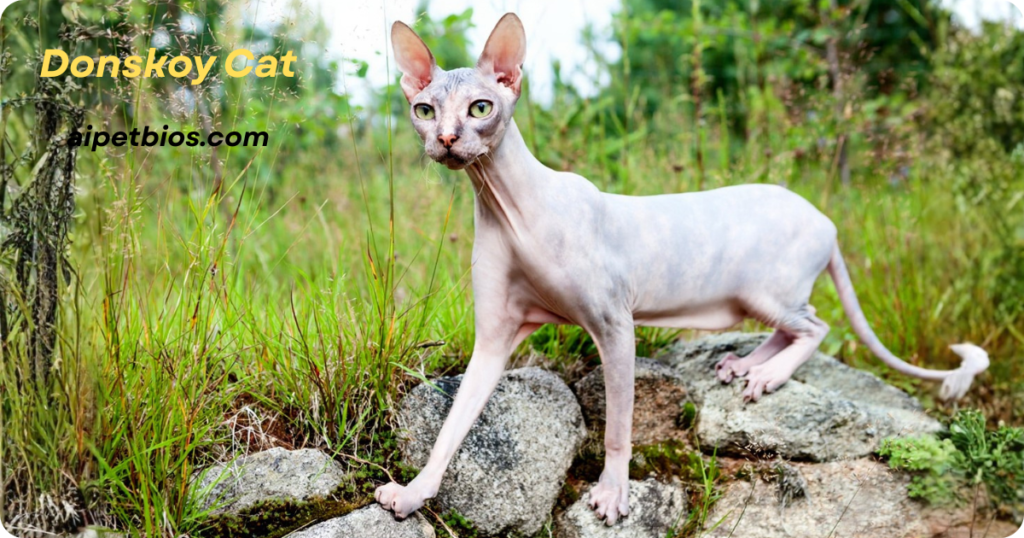
The Donskoy cat breed is defined by a rare genetic mutation creating hairlessness. Unlike the Sphynx, which has a different genetic mutation, the Donskoy represents a distinct genetic pathway.
The breed emerged in 1987 in Rostov-on-Don, Russia, when a stray cat produced hairless kittens—a trait breeders deliberately developed.
Donskoy cat temperament is extraordinarily affectionate and dog-like in devotion. They crave constant interaction, follow humans room-to-room, and demand physical closeness.
The breed displays distinct coat variations from completely hairless to velour-textured. Combined with extreme temperature sensitivity and special grooming, Donskoy cats require experienced, dedicated owners.
Donskoy Kitten Guide (Temperament, Growth & Care)
What to Expect When Raising a Donskoy Kitten
Donskoy kitten development involves rapid growth paired with intense personality. Young Donskoys are energetic, curious, and relentlessly social.
They climb, explore, demand attention, and bond closely almost immediately. Expect frequent vocalization as they communicate needs.
Growth is swift—kittens reach half-adult weight by four months and full maturity by twelve months. Temperature sensitivity manifests early, requiring home temperatures above 70°F, heated beds, and sweaters for outdoor ventures.
Weekly warm baths using cat-specific shampoo prevent oil buildup and maintain skin health. Ear cleaning twice weekly prevents debris accumulation. Feed Donskoy kittens three meals daily until six months, then transition to two meals. High-protein, quality diets support their accelerated metabolism.
Socialization Tips for Best Behavior
Early socialization (2–14 weeks) determines adult adjustment. Expose young Donskoy kittens to diverse people, environments, and animals. Kittens bond with one primary human but should be comfortable with multiple family members.
Donskoy kittens do better with older children (8+) who understand gentle handling. Multi-pet households work well when kittens are introduced early.
Positive reinforcement training yields excellent results with these intelligent, motivated cats. Many Donskoys successfully learn commands, harness walking, and interactive games.
Donskoy Cat Personality (Behavior, Energy & Bonding)
Are Donskoy Cats Friendly With Kids and Pets?
Donskoy cat personality centers on remarkable affection and high energy. These cats are unwaveringly loyal, often described as “velcro cats” for constant desire for proximity. They greet enthusiastically and express distress when separated.
Donskoys are excellent with older children who understand gentle handling. Their medium size and energy make them engaging playmates. Very young children who grab or handle roughly can cause stress.
With other cats, Donskoys are typically friendly and playful. With dogs, most adapt well depending on the dog’s prey drive and temperament. Small, gentle dogs are ideal companions.
Do Donskoy Cats Get Lonely?
Solitude is genuinely problematic for Donskoy cats. Unlike independent breeds that tolerate alone time, Donskoys experience distress when separated from humans for extended periods. Extended solitude (8+ hours regularly) leads to behavioral problems including destructive behavior and stress-related health issues.
Donskoy cats thrive in households where at least one family member works from home or provides regular mid-day visits. If extended absences are unavoidable, pet sitters or daycare services become essential. Owners must commit to daily, substantial interaction—cats unsuitable for those with extended work absences.
Donskoy vs Sphynx (Key Differences Explained)
What Is the Difference Between a Donskoy Cat and a Sphynx Cat?
Donskoy vs sphynx comparisons frequently occur because both breeds display the distinctive hairless phenotype. However, Donskoy sphynx cats are genetically distinct, originating from different mutations and regions. Understanding these differences is crucial for potential owners.
| Characteristic | Donskoy | Sphynx |
| Origin | Russia (1980s) | Canada (1960s) |
| Genetic Mutation | Dominant trait | Recessive trait |
| Skin Texture | Wrinkled, velvety | Suede-like, elastic |
| Coat Variations | Hairless, velour, suede, straight-coated | Primarily hairless with light fuzz |
| Temperature Sensitivity | Extremely high | High |
| Grooming | Extensive (weekly baths) | Moderate-to-high |
| Personality | Intensely loyal, clingy | Affectionate but independent |
| Lifespan | 12–15 years | 8–15 years |
| Price Range | $1,000–$3,000 | $1,200–$3,000 |
| Health Issues | Heart problems, skin sensitivities | Cardiac issues, ear infections |
The key donskoy vs sphynx distinction is that the Donskoy mutation is dominant, while the Sphynx is recessive. This affects breeding possibilities and genetic health implications. Donskoy sphynx hybrids are occasionally bred, creating unpredictable phenotypes and temperaments.
Donskoy Cat Types and Coat Variations
Can Donskoy Cats Have Fur?
Yes! not all Donskoy with hair are breeding mistakes. Donskoy cat types include natural genetic expression variations:
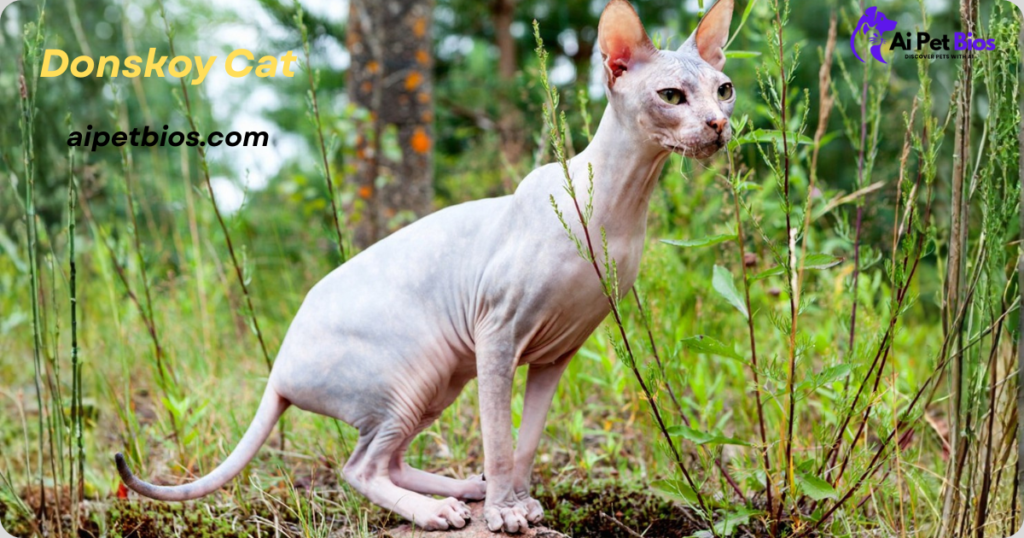
Hairless: Completely or nearly hairless with wrinkled, velvety skin.
Velour Donskoy: Fine, peach-fuzz coat giving soft texture. Donskoy cat velour appears fuzzy but feels smooth.
Suede: Slightly longer fine hair creating suede texture. Donskoy with fur appears less hairless but retains characteristic features.
Straight-Coated: Donskoy cat with fur appearing nearly normal while displaying characteristic facial features. These represent legitimate genetic variation, though sometimes fall outside breed standards.
Donskoy Cat Colors (Common Shades & Patterns)
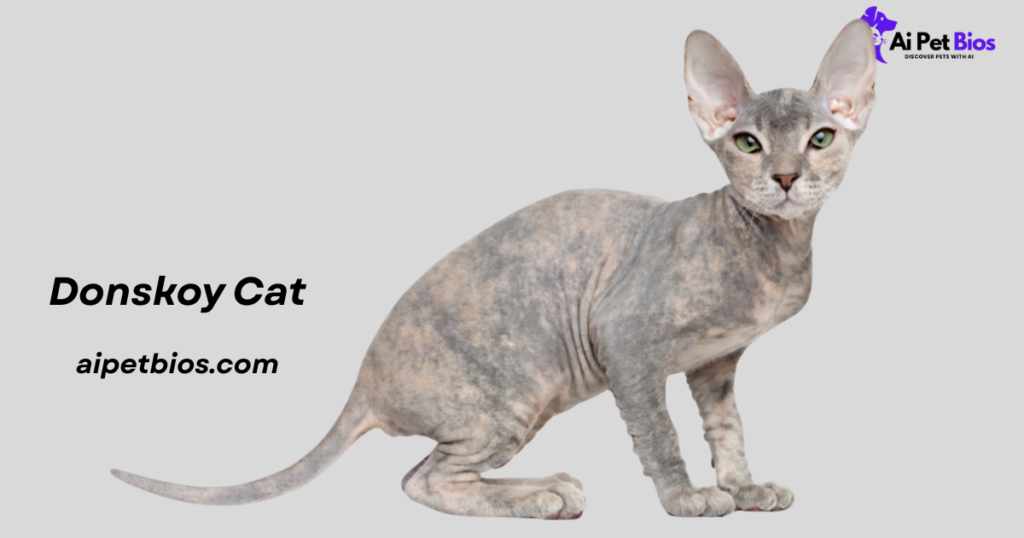
Donskoy cat colors encompass virtually all traditional feline colorations. Because these cats lack thick fur, color becomes skin tone. Common Donskoy cat colors include solid colors (black, white, blue, red, cream) displaying prominent wrinkles that enhance depth. Tabby patterns appear as stripe or spot patterns on skin itself.
Bicolor and tricolor patterns appear frequently with distinctive white markings.
Skin tone can vary based on genetics, age, and sun exposure. Young kittens often appear lighter, gradually developing deeper tones. UV exposure can darken skin, requiring sun protection despite their appearance.
Donskoy Cat Lifespan and Health Concerns
Donskoy Cat Lifespan
Donskoy cat lifespan typically ranges 12–15 years with optimal care, though some individuals live into their late teens. This relatively moderate lifespan reflects the breed’s genetic newness and specific health vulnerabilities. Hybrid vigor from careful outcrossing in early breeding expanded lifespan compared to early generations.
Factors supporting longer Donskoy cat lifespan include proper temperature control, high-quality nutrition, regular veterinary care, and appropriate exercise. Cats maintained at optimal weight with consistent enrichment and dental care show greater longevity than those with suboptimal care.
Do Donskoy Cats Have Health Problems?
Donskoy cats are generally healthy but display breed-specific health concerns requiring owner awareness. This information is purely educational and not diagnostic.
Heart conditions: Hypertrophic cardiomyopathy (HCM) and other cardiac issues occur at elevated rates. Regular veterinary cardiac screening (echocardiogram) is recommended during adulthood.
Skin sensitivities: Hairlessness creates vulnerability to sun damage, temperature extremes, and contact irritants. Owners must provide sun protection during outdoor exposure and maintain appropriate indoor temperatures.
Dental issues: Donskoys experience accelerated dental disease compared to furred breeds. Regular brushing and professional cleaning support long-term dental health.
Cold sensitivity: Extreme temperature sensitivity can trigger respiratory issues if cats are exposed to cold conditions. Maintaining appropriate indoor temperatures (72°F+) is essential.
Responsible breeders conduct genetic testing for cardiac conditions and genetic diversity assessment. Potential owners should request health screening documentation before purchase.
Donskoy Cat Price in the USA (Realistic Cost Breakdown)
How Much Does a Donskoy Cat Cost?
Donskoy cat price ranges significantly based on breeder reputation, bloodline, generation, and individual traits. In the USA market:
Ethical breeders: $1,500–$3,000+ for well-bred kittens with health screening documentation and breed pedigree
Questionable sources: $500–$1,000 (concerning flags regarding breeding practices and health screening)
Show/champion bloodlines: $3,000–$5,000+ for exceptional specimens
The Donskoy cat price reflects genuine breeding costs: genetic health screening, temperature-controlled breeding facilities, specialized veterinary care, and early socialization investment. Below-market pricing suggests problematic breeding conditions.
| Cost Category | One-Time | Monthly/Annual |
| Kitten Purchase | $1,500–$3,000 | — |
| Initial Vet Exam & Vaccines | $300–$500 | — |
| Spay/Neuter | $300–$600 | — |
| Heating Supplies (beds, pads) | $200–$400 | — |
| Premium Cat Food | — | $50–$100/month |
| Skin Care Products (shampoo, lotions) | — | $30–$60/month |
| Heating/Temperature Control | — | $20–$50/month |
| Annual Vet Care | — | $300–$600/year |
| Pet Insurance | — | $50–$150/month |
| TOTAL FIRST YEAR | $2,300–$4,500 | + $1,200–$2,400 |
Donskoy Cat for Sale (How to Buy Safely in the USA)
How to Find Ethical Sellers (Red Flags Checklist)
Donskoy cat for sale options vary dramatically in ethical quality. Identifying legitimate breeders prevents supporting problematic breeding practices and acquiring unhealthy kittens.
Legitimate sources:
✅ Registered breed associations (TICA, The International Cat Association)
✅ Breeder websites with transparent health testing documentation
✅ Veterinary references available for verification
✅ Facility visits permitted and encouraged
✅ Health guarantees offered with contract terms
Red flags—avoid these:
🚩 Donskoy cat for sale near me appearing on classified sites (Craigslist, Facebook Marketplace)
🚩 Multiple litters available simultaneously
🚩 Unwillingness to show breeding facilities
🚩 Pressure to purchase quickly without verification
🚩 No health testing or genetic screening documentation
🚩 Prices significantly below market ($500–$800)
🚩 Vague or evasive answers about breeding practices
🚩 No contract or health guarantee offered
🚩 Inability or unwillingness to provide references
Questions to Ask Before Buying
When contacting breeders about Donskoy cat for sale, prepare these critical questions:
- “Can you provide veterinary references and contact information from previous buyers?”
- “What health testing have breeding cats undergone? Can you share results?”
- “When can I visit your facility to meet parent cats?”
- “What health guarantee do you offer? What conditions are covered?”
- “What is your return policy if health or behavioral issues emerge?”
- “How do you socialize kittens? What early exposure do they receive?”
- “Will you remain available for support throughout my cat’s life?”
- “Can you explain the genetic basis of the hairless trait in your breeding line?”
Donskoy Breeder Guide (How to Choose the Right One)
What a Responsible Donskoy Breeder Should Provide
Ethical Donskoy breeder operations demonstrate specific standards that distinguish them from casual breeding or kitten mills.
Health screening: Responsible Donskoy breeder programs conduct genetic testing for HCM (heart disease), genetic diversity analysis, and infectious disease screening (FeLV, FIV). Documentation of these tests should be readily available.
Breeding transparency: Legitimate Donskoy breeder operations explain their breeding decisions, including which cats they bred together and why. Genetic diversity preservation guides responsible breeding, preventing inbreeding and its associated health risks.
Socialization: Quality Donskoy breeder programs invest substantial time in early kitten socialization, ensuring kittens experience varied environments, handling, and gentle human interaction before going home.
Facility conditions: Responsible Donskoy breeder homes maintain appropriate temperature control, clean conditions, enrichment opportunities, and dedicated space for pregnant females and nursing litters.
Lifetime support: Ethical Donskoy breeder relationships extend beyond the purchase. Breeders should remain available for questions, provide guidance on care, and accept returns if circumstances change.
Contract terms: Legitimate Donskoy breeder operations provide written contracts specifying spay/neuter requirements, health guarantees, return policies, and ownership expectations.
Donskoy Cat for Adoption (Rescue Options & Tips)
Adoption vs Buying — Which Is Better?
Donskoy cat for adoption options exist but remain limited due to the breed’s relative rarity. Adoption offers significant benefits despite availability challenges.
Advantages of adoption:
- Lower cost (typically $100–$500 adoption fees vs $1,500+ purchasing cost)
- Adult cats with established personalities
- Rescue organizations conduct health and behavioral assessments
- Adoption fees support cat rescue operations
- Addresses severe cat overpopulation crisis
Challenges with adoption:
- Limited availability-few Donskoy cats enter rescue systems
- Unknown history and socialization background
- Possible behavioral or health issues from previous circumstances
- Longer waiting periods to locate available cats
Where to search:
- Breed-specific rescue organizations (search “Donskoy rescue”)
- General cat rescues (sometimes receive rare breeds)
- TICA breed clubs (often maintain breed-specific networks)
- Petfinder.com with breed filters
- Local shelters (rare but worth periodic inquiries)
Best practice: Whether choosing adoption or purchasing, prioritize ethical sources. A purchased kitten from responsible breeders often represents better outcome than an adopted cat from questionable rescue environments.
FAQ Section
How much does a Donskoy cat cost?
Donskoy cats typically cost $1,500–$3,000 from ethical breeders. Show-quality or champion bloodlines may exceed $3,000. Prices below $1,000 suggest concerning breeding practices.
Are Donskoy cats rare?
Yes! Donskoy cats remain relatively rare outside Russia, with limited breeding programs in the USA. This rarity contributes to higher pricing and limited Donskoy cat for sale availability in many regions.
Do Donskoy cats have fur?
Some do. Donskoy cat types include hairless, velour, suede, and straight-coated varieties. Donskoy with hair or Donskoy with fur are legitimate coat variations within breed genetics.
Do Donskoy cats get lonely?
Yes! significantly. Donskoy cats require substantial daily interaction and become distressed with prolonged solitude. These cats are unsuitable for owners with extended work absences.
What is the difference between Donskoy vs Sphynx?
Donskoy vs sphynx cats differ genetically (dominant vs recessive mutation), originate from different countries, display distinct personality traits, and have different breeding implications. See the detailed comparison table above.
Final Thoughts: Is the Donskoy Cat Right for You?
The Donskoy cat breed represents an extraordinary commitment to an unusual, intensely affectionate companion. These cats offer unparalleled loyalty, striking appearance, and engaging personalities-but only for prepared, dedicated owners. Before pursuing Donskoy cat for sale, honestly evaluate:
✅ Can you maintain consistent temperatures above 70°F year-round?
✅ Do you work from home or have flexibility for extensive daily interaction?
✅ Are you willing to invest in specialized grooming, skin care, and veterinary expenses?
✅ Does your household include children old enough to handle cats gently?
✅ Can you afford $1,500+ for purchase plus significant ongoing expenses?
If these conditions align, the Donskoy cat will reward you with incomparable companionship. If you have reservations, other breeds may better suit your circumstances.
For more information on exotic cat breeds, explore resources on [hybrid cat breeds], [hairless cat care], and [exotic pet ownership].
Disclaimer:
This article is for informational purposes only and does not replace professional veterinary advice. Consult licensed veterinarians regarding health concerns, nutrition, and medical care specific to your individual cat.
Courtesy : Animal Verse
[instant_emoji_reactions]

Want Popular On Google? | Lust Quality Backlinks That Force-fed
I’m an SEO Expert, Guest Posting Specialist, and Web Developer helping websites increase rankings, traffic, and authority using clean, white-hat strategies 🚀
I focus on high-authority guest posts, safe backlinks, SEO-optimized content, and technically sound websites—so your site doesn’t just rank, it stays ranked.
What I help you with:
✅ SEO (On-page, Off-page & Technical)
✅ Guest Posts on Real, Relevant Sites
✅ High-Quality Link Building
✅ Keyword Research & Content Strategy
✅ SEO-Friendly Website Development
📈 No spam. No shortcuts. Only results.
👉 Need backlinks that actually work?
📩 Let’s connect: https://wa.me/+923006932631
1 thought on “Its Donskoy Cat: There is Complete Vibrant Breed”
Comments are closed.