
Introduction
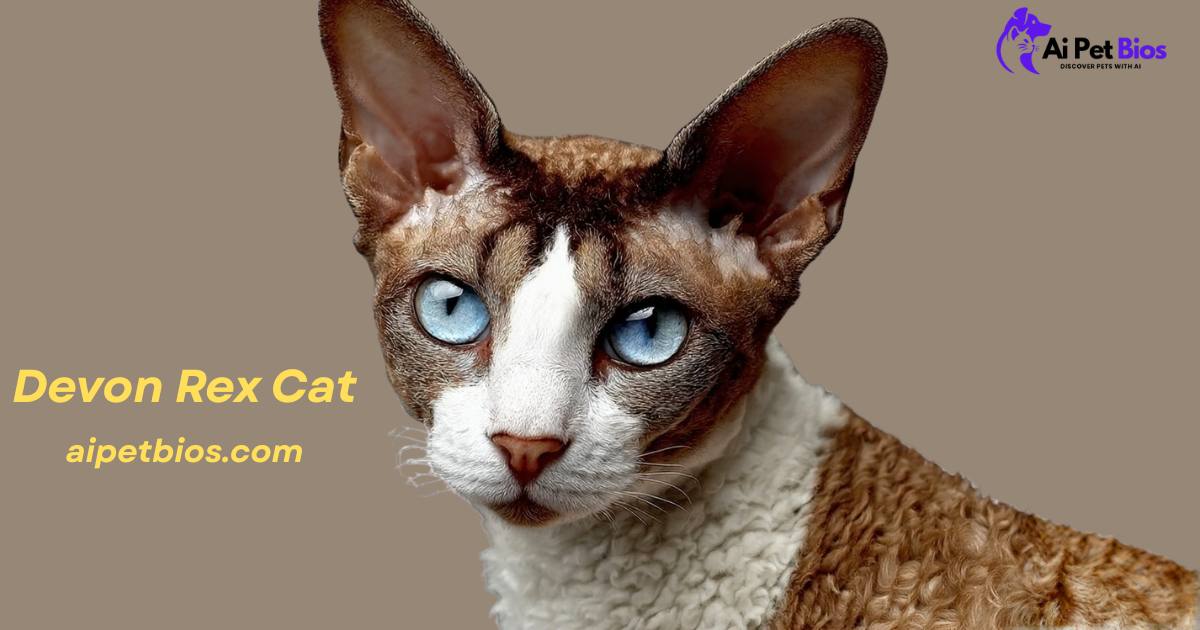
The Devon Rex is one of the most captivating and distinctive cat breeds available today. With their enormous ears, elfin faces, soft curly coats, and boundless affection, Devon Rex cats capture hearts instantly. These intelligent, interactive companions are perfect for families seeking a highly engaged, social feline that acts more like a dog than a typical cat.
Whether you’re curious about their famous hypoallergenic qualities, considering purchasing a Devon Rex kitten, or researching whether this breed fits your lifestyle, this comprehensive guide covers everything USA-based owners need to know.
From personality traits and care requirements to realistic pricing and breeder selection, we’ll explore what makes the Devon Rex such a special breed.
What Is a Devon Rex Cat? (Breed Overview)
Devon Rex Breed Summary
The Devon Rex is a medium-sized domestic cat breed originating from Devonshire, England in the 1960s. This breed emerged from a natural genetic mutation affecting coat texture, creating the signature soft, curly or wavy coat that defines the Devon Rex.
Recognized by The International Cat Association (TICA), the Cat Fanciers’ Association (CFA), and other major breed organizations, the Devon Rex has developed a devoted following among cat enthusiasts worldwide.
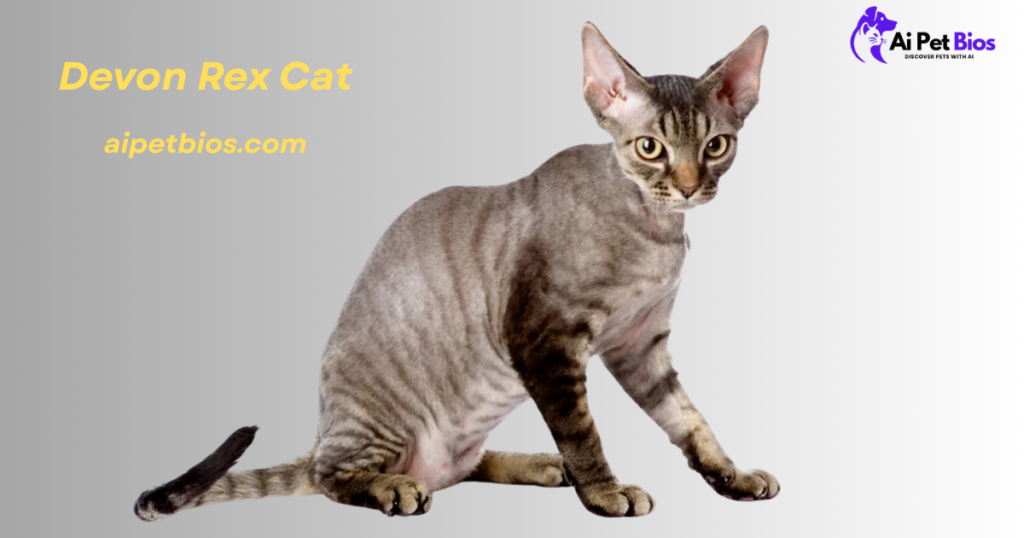
What distinguishes the Devon Rex from other breeds is a fascinating combination of physical traits and personality characteristics. These cats possess extraordinarily large, low-set ears (often described as “bat-like”), prominent cheekbones, and a slender, athletic frame that gives them an almost extraterrestrial appearance.
Despite their delicate look, Devon Rex cats are surprisingly sturdy and possess surprising strength and athleticism.
Devon Rex Quick Facts Table
| Feature | Details |
| Origin | Devonshire, England (1960s) |
| Size | Small to medium (5–9 lbs) |
| Coat Type | Soft, curly/wavy, short |
| Lifespan | 10–15 years |
| Hypoallergenic | Partially (not 100%) |
| Energy Level | Extremely high |
| Affection Level | Exceptionally high |
| Good with Families | Yes, excellent |
| Good with Children | Yes (6+ years) |
| Price Range | $1,500–$3,000+ |
| Grooming Needs | Low to moderate |
Devon Rex Personality (Real-Life Behavior)
Devon Rex Personality With Families, Kids & Seniors
The Devon Rex personality is genuinely unique among cat breeds. These cats are exceptionally social, people-oriented, and crave constant human interaction. Unlike aloof or independent breeds, Devon Rex cats actively seek out family members, follow them room-to-room, and demand attention throughout the day.
They’re often described as “monkey cats” due to their playful, mischievous antics and climbing behaviors.
Devon Rex cats excel as family pets. They’re tolerant and affectionate with children (especially 6+ years old) and enjoy interactive play. They typically coexist peacefully with other cats and can adapt to multi-pet households.
Seniors appreciate the Devon Rex for their affectionate nature and lower grooming demands compared to longhaired breeds, though their high energy can be challenging for very sedentary households.
Do Devon Rex Like to Cuddle?
Yes—absolutely. The Devon Rex is one of the most affectionate cat breeds available. These cats actively seek out laps, enjoy being held, and will often sleep beside their owners.
Many Devon Rex owners report their cats follow them into bathrooms, sleep on their chests, and demand constant physical contact. This breed is not suitable for owners seeking an independent cat; Devon Rex cats thrive on closeness and companionship.
Are Devon Rex Cats Talkative or Quiet?
Devon Rex cats are moderately vocal. They communicate through soft chirps, trills, and gentle meows rather than loud yowling. They “talk” to their owners, expressing desires for food, play, or attention, but aren’t excessively noisy like Siamese breeds. This makes them ideal for apartment living compared to more vocal breeds.
Can Devon Rex Be Left Alone? (Separation Needs)
Devon Rex cats should not be left alone for extended periods. These highly social felines suffer from separation anxiety when isolated. Extended alone time (8+ hours regularly) leads to behavioral problems, destructive scratching, inappropriate elimination, and depression.
Ideal arrangements:
- Work-from-home or flexible schedule
- Multiple family members at home
- Pet sitter visiting daily
- Companion cat for socialization
- Professional cat daycare options
Devon Rex Hypoallergenic (Complete Truth Explained)
Are Devon Rex Really Hypoallergenic?
The truth: Devon Rex cats are partially hypoallergenic, but not completely. The breed produces lower levels of Fel d 1 (the primary allergen in cat saliva and skin), making them better for allergy-prone individuals than most breeds. However, “hypoallergenic” is misleading—no cat is 100% hypoallergenic.
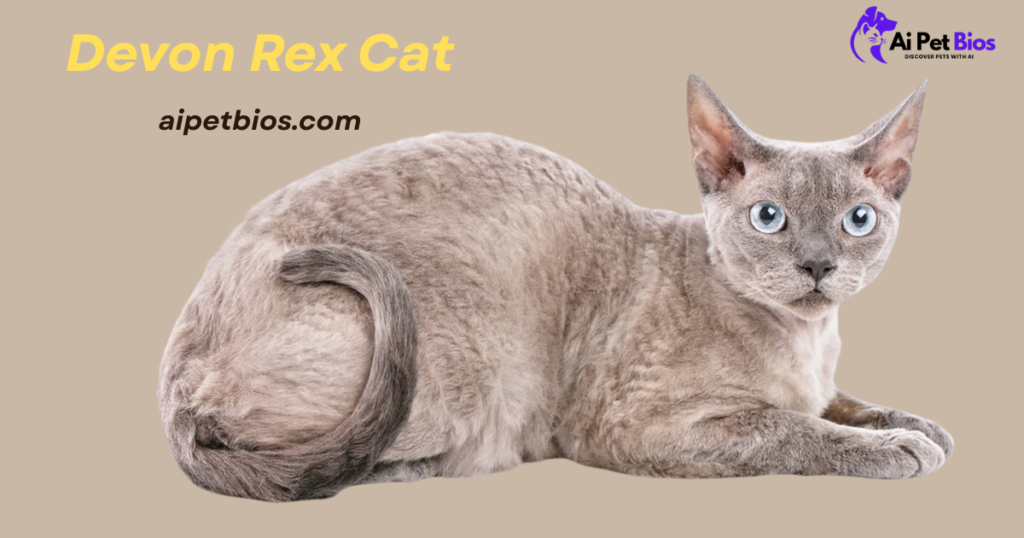
Why the confusion? The Devon Rex coat is fundamentally different. Unlike typical cat coats, the Devon Rex has a soft, curly texture with fewer guard hairs, reducing allergen dispersion in the environment. Many people with mild to moderate allergies report fewer symptoms around Devon Rex cats.
Why People Still Get Allergies (Simple Science)
Even with Devon Rex cats, allergies occur because:
- Saliva allergens cannot be fully eliminated
- Urine contains Fel d 1 protein
- Skin cells shed despite coat differences
- Individual sensitivity varies dramatically
- Hereditary factors influence allergic response
Important: If you have severe cat allergies, consult an allergist before committing to a Devon Rex.
Allergy-Friendly Tips for Devon Rex Owners
- Regular bathing (monthly) reduces allergens
- HEPA filters in bedrooms and living spaces
- Designated cat-free zones for allergy-prone family members
- Frequent grooming and brushing
- Quality air purifiers rated for pet allergens
- Wash hands after petting
- Professional grooming every 6–8 weeks
Devon Rex Size, Appearance & Coat
Devon Rex Size (Weight & Body Shape)
Devon Rex cats are small to medium-sized, typically weighing 5–9 pounds when fully mature. Females average 5–7 pounds, while males range 7–9 pounds. Despite their lightweight appearance, Devon Rex cats possess surprising muscularity and strength. Their slender frame, long legs, and large ears create an illusion of delicateness that belies their athletic capability.
Devon Rex Coat Texture (Curly & Soft)
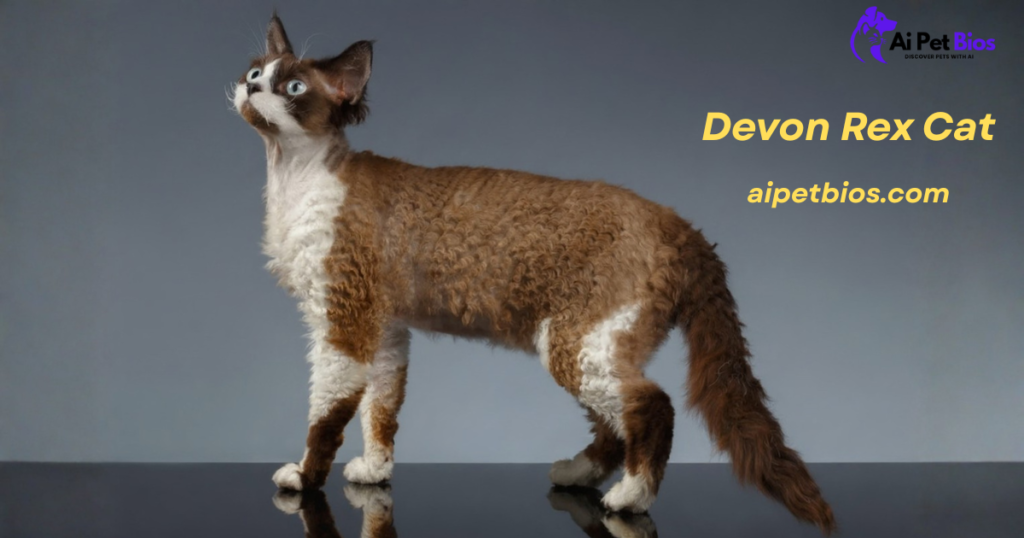
The signature Devon Rex coat is soft, short, and uniquely curly or wavy. The coat lacks typical guard hairs, giving it a suede-like or cashmere texture. This distinctive coat requires gentle handling and specific grooming approaches.
Unlike longhaired breeds, Devon Rex cats need minimal brushing (once weekly) but should never be harshly brushed. Their coat requires monthly baths to maintain texture and reduce allergen buildup.
Devon Rex Black and Other Coat Colors
Devon Rex cats come in virtually every color and pattern recognized by breed standards. Common colors include black, white, blue (gray), red/orange, cream, and chocolate.
Tabby patterns (classic, mackerel, spotted), colorpoint patterns (like Siamese), calico, and tortoiseshell variations all occur in the breed. Black Devon Rex cats are particularly striking, with glossy coats and contrasting amber or copper eyes.
Why Devon Rex Looks “Different” (Ears + Face)
The Devon Rex distinctive appearance comes from several physical characteristics:
- Enormous ears: Positioned low and wide, creating the signature “bat” look
- Prominent cheekbones: Creating a hollow, elfin appearance
- Large, forward-facing eyes: Conveying an alert, intelligent expression
- Delicate muzzle: Contributing to their unique facial structure
- Slender body: With long legs and arched back
This unusual combination makes Devon Rex cats instantly recognizable and universally appealing.
Devon Rex Lifespan & Health
Devon Rex Lifespan (Average Years)
Devon Rex cats typically live 10–15 years with proper care, with many reaching their late teens. Their lifespan is influenced by genetics, nutrition, exercise, preventive veterinary care, and environmental enrichment. Well-cared-for Devon Rex cats often surprise owners with their longevity and vitality even in senior years.
Common Health Concerns (Informational Only)
While generally healthy, Devon Rex cats can experience:
Hypokalemia (Low Potassium): Some bloodlines show hereditary potassium deficiency, causing muscle weakness. Responsible breeders test for this condition. Diagnosis via bloodwork; management involves dietary potassium supplementation.
Heart Issues: Devon Rex and related breeds occasionally develop hypertrophic cardiomyopathy (HCM). This is a critical health test. Reputable breeders screen parents with cardiac ultrasounds. This is essential for identifying ethical breeders.
Congenital Myasthenic Syndrome (CMS): A rare but Devon Rex breed-specific genetic condition causing muscle weakness and fatigue. This is a Devon Rex breed-specific condition that ethical breeders specifically test for. CMS causes muscle weakness, exercise intolerance, and difficulty eating.
Reputable TICA/CFA breeders must include CMS genetic testing documentation. If a breeder cannot provide CMS testing results for parents, this is a major red flag.
Skin Sensitivities: The unique coat can develop seborrhea (flaky skin) or other dermatological issues. Regular bathing and moisturizing prevent most problems. The thin coat also increases susceptibility to sunburn (see Sunburn & Temperature Sensitivity section).
Ear Infections: Large ears trap moisture and debris, requiring regular cleaning (weekly recommended). This is not optional maintenance; it’s essential preventive care.
Patellar Luxation: Occasional knee joint instability, particularly in smaller individuals.
Vet Care + Prevention Tips for Long Life
- Kitten care: Exams every 3–4 weeks until 12 weeks, then every 8 weeks
- Young adults: Annual wellness exam (age 1–7)
- Senior cats: Twice-yearly exams (age 7+)
- Essential preventive care: Vaccinations, parasite prevention, annual bloodwork, dental checkups
- Home monitoring: Track eating habits, weight changes, mobility, litter box usage
Devon Rex Care Guide (Daily Routine)
Feeding Guide (Best Diet Style + Portion Tips)
Devon Rex cats thrive on high-quality, protein-rich diets. Their small size means portion control is important; obesity damages their delicate frame and joints.
Ideal nutrition:
- High-protein (minimum 30%), moderate fat content
- Mix of wet and dry food (wet provides hydration)
- Portion-controlled meals (not free-feeding)
- Age-appropriate formulas (kitten, adult, senior)
- Fresh water available 24/7
Daily feeding:
- Adults: 150–200 calories daily (consult individual vet for precise amounts)
- Feed twice daily for portion control
- Monitor weight; adjust portions as needed
- Treats limited to 10% of daily calories
Grooming & Bathing (What Most Owners Get Wrong)
Many owners wrongly assume Devon Rex cats require minimal grooming. The reality is more nuanced:
Never brush harshly. The delicate, curly coat breaks easily. Use wide-toothed combs or specialized slicker brushes gently, once weekly.
Monthly baths are beneficial. Unlike most cats, Devon Rex cats tolerate and benefit from regular bathing. Use warm (not hot) water, cat-specific shampoo, and ensure thorough drying.
Ear cleaning is essential. Clean large ears weekly with damp cloths to prevent infections.
Nail trimming: Every 2–3 weeks using proper cat nail clippers.
Dental care: Brush teeth 3–4 times weekly; professional cleanings as veterinarian recommends.
Sunburn & Temperature Sensitivity (Critical Care Requirements)
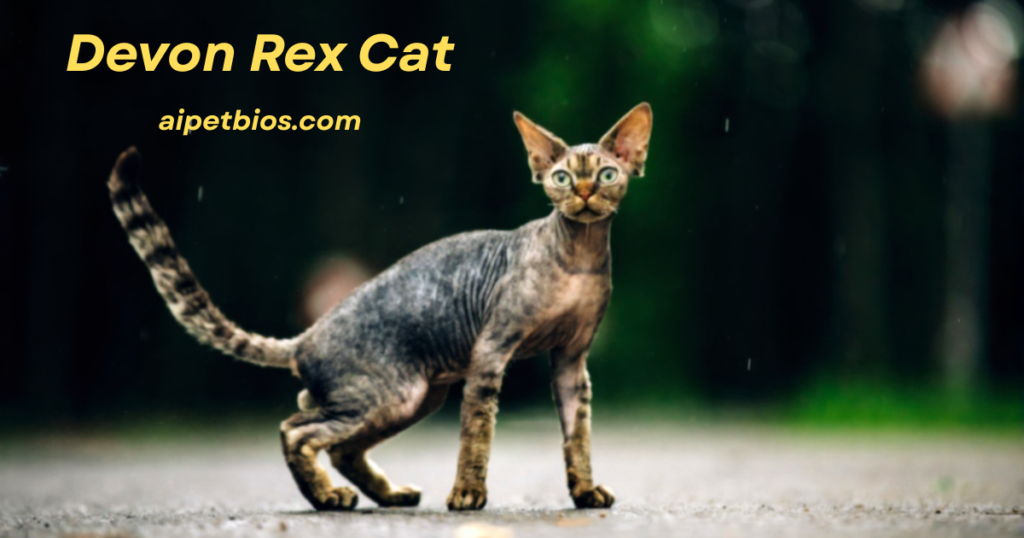
Devon Rex cats have exceptionally vulnerable skin. Their thin, sparse coat provides minimal UV protection, making them susceptible to sunburn—a serious and often overlooked health concern.
Sunburn Prevention:
- Limit direct window sunlight – Avoid leaving Devon Rex cats in sunny windowsills for extended periods
- Apply cat-safe sunscreen – Use SPF 30+ veterinary-approved sunscreen on ears, nose, and exposed skin if outdoor access occurs
- Provide shaded areas – Ensure multiple shaded resting spots throughout your home
- Indoor-only recommended – This is essential for Devon Rex cat safety (sunburn, theft risk, temperature hazards)
- Window films – Consider UV-blocking window films in rooms where cats spend significant time
Temperature Sensitivity:
Unlike most cats, Devon Rex cats cannot regulate body temperature effectively due to their minimal coat. They get cold easily and overheat quickly.
Temperature Management:
- Optimal home temperature: 70–75°F (21–24°C)
- Cat sweaters/clothing: Not optional; actually a care requirement for comfort and health
- Warm sleeping areas: Provide heated beds, blankets, and warm perches
- No air conditioning extremes: Avoid rapid temperature changes
- Avoid drafts: Cold windows, doors, and AC vents can cause distress
- Climate control: Essential in homes with significant temperature fluctuations
This is NOT a cosmetic preference. Devon Rex cats shivering or seeking constant warmth are stressed and uncomfortable. Cat sweaters, warm blankets, and proper heating are legitimate health requirements for this breed.
Exercise + Mental Stimulation
Devon Rex cats have exceptionally high energy levels. They require substantial daily activity:
- Interactive play: 30–45 minutes daily (split into sessions)
- Climbing structures: Multi-level cat trees, wall-mounted shelves
- Puzzle feeders and interactive toys
- Window perches for “bird watching”
- Leash training (many Devon Rex cats enjoy walks)
Boredom leads to destructive behavior—scratching furniture, knocking objects, excessive vocalization. Proper enrichment prevents behavioral issues.
Best Toys & Enrichment Ideas
- Feather wands and interactive toys (daily play)
- Puzzle feeders (food-dispensing toys)
- Tunnels and hideaways
- Laser pointers (supervised use only)
- Catnip mice and small balls
- Window perches
- Cardboard boxes and paper bags
- Rotating toys weekly to prevent boredom
Litter Training & Home Setup Tips
Devon Rex cats are naturally inclined to use litter boxes. Setup recommendations:
- Multiple boxes (minimum one per cat, plus one extra)
- Spacious boxes (small cats need adequate space)
- High-quality clumping litter
- Scoop daily; change completely weekly
- Locations: Away from food/water, in quiet areas, multiple rooms if possible
- Never punish accidents; use enzymatic cleaners for cleanup
Devon Rex Price in the USA (2026 Buyer Guide)
Devon Rex Price Range (Pet vs Show Quality)
Understanding the Devon Rex cat price range helps set realistic expectations when considering this breed. Important: 2026 pricing from ethical TICA/CFA registered breeders is significantly higher than it was in previous years.
Pet-Quality Devon Rex (Ethical Breeders): $1,500–$2,200
- Healthy, well-socialized kittens from health-tested parents
- Comprehensive health guarantees (1–2 years minimum)
- Genetic testing documentation included
- Comes with spay/neuter requirement
- Breeder support and lifetime return policy
- From registered, reputable breeders only
Show-Quality Devon Rex (Ethical Breeders): $2,000–$3,000+
- Meets strict breed standard for conformation and appearance
- Excellent, verified pedigree and bloodlines
- Parents health-tested (HCM screening, CMS testing)
- May include breeding rights (additional cost)
- Suitable for showing or ethical breeding programs
- Full documentation and registration
Rare colors or exceptional traits may command premiums of $300–$500 over base pricing.
⚠️ RED FLAG WARNING: If you see a Devon Rex for under $800 in 2026, this is a major warning sign. Legitimate breeders cannot afford to charge less due to necessary health testing, genetic screening, proper socialization, and ethical breeding practices. Prices below this range typically indicate:
- Backyard breeders (untested parents)
- Kitten mills (high volume, low care)
- Scams (no kitten delivered after payment)
- Health problems or genetic issues
- Lack of health guarantees
Why Are Devon Rex Cats So Expensive?
Devon Rex cats from ethical TICA/CFA registered breeders are expensive due to: genetic testing ($500–$1,000 for HCM cardiac screening, CMS genetic testing), selective breeding for health and temperament, extensive kitten socialization (8+ weeks before placement), veterinary expenses, breeder expertise and support, limited availability, and comprehensive multi-year health guarantees.
In 2026, Devon Rex cats from reputable breeders cost $1,500–$3,000+. Quality breeding is costly but ensures healthier, better-adjusted kittens. If price seems too good to be true ($600–$800), it is—this indicates untested breeding, scams, or genetic issues.
First-Year Cost Breakdown
| Expense | Amount |
| Kitten purchase | $1,500–$2,200 |
| Initial vet exam & vaccines | $150–$250 |
| Supplies (litter box, toys, bed, bowls) | $100–$200 |
| Microchip & registration | $25–$50 |
| Spay/neuter (if not done by breeder) | $200–$400 |
| Food (year 1) | $300–$400 |
| Litter (year 1) | $120–$180 |
| Grooming supplies | $50–$100 |
| Cat sweaters/warm accessories | $50–$100 |
| Sunscreen & protective items | $25–$50 |
| TOTAL YEAR 1 | $2,620–$3,930 |
Monthly Ownership Cost Estimate
- Food: $25–$35
- Litter: $10–$15
- Toys & enrichment: $10–$15
- Grooming supplies: $10–$20
- Cat sweaters/warm items: $10–$15
- Preventive care (annual averaged): $15–$25
- Average monthly: $90–$140
Devon Rex Kittens for Sale (Smart Buying Guide)
Devon Rex Kittens for Sale: What to Expect
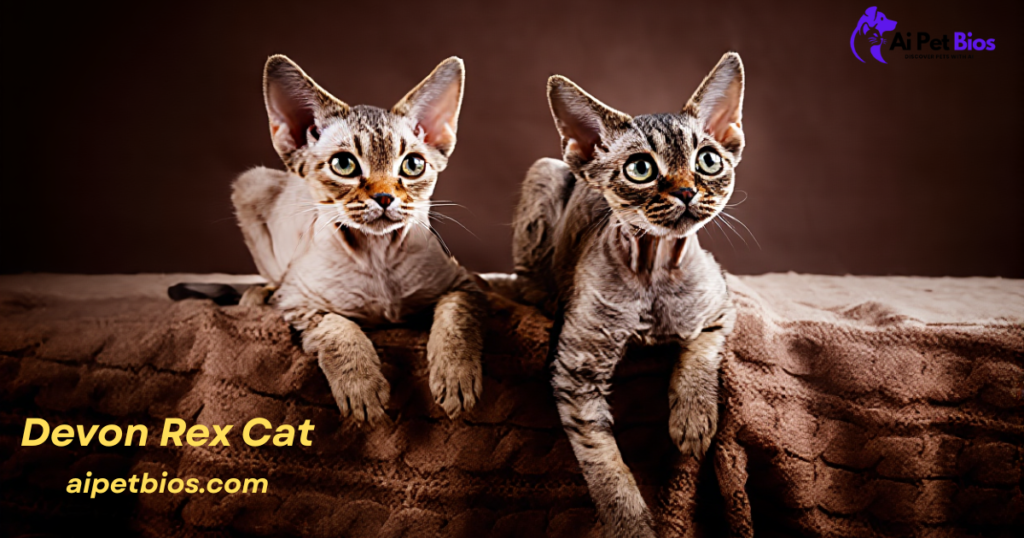
Devon Rex kittens are ready for homes at 12–16 weeks old. At this age, they should be:
- Fully vaccinated and dewormed
- Microchipped and registered
- Socialized with humans and varied environments
- Spayed/neutered or covered by spay/neuter contract
- Accompanied by health guarantee documentation
- Already showing characteristic personality (playful, curious, affectionate)
Expect breeders to ask detailed questions about your home, lifestyle, and ability to provide appropriate care. Responsible breeders screen adoptive families carefully.
Devon Rex Cat for Sale Near Me (How to Search Safely)
Legitimate sources:
- TICA and CFA breeder directories (verified members)
- Local Devon Rex breed clubs
- Referrals from veterinarians
- Breed-specific social media groups
- In-person breeder visits (always possible)
Red flags to avoid:
- Prices significantly below market ($300–$400 or even $800)
- Unwilling to video chat or phone call
- Pushy sales tactics or pressure to pay quickly
- No health guarantees or written contract
- Wire transfer or cryptocurrency payments requested
- Stock photos instead of kitten photos
- Cannot provide previous buyer references
- Cannot provide HCM or CMS testing documentation
How to Spot Scams (Red Flags List)
- 🚫 Too-good-to-be-true pricing (under $800)
- 🚫 No verifiable breeder information
- 🚫 Unwillingness to meet in person
- 🚫 Lack of health documentation
- 🚫 No breed association membership
- 🚫 Guarantees that seem unrealistic
- 🚫 Pressure to decide quickly
- 🚫 Multiple litters available simultaneously
- 🚫 No questions asked about your home
- 🚫 No HCM or CMS testing results available
Devon Rex Breeders: What a Good Breeder Looks Like
✅ Member of TICA, CFA, or recognized breed association
✅ Health tests parents (HCM cardiac screening, CMS genetic testing)
✅ Detailed health guarantee (1–2 years)
✅ Written contract with clear terms
✅ Answers questions thoroughly and honestly
✅ Provides references from previous buyers
✅ Offers lifetime support and return policy
✅ Limits breeding to maintain health
✅ Transparent about genetic predispositions
✅ Visits breeder facility in person possible
✅ Provides documentation for all health testing
Devon Rex Cattery Checklist (USA Standard)
Before committing to a breeder, verify:
- ✅ Licensed or registered with state/local authorities
- ✅ Clean, spacious facilities for cats
- ✅ Cats appear healthy and well-socialized
- ✅ Breeding animals health-tested (HCM and CMS)
- ✅ Kittens handled regularly from birth
- ✅ Proper nutrition and veterinary care evident
- ✅ Written health guarantee minimum 1 year
- ✅ Spay/neuter contract signed
- ✅ Post-adoption support offered
- ✅ Contract includes return clause
Best Questions to Ask Before Buying
- How long have you been breeding Devon Rex cats?
- What health testing do parents undergo? (Specifically ask about HCM and CMS)
- Can you provide health testing documentation for both parents?
- Can you provide references from previous kitten buyers?
- What is your health guarantee period?
- Do you offer lifetime support or return policy?
- Are there any genetic predispositions in your lines?
- What are your kitten socialization practices?
- When can kitten go home? (Should be 12–16 weeks)
- What’s included in the contract?
- Can I communicate with you after adoption with questions?
- Will the kitten have cat sweaters to manage temperature sensitivity?
Devon Rex Cats for Adoption (Cheaper + Ethical Option)
Devon Rex for Adoption: Where to Look
Adoption sources:
- Devon Rex breed-specific rescues (national and regional)
- Petfinder.com and Adopt-a-Pet.com (filter for Devon Rex)
- Local animal shelters (occasionally have breed mixes)
- Facebook groups dedicated to breed rescue
- TICA/CFA rescue networks
Devon Rex Cats for Adoption vs Buying (Pros/Cons)
Adoption Advantages:
- Lower adoption fee ($100–$300 vs $1,500–$3,000)
- Adult cats available (personality already established)
- Rescue organizations provide medical care
- Higher ethical value (supporting rescue mission)
- Pre-screened for health issues
Adoption Disadvantages:
- Limited availability (fewer rescue Devon Rex cats)
- Less predictable breed traits (especially young adults)
- Limited health history
- May require longer adjustment period
Pros and Cons of Owning a Devon Rex
Pros (Lifestyle Benefits)
✅ Exceptionally affectionate and loyal
✅ Highly intelligent and trainable
✅ Low grooming requirements (short coat)
✅ Small size (ideal for apartments)
✅ Social with families and children
✅ Unique, conversation-starting appearance
✅ Long lifespan (10–15+ years)
✅ Great for interactive families
✅ Adapt well to multi-pet households
Cons (Real Challenges People Ignore)
❌ Require constant human interaction
❌ Cannot be left alone for extended periods
❌ Very high energy (demanding)
❌ Not suitable for sedentary lifestyles
❌ Separation anxiety is common
❌ Expensive to purchase from ethical breeders ($1,500–$3,000+)
❌ Ongoing veterinary and care costs
❌ Potential hereditary health issues
❌ Not ideal for quiet households
❌ Require substantial enrichment
❌ Temperature-sensitive (need heated spaces and sweaters)
❌ Sunburn-prone (require limited sun exposure)
Is a Devon Rex Right for You?
Best Owner Type (Perfect Match)
Ideal Devon Rex owners:
- Active families with time for interaction
- Work-from-home professionals
- Households with multiple family members
- People seeking highly engaged companion
- Families comfortable with high-energy pets
- Those willing to invest in enrichment
- People seeking affectionate, social cats
- Owners prepared for 10–15 year commitment
- Those with resources for temperature control and protection
Not Recommended If You…
❌ Work 8+ hours daily without pet care coverage
❌ Prefer independent, aloof cats
❌ Have severe cat allergies
❌ Live in tiny apartments without enrichment space
❌ Want a low-maintenance pet
❌ Travel frequently without pet coverage
❌ Have minimal time for daily interaction
❌ Are unprepared for $2,500–$4,000+ annual costs
❌ Cannot provide warm home environment
❌ Cannot limit sun exposure or provide protective measures
Quick Decision Checklist
- ☐ Can you commit 1+ hour daily to interactive play?
- ☐ Are you home or have pet care during most days?
- ☐ Do you want an affectionate, social companion?
- ☐ Are you prepared for $2,500–$4,000+ annual costs?
- ☐ Can you provide vertical enrichment space?
- ☐ Are you ready for 10–15 year commitment?
- ☐ Do you enjoy frequent grooming/bathing?
- ☐ Can you handle potential separation anxiety?
- ☐ Can you maintain home temperature at 70–75°F?
- ☐ Can you limit sun exposure and provide UV protection?
Mostly “yes” answers? Devon Rex might be perfect for you!
FAQs about Devon Rex Cats (People Also Ask)
What is special about a Devon Rex cat?
The Devon Rex is special for their extraordinary appearance (enormous ears, elfin face), exceptional affection, intelligence, and unique soft, curly coat. They’re highly social, people-oriented cats that act more like dogs than typical felines.
Their engaging personalities and interactive nature make them captivating companions for active families.
Are Devon Rex really hypoallergenic?
Partially. Devon Rex cats produce lower levels of Fel d 1 allergen than most breeds, making them suitable for some allergy-prone individuals.
However, no cat is completely hypoallergenic. People with severe allergies may still react. Mild to moderate allergy sufferers often do well with Devon Rex cats.
Do Devon Rex like to cuddle?
Yes—absolutely. Devon Rex cats are among the most affectionate breeds available. They actively seek cuddles, enjoy being held, sleep beside owners, and follow family members throughout homes. This breed thrives on physical closeness and companionship.
Why are Devon Rex cats so expensive?
Devon Rex cats from ethical TICA/CFA registered breeders are expensive due to: genetic testing ($500–$1,000 for HCM cardiac screening, CMS genetic testing), selective breeding for health and temperament, extensive kitten socialization (8+ weeks before placement), veterinary expenses, breeder expertise and support, limited availability, and comprehensive multi-year health guarantees.
In 2026, Devon Rex cats from reputable breeders cost $1,500–$3,000+. Quality breeding is costly but ensures healthier, better-adjusted kittens. If price seems too good to be true ($600–$800), it is—this indicates untested breeding, scams, or genetic issues.
Can Devon Rex be left alone?
Devon Rex cats should not be left alone for extended periods (8+ hours regularly). These highly social felines suffer from separation anxiety when isolated. They require work-from-home arrangements, multiple family members, pet sitter visits, or companion animals for happiness.
What are the disadvantages of a Devon Rex cat?
Main disadvantages include high social needs, inability to handle extended alone time, very high energy demands, expensive acquisition and care costs ($2,500–$4,000+ annually), potential hereditary health issues, need for substantial enrichment, temperature sensitivity, sunburn vulnerability, and unsuitability for quiet or sedentary lifestyles.
They’re demanding, wonderful companions—not low-maintenance pets.
Final Thoughts
The Devon Rex is an exceptional breed for the right owner. These intelligent, affectionate, beautifully unique cats reward their families with unparalleled companionship, entertaining antics, and genuine devotion.
If you can meet their considerable social and enrichment needs, maintain appropriate home temperature and sun protection, and you’re prepared for the financial commitment, a Devon Rex will bring immeasurable joy to your home.
Disclaimer: This article is informational only and does not replace professional veterinary advice. Consult a licensed veterinarian regarding your cat’s health, nutrition, and individual care needs.
Courtesy: Kitten Life
[instant_emoji_reactions]

Want Popular On Google? | Lust Quality Backlinks That Force-fed
I’m an SEO Expert, Guest Posting Specialist, and Web Developer helping websites increase rankings, traffic, and authority using clean, white-hat strategies 🚀
I focus on high-authority guest posts, safe backlinks, SEO-optimized content, and technically sound websites—so your site doesn’t just rank, it stays ranked.
What I help you with:
✅ SEO (On-page, Off-page & Technical)
✅ Guest Posts on Real, Relevant Sites
✅ High-Quality Link Building
✅ Keyword Research & Content Strategy
✅ SEO-Friendly Website Development
📈 No spam. No shortcuts. Only results.
👉 Need backlinks that actually work?
📩 Let’s connect: https://wa.me/+923006932631
1 thought on “Devon Rex Cat | Daring Personality and its Thrilling Price | 2026”
Comments are closed.