
What Is a Cornish Rex?
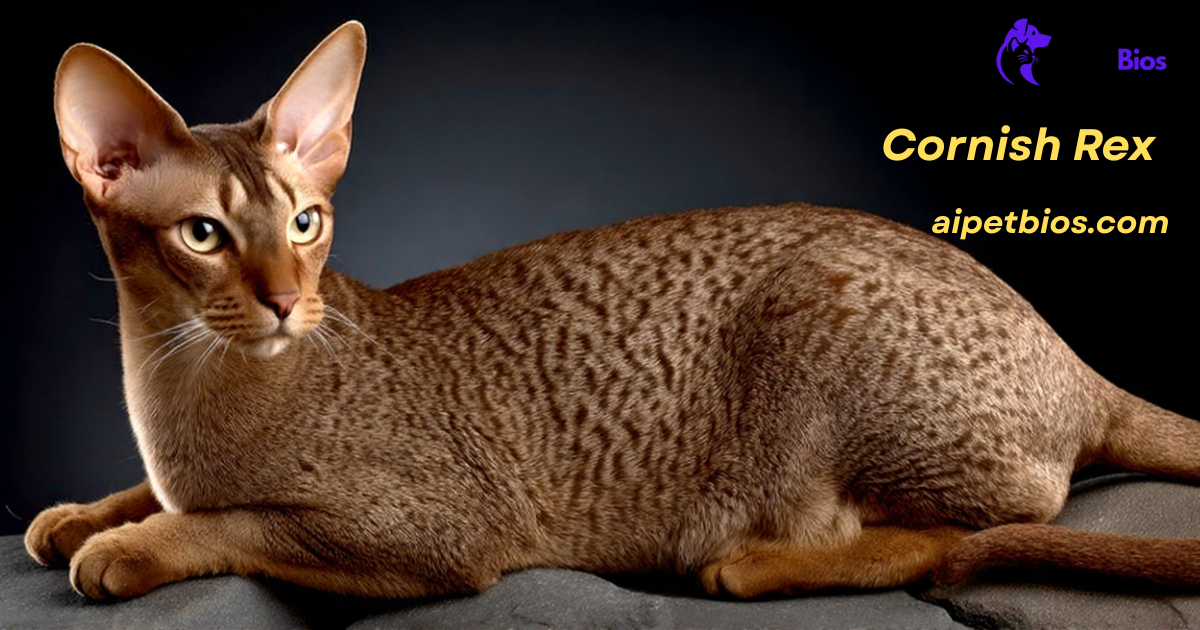
The Cornish Rex is a distinctive cat breed with an incredibly soft, curly coat that feels like velvet or suede. Originating in 1950s Cornwall, England, this breed emerged from a spontaneous genetic mutation in a domestic cat litter. A single kitten with an unusual curly coat became the foundation for this now globally recognized breed.
Distinctive Physical Features
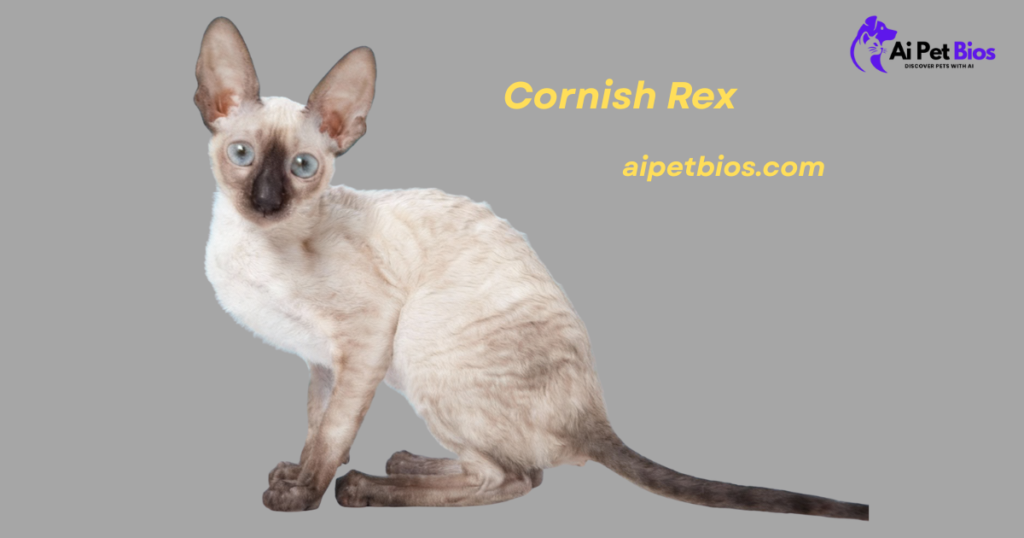
- Wedge-shaped head with exceptionally large ears (positioned high and alert)
- Slender, athletic frame with surprising strength and agility
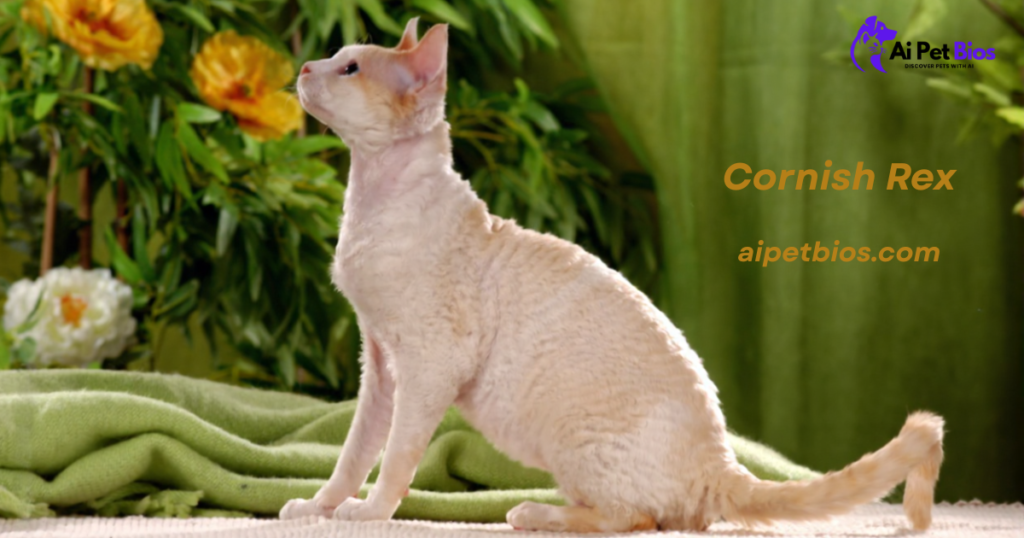
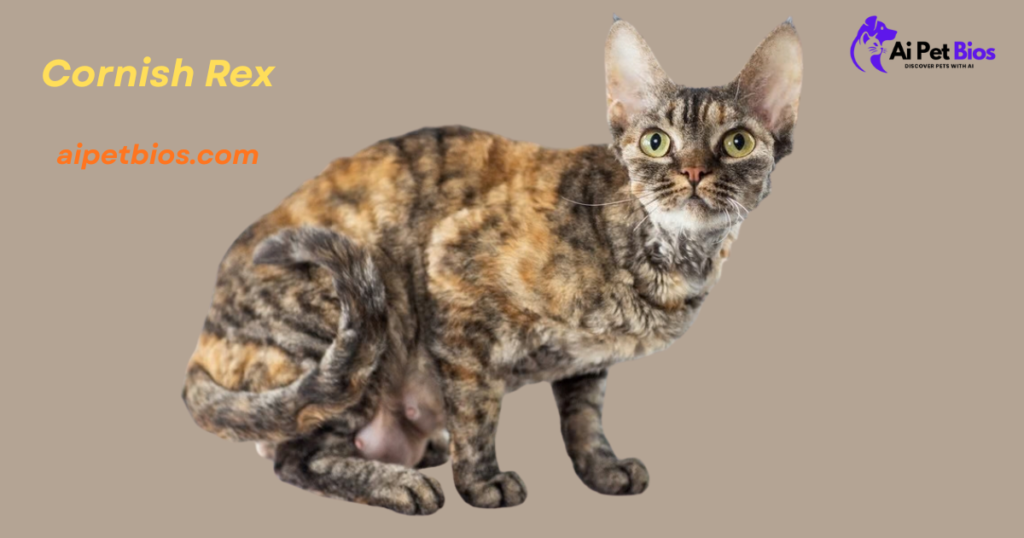
- Single-layer curly coat (unique genetic structure unlike any other breed)
- Large, intelligent eyes with alert expression conveying curiosity
- Available in virtually every color and pattern (black, orange, cream, tabby, bicolor)
- Fine-boned but muscular allowing impressive jumping and climbing
Breed History & Genetic Foundation
The Cornish Rex carries a recessive genetic mutation affecting hair structure, resulting in a single-layer coat rather than the typical double-layer found in most domestic cats. This genetic difference explains their distinctive appearance and unique characteristics.
The breed was officially recognized by major associations (TICA, CFA, FIFe) and breeding programs were established to maintain breed standards.
What Makes Them Different
The Cornish Rex’s single-layer coat structure (lacking guard hairs) creates several advantages:
✓ Minimal shedding compared to most domestic breeds (excellent for concerned owners)
✓ Lower dander production (may suit mild allergies better than some breeds)
✓ Unique tactile texture like velvet or suede (distinctive feel) ✓ Temperature sensitive (prefer 70-75°F environments)
✓ Requires specific grooming techniques (gentle care essential) ✓ Distinctive appearance setting them apart visually from all other breeds
Hypoallergenic Claims: The Truth
Important Note: No cat is truly hypoallergenic. All cats produce allergens through saliva, urine, and dander regardless of coat type. Individual reactions vary significantly by up to 400% between different cats.
If you have allergies, spend extended time with the actual cat before adoption to test your response. Some people experience improved tolerance after environmental adaptation periods of several weeks, though this varies considerably.

Quick Facts Overview
| Characteristic | Details |
| Origin | Cornwall, England (1950s) |
| Size | 6-9 lbs (2.7-4.1 kg) |
| Lifespan | 12-15 years |
| Coat | Fine, curly, single-layer (minimal shedding) |
| Energy | Very high (requires 30-60 min daily play) |
| Personality | Highly social, intelligent, demanding |
| Best For | Active owners, work-from-home, engaged families |
| Price (USA) | $1,500-$3,500+ |
| Price (UK) | £800-£1,500+ |
| Price (EU) | €900-€2,000+ |
| Monthly Cost | $135-$250 USD |
Personality & Temperament: The Reality
Before considering a Cornish Rex, understand their demanding nature. These are NOT independent cats. They require active, engaged owners prepared for significant daily interaction.
Core Personality Traits
- Highly social: Form intense bonds; require constant companionship; hate being alone
- Exceptionally intelligent: Learn commands, solve puzzles, open doors, figure out household mechanics
- Perpetually playful: Maintain kitten-like enthusiasm throughout life (even into senior years)
- Mischievous: Follow owners everywhere, investigate everything, participate in all activities
- Demanding: Need 30-60 minutes daily interactive play (non-negotiable minimum)
- Moderately vocal: Communicate regularly with owners through various vocalizations
- Affectionate: Seek constant physical contact (head bumps, lap sitting, shoulder perching)
- Sensitive: Pick up on owner moods and emotional states
Separation Anxiety: The Critical Issue
Cornish Rex cats cannot tolerate extended alone periods. This is not a personality quirk but a fundamental breed characteristic. Leaving them alone 8+ hours regularly results in:
- Destructive behavior (scratching furniture, knocking items off surfaces)
- Separation anxiety (stress-related behaviors and emotional distress)
- Inappropriate elimination (litter box avoidance, marking)
- Stress-related health problems (digestive issues, behavioral concerns)
- Behavioral regression (undoing prior training)
This is the single most important factor in determining whether a Cornish Rex is suitable for your household.
What They’re Really Like Living With Them
Imagine a cat that:
- Follows you from room to room throughout the day
- Participates in your activities (watching what you do)
- Demands play sessions at specific times
- Sleeps on you or right beside you
- Greets you enthusiastically when you return home
- Gets into everything curious about your life
- Requires problem-solving toys and mental stimulation
- Doesn’t appreciate closed doors (wants access everywhere)
- Forms preference for specific family members while remaining social
This is the reality of living with a Cornish Rex. If this sounds delightful to you, the breed could be perfect. If it sounds exhausting, choose a different breed.
Ideal Situation: Multi-cat household, work-from-home owner, or retired individual with constant availability.
Best & Worst Case Scenarios
Best for:
- Work-from-home owners ✓
- Retired individuals ✓
- Flexible/part-time schedules ✓
- Families with constant family members home ✓
- People who appreciate interactive, demanding pets ✓
Not suitable for:
- Full-time office workers (8+ hour absences) ✗
- Frequent travelers ✗
- People seeking independent cats ✗
- Those unable to commit 30+ minutes daily interaction ✗
- Quiet, low-energy lifestyles ✗
Health Screening & Genetic Concerns
Cornish Rex cats are generally healthy but certain hereditary conditions warrant awareness. Always purchase from health-screening breeders who test breeding parents for genetic issues and provide documentation.
Primary Health Concerns
1. Hypertrophic Cardiomyopathy (HCM)
- What it is: Heart muscle thickening that reduces the heart’s ability to pump blood efficiently
- Prevalence: Affects approximately 2-5% of Cornish Rex population (varies by bloodline)
- Symptoms: Lethargy, difficulty breathing, appetite loss (though many cats show no symptoms initially)
- Screening: Echocardiogram (ultrasound of the heart) by board-certified veterinary cardiologist
- Management: Medication available (ACE inhibitors, beta-blockers) if diagnosed; most HCM cats live normal lifespan with treatment
- Prevention: Ethical breeders screen parents before breeding and don’t breed carriers
- Genetic transmission: Autosomal dominant inheritance; affected cats have 50% chance of passing to offspring
2. Patellar Luxation
- What it is: Kneecap displacement from normal groove position, affecting mobility and comfort
- Severity ratings: Grade I (occasional, no lameness) to Grade IV (permanent, severe disability)
- Causes: Genetic predisposition combined with muscle weakness or anatomical variations
- Screening: Physical orthopedic examination; X-rays if needed
- Management: Conservative care for mild cases (weight management, supplements); surgery for severe cases
- Prevention: Genetic screening eliminates affected cats from breeding programs
- Symptoms: Hopping gait, occasional limping, reluctance to jump (varies by severity)
3. Skin Conditions
- Related to: Unique coat structure and sebaceous gland activity
- Examples: Seborrhea (excess skin oil), dermatitis (inflammation), ear mite sensitivity
- Management: Regular grooming and monthly bathing significantly reduces issues
- Severity: Usually minor and manageable with proper care
- Prevention: Maintain optimal humidity levels (35-45%); provide high-quality nutrition
- When to seek help: Persistent scratching, red skin, hair loss warrant veterinary attention
4. Other Health Considerations
- Hip dysplasia: Occasionally occurs but less common than in larger breeds
- Eye issues: Rare but possible; reputable breeders may screen through veterinary ophthalmologists
- Thyroid problems: Can develop in senior cats; regular blood work detects early
Choosing a Health-Screened Breeder
✓ Request complete health testing documentation for both parents
✓ Ask for cardiac screening results (echocardiogram reports from cardiologist)
✓ Get orthopedic evaluation records (knees, hips, spine)
✓ Demand written health guarantee with specific terms (minimum 5 years)
✓ Confirm breed association membership (TICA, CFA, FIFe)
✓ Request veterinary references
✓ Ask detailed questions about breeding practices
✓ Understand genetic risks honestly discussed
Expected Lifespan & Longevity
- Average lifespan: 12-15 years with proper care
- Extended lifespan: Some reach 18+ years with exceptional care
- Factors affecting longevity: Quality nutrition, preventive veterinary care, genetic health, exercise, emotional enrichment, stress reduction, weight management
- Senior care: Semi-annual vet exams (7+ years), regular monitoring, pain management if needed
Preventive Health Measures
The best health approach combines:
- Selecting health-screened parents (critical foundation)
- Regular veterinary care (annual exams under 7 years; semi-annual 7+ years)
- High-quality nutrition (supports immune system and overall health)
- Appropriate exercise (maintains healthy weight and cardiovascular fitness)
- Stress reduction (emotional wellbeing affects physical health)
- Environmental enrichment (mental stimulation supports longevity)
- Early intervention (address health concerns immediately)
Grooming & Coat Care Guide
The Cornish Rex coat requires regular but straightforward grooming. Proper care maintains coat health, prevents matting, and supports overall wellbeing.
Understanding the Curly Coat
Unlike most cats with double-layer coats (guard hairs plus undercoat), the Cornish Rex has exclusively fine, soft undercoat creating the characteristic curly or wavy pattern. This structure requires gentle handling during grooming:
- Avoid harsh brushing that damages delicate curls
- Never use metal combs which break hair and cause discomfort
- Gentle handling throughout the grooming process
- Regular but not excessive grooming
Weekly Grooming Routine (10-15 minutes)
- Soft brushing using gentle-bristled brush (avoid metal combs; they damage curls)
- Gentle technique with light pressure to prevent curl damage
- Check for mats and gently work out any tangles
- Ear cleaning weekly (large ears collect wax easily; cotton ball with warm water works)
- Nail trimming every 2-3 weeks (important for climbing cats who catch nails)
- Paw pad inspection checking for debris or injuries
Monthly Bathing (Optional but Beneficial)
Regular bathing provides multiple benefits for this breed:
Benefits:
- Reduces skin oil accumulation that affects curl pattern
- Maintains curl definition and pattern clarity
- Removes mild odor some owners notice
- Supports overall skin health
- Allows thorough inspection of coat and skin
Proper Bathing Process:
- Use lukewarm water (95-100°F / 35-37°C)
- Apply sulfate-free, gentle cat shampoo (human shampoo damages feline skin)
- Lather gently without excessive rubbing
- Rinse thoroughly (important—soap residue causes discomfort)
- Dry gently with soft towel
- Optional: Low-heat blow dryer on cool setting
Temperature Sensitivity & Environmental Care
These cats are exceptionally sensitive to cold due to minimal hair coverage. The single-layer coat provides far less insulation than typical double-coated breeds.
Optimal temperature: 70-75°F (21-24°C) Comfortable range: 65-80°F (18-27°C) Discomfort threshold: Below 65°F or above 80°F
Temperature management strategies:
- Provide heated beds during winter months
- Maintain consistent room temperature
- Offer multiple warm resting locations
- Avoid cold drafts from windows/doors
- Consider heated cat beds (available online)
- Allow window sunbathing for warmth
- Never allow outdoor exposure in cold weather (dangerous due to coat limitations)

Pricing: Complete Breakdown (International)
Initial Purchase Price
Pet-Quality Cornish Rex:
- USA: $1,500-$2,500
- UK: £800-£1,200
- EU: €900-€1,500
- Australia: $2,000-$3,500 AUD
- Canada: $1,800-$3,000 CAD
Show-Quality Cornish Rex:
- USA: $2,500-$4,000+
- UK: £1,200-£2,000+
- EU: €1,500-€2,500+
Factors Affecting Price:
- Breeder reputation and experience
- Comprehensive health testing
- Champion bloodlines
- Rare color/pattern
- Geographic location
- Breeding difficulty
Monthly Ownership Costs (USA)
| Expense | Low | Moderate | Premium |
| Food | $35 | $50 | $75+ |
| Veterinary | $40 | $60 | $100+ |
| Grooming supplies | $5 | $15 | $30 |
| Toys/enrichment | $10 | $20 | $40 |
| Insurance (optional) | $15 | $25 | $40 |
| Total Monthly | $105 | $170 | $285+ |
Lifetime Cost Projection
12-15 year lifespan:
- Budget ownership: $15,120-$18,900
- Moderate ownership: $24,480-$30,600
- Premium ownership: $41,040-$51,300
Emergency fund recommendation: $1,000-$2,000 for unexpected medical issues.
Finding Ethical Breeders: A Critical Guide
Selecting the right breeder is the single most important decision in acquiring a Cornish Rex. Unethical breeders prioritize profit over cat welfare, resulting in health problems and behavioral issues. Spending time finding an ethical breeder saves money on veterinary bills and heartache from health problems.
Red Flags – Breeders to Avoid
❌ Refuses to provide health documentation (major red flag)
❌ Pressure to purchase immediately without inspection
❌ Prices 30-50% below market average (indicates low-quality breeding) ❌ Unable or unwilling to provide references
❌ Reluctant to discuss detailed breeding practices
❌ Unwilling to allow facility visits
❌ No written health guarantee (or vague guarantees)
❌ Offers to ship without facility verification
❌ Multiple litters per year (cat welfare concern)
❌ No breed association membership verification
❌ Unwilling to discuss genetic health issues honestly
Ethical Breeder Characteristics
✓ Registered with breed associations (TICA, CFA, FIFe)
✓ Comprehensive health testing on breeding cats (documented)
✓ Written contracts with explicit terms and guarantees
✓ Spays/neuters pet-quality cats before delivery
✓ Requires return if circumstances change (lifetime responsibility)
✓ Maintains clean, healthy breeding facilities (accessible for inspection)
✓ Limited breeding cycles (4-5 litters lifetime maximum per cat)
✓ Provides veterinary references (verifiable)
✓ Transparent about breeding practices and philosophy
✓ Accessible for questions post-adoption (ongoing support)
Where to Find Cornish Rex Kittens
Best Sources (In Order of Preference):
- Ethical Breeders
- Health screening and contracts
- Written guarantees and support
- Breed standards maintained
- Find through breed associations
- TICA Breeder Directory
- Visit www.tica.org
- Verified member breeders
- Search by breed and location
- Membership verification possible
- CFA Registered Breeders
- Visit www.cfa.org
- Registry and breed information
- Recommended breeders
- Show quality and pet quality options
- Breed Rescue Organizations
- Lower cost than breeders
- Adult cats often available
- Pre-screened health and behavior
- Support animal welfare
- Known history available
- International Breed Clubs
- Regional recommendations
- Breed-specific knowledge
- Network of ethical breeders
Sources to Avoid:
- Internet classified ads (high scam risk)
- Pet stores (commercial breeding concerns)
- Social media marketplace postings
- Unknown backyard breeders
- Sources without verification capability
Essential Questions for Breeders
Breeding Experience & Philosophy (5 questions)
- How long have you been breeding Cornish Rex cats professionally?
- What inspired you to breed this specific breed?
- Can you describe your long-term breeding philosophy and goals?
- How do you select breeding pairs (genetic, temperament, health)?
- How do you prevent genetic concentration in your breeding lines?
Health & Genetic Screening (8 questions)
- What specific health tests do you perform on all breeding cats?
- Can you provide complete documentation of all health test results?
- How frequently are your cats health-screened (timing/intervals)?
- Have any of your cats developed genetic health issues? How did you address it?
- What is your protocol if a kitten develops a genetic health issue?
- Do you perform cardiac screening? Can you provide echocardiogram results?
- What is your position on genetic DNA testing when available?
- How do you educate new owners about potential health concerns?
Breeding Practices & Ethics (5 questions)
- How many litters do your breeding cats produce per year?
- At what age do you retire breeding cats?
- What happens to retired breeding cats?
- How do you ensure appropriate time between litters?
- How do you select kitten buyers and ensure good placements?
Support & Contract (4 questions)
- What is your return policy if my circumstances change?
- What ongoing support and mentorship do you offer post-adoption?
- What does your health guarantee cover and for how long?
- Can you provide 5+ verifiable references from previous buyers?
Required Documentation Before Purchase
Reputable breeders provide comprehensive documentation:
✓ Complete health test results (both parents)
✓ Cardiac screening documentation (echocardiogram)
✓ Orthopedic evaluation records
✓ Genetic testing results (if available)
✓ Registration papers with authenticity verification
✓ Pedigree documentation (3-5 generation minimum)
✓ Written contract with explicit terms
✓ Health guarantee specifics and duration
✓ Vaccination and deworming records
✓ Microchip number and registration information
✓ Verifiable buyer references (5+ minimum)
✓ Breed association membership verification
Understanding Breeder Pricing
Ethical breeders’ prices reflect:
- Comprehensive health screening costs ($500-$1,000+)
- Genetic testing investments
- Quality food and veterinary care
- Time and expertise
- Infrastructure maintenance
- Ethical breeding practices
- Limited breeding (reduced volume = higher per-kitten cost)
Higher pricing from ethical breeders typically saves money on health problems later. A $2,500 kitten from an ethical breeder often costs less over lifetime than a $800 kitten from an unethical source requiring expensive health treatment.
Kitten Care & Training
Feeding Protocol for Growth
Proper nutrition during kittenhood establishes lifelong health patterns. Cornish Rex kittens have high metabolism due to active nature.
Feeding Schedule by Age:
- 8 weeks – 4 months: 4 meals daily (high-quality kitten formula)
- 4-6 months: 3 meals daily
- 6-12 months: 2 meals daily
- 12+ months: Transition to adult food over 7-10 days
Nutritional Requirements:
- Minimum 30% protein (supports growth and activity level)
- Named meat sources (chicken, fish, beef—not “meat by-products”)
- Complete and balanced (AAFCO certified)
- Wet and dry food combination beneficial (wet provides hydration)
- Fresh water constantly available (critical for hydration)
Weight Monitoring: Despite high activity levels, Cornish Rex cats are prone to obesity. Monitor weight monthly and adjust portions based on body condition. Consult veterinarian about appropriate portion sizes for individual kittens.
Litter Training
Most Cornish Rex kittens instinctively use litter boxes, but proper setup ensures success:
Setup Requirements:
- Multiple boxes (minimum 2 for single kitten)
- Easily accessible locations (away from food/water areas)
- Unscented, fine-grain litter (preferred by breed)
- Litter depth: 2-3 inches
- Daily cleaning (important for cleanliness-focused cats)
Support Techniques:
- Place kitten in box after meals and naps (natural elimination times)
- Reward successful use with praise and small treats
- Clean soiled areas thoroughly (enzymatic cleaners remove scent)
- Avoid punishment (creates anxiety, not understanding)
Early Socialization (Critical Development Phase)
Weeks 2-8 are critical for developing confident, well-adjusted adult personality. Proper socialization prevents behavioral issues later.
Week 2-4: Environmental Exposure
- Introduce various household sounds (vacuum, washing machine, water)
- Expose to different lighting conditions
- Present safe household environments
- Gentle handling by multiple people
- Vehicle sounds (beneficial for future vet visits)
Week 4-8: Social Expansion
- Supervised visits from multiple household members
- Interaction with respectful visitors
- Exposure to children (if in household) with supervision
- Safe introduction to other household pets
- Beginning of training routines
Socialization Activities:
- Gentle handling of paws, ears, tail (desensitize for grooming/vet care)
- Carrier training (positive association, treats inside)
- Leash training introduction (if owner interested)
- Toy interaction variations (different types)
- Problem-solving toy introduction (early enrichment)
- Grooming routine establishment (regular handling builds comfort)
Vaccination & Healthcare Schedule
Vaccination Timeline:
| Age | Vaccines | Notes |
| 6-8 weeks | FVRCP (1st dose) | Protects against viral diseases |
| 9-11 weeks | FVRCP (2nd dose) | Booster for immunity |
| 12-16 weeks | FVRCP (3rd dose), Rabies | Complete primary series |
| 1 year | Rabies booster | Legal requirement in most regions |
| Annually | FVRCP booster | Veterinarian recommendation based on lifestyle |
Additional Considerations:
- Feline Leukemia Vaccine: Recommended for outdoor/multi-cat households
- Optional Vaccines: Discuss lifestyle-specific needs with veterinarian
- Indoor vs. Outdoor: Vaccination requirements differ based on exposure risk
Early Healthcare Visits:
- Initial exam within 1 week of adoption (verify health)
- Establish veterinary relationship
- Discuss breed-specific health concerns
- Plan vaccination and sterilization schedule
- Address any kitten development questions
Training & Behavioral Commands
Cornish Rex cats are highly trainable and respond exceptionally well to positive reinforcement methods.
Trainable Behaviors:
- Sitting on command
- Coming when called (particularly effective)
- Walking on leash and harness
- Using specific scratching posts (vs. furniture)
- Basic behavioral boundaries
- Carrier comfort (essential for vet visits)
Training Protocol:
- Identify high-value rewards (favorite treats)
- Use short training sessions (2-5 minutes, multiple daily)
- Consistency across all household members
- Immediate reward timing (within 1 second of behavior)
- Positive reinforcement exclusively (never punishment)
- Regular practice intervals (maintenance essential)
- Patience and understanding (cats learn at own pace)
Clicker Training: Highly effective for this intelligent breed. Click sound marks correct behavior immediately before rewarding.

Long-Term Care Requirements
Daily Care Routine
- Morning: Water refill, food, litter inspection (5 minutes)
- Midday: Interactive play session (15-20 minutes)
- Evening: Primary interactive play (30-60 minutes)
- Total daily commitment: 60-90 minutes minimum
Understanding the Time Commitment
Many potential owners underestimate the daily time requirement for Cornish Rex cats. This isn’t a breed that entertains themselves or remains content with minimal interaction.
These are companion animals that genuinely crave constant engagement with their humans. Missing this commitment leads to destructive behavior, anxiety, and unhappy cats. Being honest about your availability is critical before bringing a Cornish Rex into your home.
The payoff for this commitment? An incredibly rewarding relationship with an intelligent, playful, affectionate companion who forms genuine emotional bonds with their owners.
Many Cornish Rex owners describe their cats as more dog-like in personality and devotion than typical feline companions.
Environmental Needs
- Secure, cat-proof living space
- Multiple elevated resting areas
- Climbing structures (cat trees essential)
- Interactive toys with regular rotation
- Window access for bird watching
- Temperature control (prefer 70-75°F)
Enrichment Activities
- Wand toys and feather toys
- Puzzle feeders and problem-solving toys
- Window perches for bird watching
- Leash training (if interested)
- Training sessions for mental stimulation
- Multi-pet interaction (if applicable)
Veterinary Care Timeline
- Under 7 years: Annual wellness exams
- 7+ years: Semi-annual exams
- Dental care: As recommended by veterinarian
- Preventive medicine: Regular monitoring essential
Is a Cornish Rex Right for You?
Choose a Cornish Rex If You:
✓ Have constant home availability (work-from-home/retired)
✓ Can commit 30-60 minutes daily interactive play
✓ Appreciate highly social, demanding companions
✓ Have budget for $135-$250 monthly expenses
✓ Can commit 12-15+ years
✓ Enjoy interactive, intelligent pets
✓ Have time for weekly grooming
✓ Understand breed-specific needs
Consider Alternative Breeds If You:
✗ Work long hours away from home regularly
✗ Travel frequently
✗ Prefer independent, low-maintenance cats
✗ Have limited budget
✗ Lack patience for demanding personalities
✗ Prefer quieter pets
✗ Cannot commit to weekly grooming
✗ Seek undemanding companionship
Alternative Breeds
If you want curly coat: Devon Rex, Selkirk Rex, LaPerm If you want social & interactive: Siamese, Burmese, Maine Coon, Ragdoll If you want low-maintenance: Russian Blue, British Shorthair, Scottish Fold
Frequently Asked Questions
Q: How much does a Cornish Rex kitten cost? A: Initial purchase price ranges from $1,500-$3,500+ in USA, £800-£1,500+ in UK, €900-€2,000+ in EU. Pricing varies significantly by breeder reputation, comprehensive health screening, pedigree quality, and bloodline.
Show-quality cats cost more than pet-quality. Retired breeding adults cost $1,000-$2,000 (less expensive with known history).
Q: Can Cornish Rex cats be left alone during work hours? A: No. They cannot tolerate regular 8+ hour absences without developing separation anxiety, destructive behavior, and stress-related health issues.
This breed genuinely needs constant companionship. Ideal situations include work-from-home owners, retired individuals, or multi-cat households. If you work full-time outside the home, this breed is not suitable for your household.
Q: Are Cornish Rex cats hypoallergenic? A: No breed is truly hypoallergenic. All cats produce allergens through saliva, urine, and dander. Cornish Rex cats produce fewer allergens due to minimal shedding and less dander production, making them potentially more tolerable for people with mild allergies.
However, individual reactions vary by up to 400% between different cats. Always spend extended time with the specific cat before adoption to test your allergic response.
Q: How long do Cornish Rex cats live? A: Average lifespan is 12-15 years with proper care, though some reach 18+ years. Longevity depends on genetic health, quality nutrition, regular veterinary care, appropriate exercise, and preventive health screening.
Health-screened parents from ethical breeders contribute significantly to longer lifespans.
Q: Do Cornish Rex cats get along with other pets? A: Generally yes, with proper introductions. They typically enjoy companion cats and cat-friendly dogs. Multi-pet households are actually beneficial because the companion animals provide interaction when owners are unavailable.
Supervised introductions (2-3 week process) are essential. Individual personality variations exist—some cats bond closely with companions while others remain more independent.
Q: What’s the best diet for Cornish Rex cats? A: High-quality food with minimum 30% protein, named meat sources (not by-products), and complete AAFCO certification. Mix of wet and dry food is beneficial.
Cornish Rex cats are prone to obesity despite high activity levels, so monitor weight monthly and adjust portions accordingly. Consult your veterinarian about portion sizes for individual cats.
Q: How much grooming do they need? A: Weekly grooming sessions (10-15 minutes) with soft-bristled brushes are essential. Monthly bathing is optional but beneficial.
Never use metal combs which damage curls. Regular ear cleaning (weekly) is important due to large ear size. Nail trimming every 2-3 weeks supports climbing comfort.
Q: Are Cornish Rex cats good for first-time cat owners? A: Not typically. These cats require experienced, dedicated owners due to high energy levels and constant attention needs.
First-time owners should carefully consider whether they can commit to 30-60 minutes daily interactive play and constant companionship. These cats thrive with knowledgeable owners who understand their unique personality and needs.
Q: What makes them different from other breeds? A: Their single-layer curly coat (unique genetic structure), exceptionally high intelligence and trainability, and demanding need for constant companionship set them apart.
They form dog-like devotion bonds with owners while maintaining feline independence. Their perpetual playfulness, problem-solving abilities, and mischievous nature make them unique among cat breeds.
Q: Can Cornish Rex cats learn to walk on a leash? A: Yes, absolutely. Many Cornish Rex owners successfully train their cats to walk on harness and leash. Their intelligence and trainability make them responsive to this training.
Starting young (kitten age) and using positive reinforcement makes the process smooth. This provides environmental enrichment and supervised outdoor exploration.
Q: What should I budget monthly for Cornish Rex ownership? A: Plan for $135-$250 monthly (USA). This includes premium food ($40-$80), veterinary care averaged annually ($50-$100), grooming supplies ($10-$20), toys and enrichment ($20-$40), and optional insurance ($15-$30). Budget-conscious owners can reduce costs slightly, while premium care increases expenses. Always maintain emergency fund ($1,000-$2,000) for unexpected medical issues.
Conclusion: Making Your Decision
The Cornish Rex represents an exceptional companion for the right owner—someone willing to provide substantial daily interaction, genuine engagement, and long-term commitment. These intelligent, playful, affectionate cats form remarkable bonds with their families.
Success requires:
- Honest assessment of your availability
- Understanding realistic breed requirements
- Commitment to ethical breeder selection
- Financial preparedness ($135-$250+ monthly)
- 12-15+ year commitment perspective
- Dedication to daily interaction and enrichment
If you can provide these requirements, the Cornish Rex will reward you with unparalleled companionship, entertainment, and emotional connection.
Courtesy: Cats Wiz
[instant_emoji_reactions]

Want Popular On Google? | Lust Quality Backlinks That Force-fed
I’m an SEO Expert, Guest Posting Specialist, and Web Developer helping websites increase rankings, traffic, and authority using clean, white-hat strategies 🚀
I focus on high-authority guest posts, safe backlinks, SEO-optimized content, and technically sound websites—so your site doesn’t just rank, it stays ranked.
What I help you with:
✅ SEO (On-page, Off-page & Technical)
✅ Guest Posts on Real, Relevant Sites
✅ High-Quality Link Building
✅ Keyword Research & Content Strategy
✅ SEO-Friendly Website Development
📈 No spam. No shortcuts. Only results.
👉 Need backlinks that actually work?
📩 Let’s connect: https://wa.me/+923006932631
1 thought on “Cornish Rex Cats: Complete Breed Guide 2026”
Comments are closed.