
Introduction
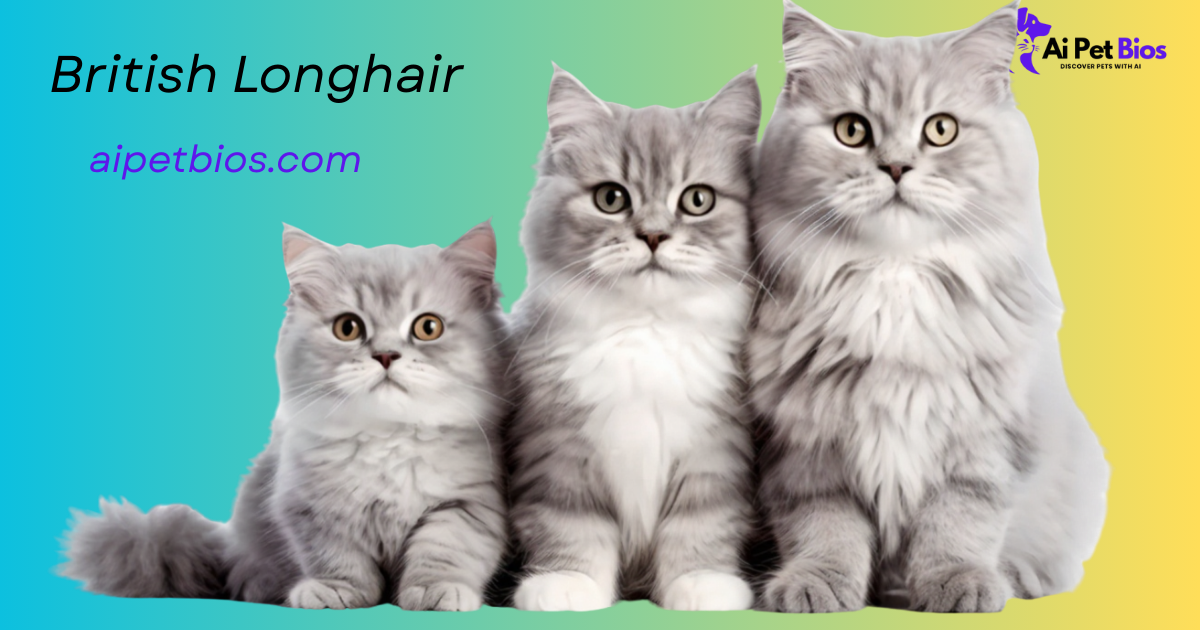
The British Longhair represents an exquisite variation of the beloved British Shorthair breed, distinguished by its luxuriously long, flowing coat and elegant demeanor. These magnificent felines combine the calm, balanced temperament of their shorthair cousins with the striking appearance of a longhaired breed, creating a uniquely appealing package.
Originally developed by breeders seeking to enhance the British Shorthair’s aesthetic appeal through selective breeding for coat length, the British Longhair emerged as a stunning feline that captures hearts instantly. With their plush double coats, round faces, and serene expressions, these cats epitomize feline elegance and sophistication.
Whether you’re exploring British Longhair kittens for sale, researching the British Longhair price, or simply curious about what makes this breed extraordinary, this comprehensive guide covers every essential aspect of British Longhair ownership, care requirements, and characteristics that make them remarkable companions worthy of serious consideration.
8 Remarkable Traits That Make British Longhair Cats Exceptional Companions
Understanding the distinctive characteristics that define the British Longhair breed helps potential owners make informed decisions. Here are eight remarkable traits that showcase why these cats are exceptional feline companions:
1. They Feature Luxuriously Long, Flowing Coats
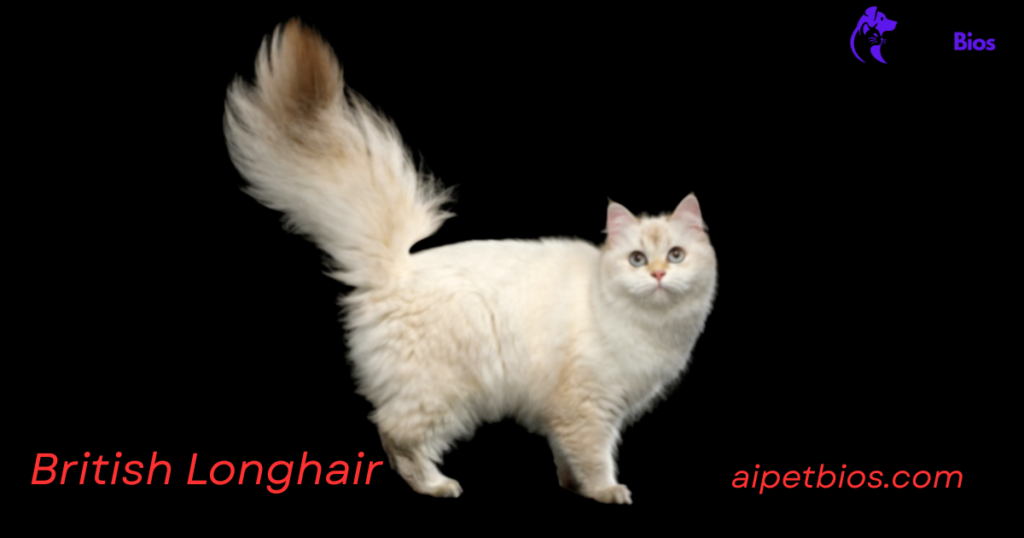
The British Longhair distinguishes itself primarily through their magnificent semi-long to long coat that flows beautifully when they move. Unlike the plush but short double coat of their British Shorthair relatives, the British Longhair displays longer guard hairs that create a distinctive silhouette and luxurious appearance.
The coat’s length ranges from semi-long to genuinely long depending on individual genetics and breeding, creating an elegant halo effect around their substantial bodies. This remarkable coat texture feels incredibly soft and dense, representing one of the breed’s most defining and visually striking characteristics that immediately captures attention.
The double-layered coat structure provides superior insulation and protection while requiring dedicated grooming maintenance to prevent matting and tangles. The coat comes in numerous color variations including classic blue-grey, striking black, pure white, warm orange and cream tones, and beautiful lilac colorations.
Some individuals display tabby patterns, bicolor combinations, or color-pointed variations, expanding the aesthetic diversity within the breed and allowing owners to select cats matching personal preferences.
2. They Possess Impressive Facial Structure and Expression
The British Longhair inherits the distinctly round face characteristic of British cats, featuring full cheeks and a gentle, intelligent expression that appeals to cat lovers worldwide.
Their large, round eyes display various colors from brilliant copper and gold to striking green and blue hues, creating a captivating gaze that seems to convey understanding and emotional awareness.
The short, straight nose sits symmetrically on their broad face, contributing to their distinctive teddy bear-like appearance that makes them instantly recognizable and undeniably appealing.
The combination of their round facial structure with their flowing coat creates an almost lion-like appearance in larger males, despite their gentle nature.
This impressive facial structure paired with their calm demeanor creates an expression suggesting wisdom, patience, and gentle observation of the world around them. Their small-to-medium ears set well apart on their head contribute to their distinctive silhouette and add to their overall charm and appeal.
3. They Display Substantial Body Size and Weight
The British Longhair size typically exceeds that of many other domestic cat breeds, with males often reaching impressive proportions. These cats generally weigh between 5-9 kilograms (11-20 pounds), with some exceptional individuals exceeding standard ranges through careful selective breeding for larger frame sizes.
Females typically range from 4-6 kilograms (9-13 pounds), while males command the upper ranges of British Longhair size specifications. Their substantial build combines muscular development with robust bone structure, creating strong, capable felines that project presence and solidity.
Despite their impressive size, British Longhair cats maintain graceful movement and elegant carriage that belies their weight. Their proportional bodies, sturdy legs, and thick tails contribute to their balanced silhouette and impressive appearance. This substantial size appeals to people preferring larger, more substantial feline companions, distinguishing them from smaller, more delicate breeds.
Their size also makes them excellent for families seeking cats with presence and commanding personalities that feel more like interactive family members than small household accessories.
4. They Come in Stunning Color Variations
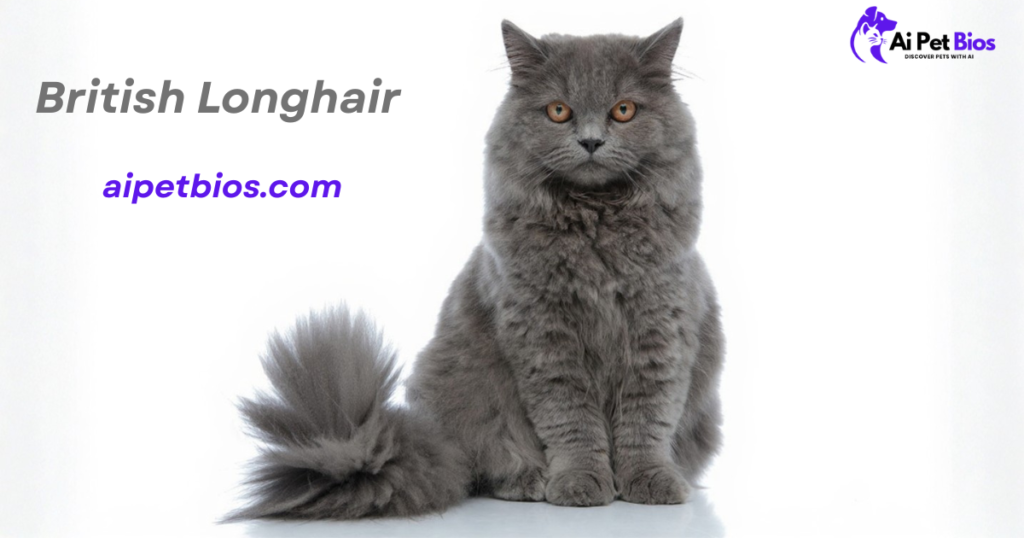
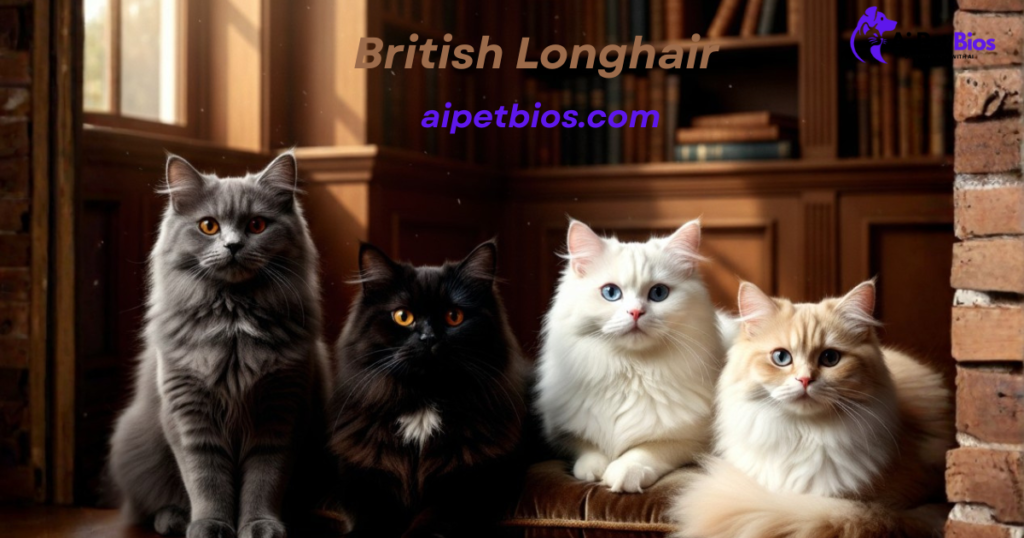
The British Longhair displays remarkable color diversity rivaling that of many other feline breeds. The British Longhair blue represents the most iconic coloration, featuring beautiful grey tones ranging from pale silver to deep slate that complement their round faces and flowing coats perfectly.
A British Longhair black displays sleek, lustrous ebony coloring that demands consistent grooming to maintain its sheen and beauty. The British Longhair white showcases pristine ivory coloring that creates striking contrast with their substantial dark eyes and round faces.
Additional color variations include the British Longhair grey displaying various shades of grey-blue, warm orange and cream tones providing golden hues, chocolate and lilac colorations creating softer appearances, and various tabby patterns and bicolor combinations expanding visual diversity.
A golden british shorthair inspired coat on a longhaired British Longhair creates particularly stunning results, with warm, honeyed tones that photograph beautifully and appeal to aesthetically-conscious owners. The color diversity within the breed means potential owners can find specimens matching their personal aesthetic preferences and home environments.
5. They Maintain Calm, Balanced Personalities
The British Longhair inherits the legendary calm temperament of their British Shorthair ancestors, displaying serene demeanors that rarely exhibit frenetic energy or excessive demands. These cats approach life thoughtfully rather than reactively, maintaining steady composure in novel situations and changing circumstances.
Their balanced personalities make them excellent companions for diverse household situations—from busy professional homes to quiet, peaceful environments—providing stable, reliable companionship without excessive neediness or demanding behaviors.
These cats enjoy human interaction and genuine connection with their families while respecting personal boundaries and entertaining themselves effectively during solitary periods. They form meaningful attachments to family members over time, showing affection through subtle gestures like slow blinks, gentle head-rubs, and choosing to rest nearby during quiet moments.
Their calm nature makes them particularly suitable for households with children, other pets, and busy schedules, as they rarely exhibit stress or behavioral issues related to environmental changes.
6. They Balance Independence With Affection
Despite their independent streaks and capacity for self-entertainment, the British Longhair forms surprisingly deep bonds with their human families. These cats observe their humans carefully and develop individual relationships with each family member, showing preferences in interaction styles and affection displays.
Some prefer cuddling, while others enjoy sitting nearby without physical contact, demonstrating flexibility that appeals to people with varying interaction preferences.
The British Longhair male often displays particularly strong bonds with family members, becoming devoted companions who follow their humans through daily routines and participate in household activities.
They seek attention on their own terms rather than demanding constant interaction, creating balanced relationships where both cat and owner feel valued and appreciated. Over their extended lifespans of 12-17+ years, these bonds deepen through shared experiences, consistent routines, and reciprocal affection, creating lasting relationships that enrich both parties’ lives immeasurably.
7. They Require Dedicated Grooming and Maintenance
The luxurious coat that defines the British Longhair demands consistent, dedicated grooming to maintain its health, appearance, and beauty. Regular brushing 3-5 times weekly prevents matting, reduces shedding around homes, and keeps their coat luscious and flowing. During shedding seasons, daily brushing becomes essential for managing the increased hair loss and maintaining coat health.
This grooming requirement represents a genuine commitment that rewards owners with beautiful, healthy cats and strengthens bonds through interactive grooming sessions.
Proper grooming tools including slicker brushes, metal combs, and deshedding implements help manage their dense coats effectively. Many owners find that investing time in grooming creates meaningful bonding opportunities, allowing them to assess their cat’s overall health while maintaining coat condition.
The grooming process enables early detection of skin issues, parasites, lumps, or other health concerns requiring veterinary attention. For owners willing to commit to regular grooming, the reward is a beautiful, healthy cat with a luxurious coat that photographs beautifully and attracts admiration.
8. They Offer Exceptional Companionship Value
The British Longhair price represents an investment in long-term companionship, with British Longhair kittens for sale from reputable breeders typically ranging from $800 to $2,500+ USD.
This premium pricing reflects careful breeding programs, health screening, genetic testing, and responsible breeder practices that prioritize kitten welfare and health outcomes. British Longhair price varies based on pedigree quality, breeder reputation, color selection, and regional factors affecting supply and demand across different markets.
The extended lifespan of 12-17+ years means this initial investment provides exceptional long-term value when calculated across the years of companionship, joy, and meaningful interaction these remarkable cats provide.
Many owners report that their British Longhair cats become irreplaceable family members, justifying the financial investment through years of love, loyalty, and unconditional affection. The decision to welcome one of these magnificent cats requires commitment to grooming, quality nutrition, veterinary care, and genuine emotional engagement, but the rewards far exceed the investments required.
Quick Facts Table
| Attribute | Details |
| Origin | Great Britain (from British Shorthair) |
| Lifespan | 12-17+ years |
| Weight | 4-9 kg (9-20 lbs) |
| Coat Type | Semi-long to long, dense, plush |
| Common Colors | Blue, black, white, cream, orange, lilac |
| Eye Colors | Copper, green, blue, gold |
| Temperament | Calm, independent, affectionate |
| Activity Level | Moderate |
| Grooming Needs | 3-5 times weekly minimum |
| Average Price | $800-$2,500+ USD |
Origin & History
Development from British Shorthair Ancestry
The British Longhair emerged as a natural extension of the British Shorthair breed when breeders began selectively breeding for longer coat lengths while maintaining the distinctive breed characteristics.
Rather than developing an entirely new breed from scratch, dedicated breeders worked to enhance the British Shorthair’s aesthetic appeal by introducing longer coat genes through careful genetic selection. This developmental approach ensured that British Longhair cats retained the calm, balanced temperament and distinctive facial features of their shorthair cousins while acquiring the luxurious coat that makes them visually stunning.
The breeding programs began in earnest during the mid-20th century as breeders recognized the appeal of combining British Shorthair characteristics with longer, more flowing coats.
Early breeding efforts involved crossing British Shorthairs with longhaired cats, gradually refining the breed over generations to achieve consistent coat length, density, and overall aesthetic appearance. The careful selection process maintained the breed’s essential British characteristics while achieving the luxurious appearance that defines the modern British Longhair.
Recognition and Breed Standardization
The British Longhair gradually gained recognition from major breed registries and cat fancier organizations as breeding programs produced consistent, predictable results. Various cat associations including The International Cat Association (TICA) and national breed clubs established formal breed standards detailing acceptable characteristics, color variations, and physical specifications.
These standards helped legitimize the breed and provided guidelines for responsible breeding programs committed to maintaining breed integrity and health.
By the late 20th and early 21st centuries, the British Longhair had achieved widespread recognition and popularity among cat enthusiasts globally. The breed attracted dedicated breeders committed to improving health outcomes, expanding color varieties, and promoting the breed to prospective owners.
Modern breeding programs continue emphasizing genetic diversity, health screening, and ethical practices that prioritize cat welfare while advancing the breed’s development and popularity worldwide.
Global Popularity and Modern Status
Today, the British Longhair enjoys substantial popularity across multiple continents, with dedicated breeders and enthusiast communities in Europe, North America, Asia, and other regions.
The breed’s calm temperament, stunning appearance, and exceptional companionship qualities have made it increasingly popular among diverse demographic groups. British Longhair kittens for sale from reputable breeders maintain strong demand, often with waiting lists of prospective owners eager to welcome these magnificent cats into their homes.
The breed continues evolving as breeders expand color varieties, refine physical characteristics, and improve health outcomes through responsible breeding practices.
Modern British Longhair cats represent the culmination of decades of selective breeding aimed at creating exceptional feline companions that combine beauty, temperament, and genetic health. The breed’s growing popularity reflects increasing recognition of their distinctive qualities and exceptional value as long-term family companions.
Physical Characteristics
Distinctive Coat Features and Texture
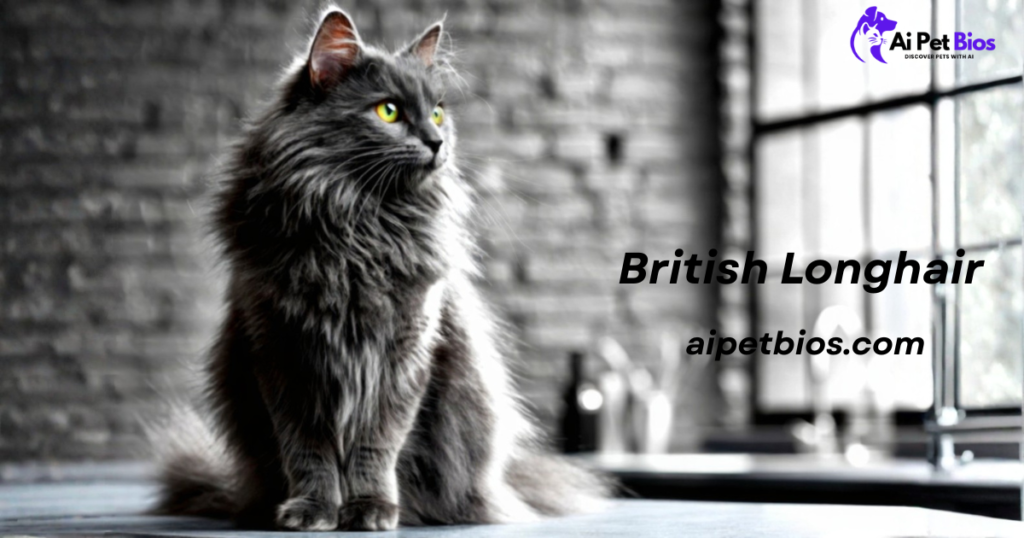
The defining characteristic of the British Longhair is their magnificent coat—semi-long to long in length with remarkable density and luxurious texture. The double-layered structure includes a soft, dense undercoat overlaid with longer guard hairs that create the breed’s distinctive flowing appearance.
Unlike some longhaired breeds with silky, flat coats, the British Longhair coat stands away from the body due to its density, creating volume and presence that makes these cats appear even larger than they actually are.
The coat texture feels incredibly soft and plush when touched, rewarding owners with tactile pleasure during petting and grooming sessions. The density varies somewhat between individual cats based on genetics, season, and care, but quality British Longhair cats consistently display impressive coat fullness and luster.
The coat’s length proves particularly impressive around the face and ears, creating a distinctive mane-like appearance especially prominent in larger males. The tail displays particular magnificence when fully coated, flowing gracefully as these cats move through their environments.
Size and Physical Build
The British Longhair size represents one of the breed’s most impressive characteristics, with substantial, muscular builds that project presence and solidity. Males typically reach impressive proportions, often weighing 7-9 kilograms (15-20 pounds) or potentially exceeding these ranges in particularly large individuals.
Females generally range from 4-6 kilograms (9-13 pounds), maintaining solid builds while remaining somewhat smaller than their male counterparts. This substantial British Longhair size appeals to people preferring larger, more significant feline companions.
Despite their impressive weight and bulk, British Longhair cats maintain graceful, elegant movement that belies their physical substance. Their sturdy legs support their weight effectively, and their proportional builds ensure they move comfortably and naturally.
The British Longhair male particularly showcases impressive muscular development when properly cared for and maintained, representing the pinnacle of feline masculinity in appearance. Their robust bone structure and substantial builds make them less prone to certain health issues affecting smaller, more delicate breeds, contributing to their generally robust health profiles.
Color Variations and Patterns
The British Longhair displays remarkable color diversity that rivals many other feline breeds in variety and beauty. The British Longhair blue represents the most iconic and recognizable coloration—a beautiful grey ranging from pale silver to deeper slate tones that complement their round faces and flowing coats perfectly.
This blue coloration appears classic, elegant, and timeless, making blue-coated British Longhair cats among the most photographed and admired members of the breed.
A British Longhair black displays sleek, lustrous ebony coloring that requires dedicated grooming to maintain its shine and visual impact. The British Longhair white showcases pristine ivory coloring creating striking contrast with their round faces and substantial eyes.
The British Longhair grey displays various grey-blue shades offering softer appearances than darker colorations. Additional colors include warm orange and cream tones, chocolate and lilac colorations providing softer, more delicate appearances, and various tabby patterns and bicolor combinations that expand the breed’s aesthetic diversity considerably.
Personality & Temperament
Calm and Serene Nature
The British Longhair inherits the legendary calm temperament that defines British cats, displaying serene demeanors that rarely exhibit excessive energy or reactive behaviors. These cats approach life thoughtfully, observing situations carefully before responding, which makes them remarkably adaptable to diverse environments and living situations.
Their steady, unflappable nature provides stability to household dynamics, and their calm presence seems to soothe tensions and promote peaceful coexistence among family members. For additional insights into feline behavior, explore our Understanding Cat Behavior and Communication guide.
Their quiet confidence demonstrates itself through relaxed body language, slow blinks expressing trust, and deliberate movements reflecting their composed outlook. Unlike breeds prone to anxiety or stress-related behaviors, the British Longhair maintains emotional equilibrium even during household disruptions or changes.
This remarkable composure makes them ideal companions for people seeking cats who won’t display nervous or anxious behaviors that can stress human family members and create household tension.
Independence and Self-Entertainment
The British Longhair displays admirable independence, contentedly entertaining themselves with toys, climbing structures, and quiet observation without demanding constant human attention. These cats possess sufficient intelligence and curiosity to keep themselves mentally stimulated during solitary periods, reducing the likelihood of boredom-related behavioral issues.
They’re equally comfortable being near family members while everyone pursues separate activities, offering silent companionship without insistent demands or attention-seeking behaviors.
This independence makes them excellent choices for busy households where owners work long hours or have demanding schedules that prevent constant cat interaction.
The British Longhair won’t develop separation anxiety or destructive behaviors if left alone appropriately, instead remaining calm and content until their humans return home. They entertain themselves through window watching, toy play, and comfortable rest periods, demonstrating maturity and self-sufficiency that appeals to independent-minded owners.
Affection and Bonding
Despite their independent streaks, the British Longhair forms meaningful attachments to family members, showing genuine affection and loyalty over time. These cats observe their humans carefully and develop individual relationships with different family members, showing distinct preferences in interaction styles.
Some enjoy being held and cuddled, while others prefer sitting nearby without physical contact, demonstrating flexibility in how they express and receive affection.
The British Longhair male often develops particularly strong bonds with primary caregivers, becoming devoted companions who follow their humans throughout daily routines and participate enthusiastically in household activities. They show affection through subtle gestures—slow blinks indicating trust, gentle head-rubbing marking their humans as family, and choosing to rest near their favorite people.
These affectionate behaviors, while not as demanding as some breeds, create genuine connections that deepen over years of shared experiences.
Diet & Feeding Guide
Nutritional Requirements for Optimal Health
A healthy British Longhair requires well-balanced nutrition rich in high-quality animal proteins, essential amino acids, and vital nutrients supporting their substantial frames and long, luxurious coats. Cats are obligate carnivores, meaning their digestive systems evolved to process and derive energy primarily from animal-based proteins.
Commercial cat foods formulated specifically for adults ensure consistent nutritional requirements are met when selected from quality brands committed to premium ingredients. For comprehensive nutrition guidance, consult our Complete Cat Nutrition Guide: Feeding Your Feline Properly.
Quality protein should comprise at least 30-40% of their diet, with animal-based sources providing superior nutritional value compared to plant-based alternatives. Fat provides essential fatty acids critical for maintaining skin health and supporting their gorgeous coat’s luster, density, and appearance.
Appropriate calcium and phosphorus ratios support skeletal health throughout their lives, particularly important given their substantial size. Vitamins and minerals including taurine, vitamin A, and vitamin E support heart health, vision, and overall physiological function.
Feeding Schedule and Portion Guidelines
For Adult British Longhairs:
- Feed 1-2 meals daily based on individual metabolism, activity level, and body condition
- Portion sizes typically range from 1/2 to 3/4 cup dry food per day
- Alternatively, provide appropriate wet food portions as recommended on packaging
- Ensure fresh, clean water is always available in multiple locations
- Monitor weight regularly to prevent obesity that can develop in less active cats
- Adjust portions based on individual body condition and veterinary recommendations
For Kittens and Young Cats:
- Provide 3-4 meals daily until approximately 6 months of age to support growth
- Transition gradually to adult food over a 7-10 day period to prevent digestive upset
- Specialized kitten formulas support optimal growth and development
- Ensure adequate calorie intake to fuel energy-intensive growth and play
Special Dietary Considerations
Some British Longhair individuals may have sensitive digestive systems requiring careful food selection and quality brands. Trial-and-error with different premium formulations helps identify optimal nutrition for individual cats.
Obesity represents a concern in less active cats, making portion control and regular exercise important for maintaining healthy weight. Consult veterinarians about appropriate portion sizes and feeding schedules specific to individual cats’ needs and activity levels.
Quality nutrition directly impacts coat health and appearance, making premium food choices worthwhile investments for owners committed to maintaining their cats’ luxurious coats. Proper hydration proves equally important, as many cats drink insufficient water naturally, making wet food or water fountains valuable additions to daily nutrition routines.
Grooming & Maintenance
Coat Care Requirements and Techniques
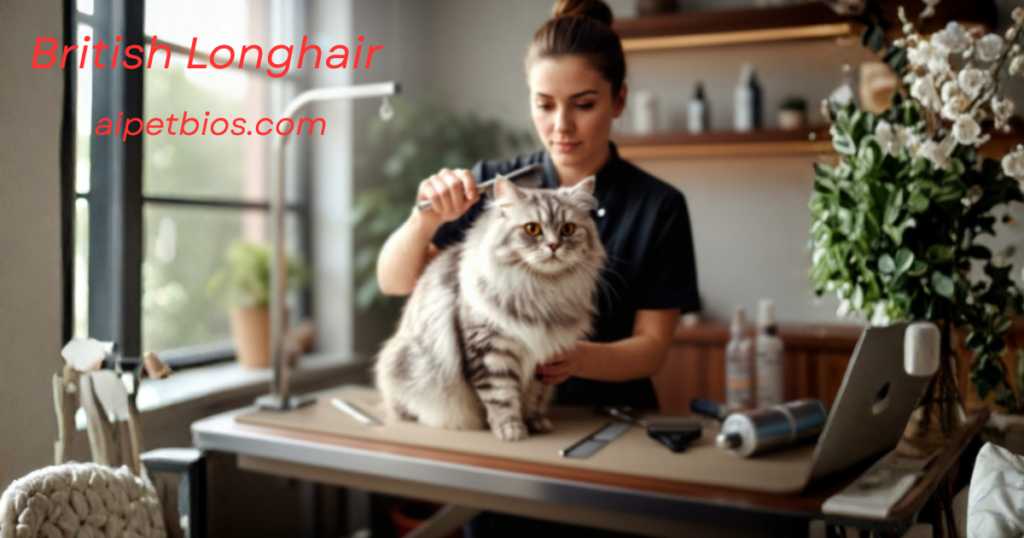
The luxurious coat that defines the British Longhair demands consistent, dedicated grooming to maintain its health, appearance, and beauty. Regular brushing 3-5 times weekly with appropriate tools prevents matting, reduces shedding around homes significantly, and keeps their coat luscious, flowing, and beautiful.
During heavy shedding seasons in spring and autumn, daily brushing becomes essential for managing increased hair loss and maintaining optimal coat condition.
Using proper grooming tools—including slicker brushes designed for long-haired cats, metal combs, and deshedding implements—helps manage their dense coats effectively without damaging guard hairs.
Brushing technique matters significantly; gentle, deliberate strokes following coat direction prove most effective. Many owners find professional grooming services helpful during peak shedding seasons, though home grooming provides excellent bonding opportunities and proves more economical for regular maintenance.
Complete Grooming Routine Components
Weekly Grooming Tasks:
- Brush coat thoroughly with appropriate tools to remove loose fur and prevent mats
- Check and gently clean ears with damp cotton balls to prevent infections
- Examine eyes for discharge, redness, or other abnormalities requiring attention
- Inspect paws and check between toe pads for debris or potential problems
- Assess overall skin condition and look for unusual bumps or areas of concern
Monthly Grooming Tasks:
- Trim nails if they don’t naturally wear down through normal activity
- Brush teeth several times weekly to prevent dental disease progression
- Bathe if necessary, though most British Longhair cats rarely require baths
- Perform thorough health assessment while grooming, noting any physical changes
Seasonal Grooming Adjustments:
During heavy shedding seasons, increase brushing frequency and consider specialized deshedding treatments or tools designed to remove loose undercoat efficiently. Some owners schedule professional grooming during peak shedding to manage hair loss effectively and maintain home cleanliness.
Common Health Concerns
Breed-Specific Health Considerations
The British Longhair generally represents a robust, healthy breed, though certain health conditions may appear more frequently than in general cat populations. Awareness of these conditions enables early detection and appropriate management. Being informed doesn’t guarantee your cat will develop these issues, but understanding potential risks supports preventive care and proactive monitoring.
Hypertrophic Cardiomyopathy (HCM):
This heart condition involves thickening of the heart muscle and can develop without obvious symptoms. Reputable breeders screen breeding cats through ultrasound, reducing prevalence in offspring. Annual veterinary check-ups should include cardiac assessment, particularly as cats age beyond 5 years.
Polycystic Kidney Disease (PKD):
Though less common in this breed than others, PKD can affect some British Longhair individuals. This genetic condition involves development of kidney cysts that gradually impair function. Genetic testing can identify carriers, allowing breeders to prevent transmission to offspring.
Obesity-Related Issues:
The breed’s calm nature and moderate activity levels can contribute to weight gain without proper management. Obesity increases risk of diabetes, joint problems, and cardiovascular disease. Maintaining appropriate weight through balanced diet and regular play prevents these complications.
Dental Disease:
Like all cats, British Longhair can develop dental problems if oral hygiene isn’t maintained. Regular brushing and professional cleanings prevent costly procedures and health complications.
Training & Care Tips
Interactive Play and Enrichment Activities
The British Longhair benefits from consistent playtime and mental enrichment despite their moderate activity levels. Interactive toys, puzzle feeders, and climbing structures provide necessary stimulation and prevent boredom-related behavioral issues.
Daily play sessions of 15-20 minutes satisfy their exercise needs while strengthening bonds with their humans and promoting physical fitness. Visit our Interactive Cat Enrichment Activities for Indoor Cats guide for detailed enrichment strategies.
Wand toys mimicking prey movements particularly appeal to British Longhair cats, activating their hunting instincts in healthy ways. Rotating toys regularly maintains novelty and sustained interest.
Window perches provide entertainment and mental stimulation through bird watching and outdoor observation, offering free enrichment that these cats find endlessly fascinating and engaging.
Litter Box Management
Provide at least one litter box per cat plus one additional box, placing them in different locations around your home for accessibility. Most British Longhair cats naturally use litter boxes with minimal training, as this behavior comes naturally to felines. Scoop litter boxes daily and change litter completely weekly to maintain hygiene and encourage consistent use.
Some cats prefer specific litter types or box styles, so experimentation helps identify individual preferences. Most appreciate larger boxes accommodating their substantial builds and providing space for comfortable bathroom activities. Covered boxes work well for privacy-minded cats, though some prefer open designs for easy entry and exit without restriction.
Claw Management
Provide multiple scratching posts throughout your home to satisfy natural scratching behaviors and protect furniture from damage. Vertical scratchers appeal to climbing instincts while satisfying claw-maintenance needs effectively.
Trimming nails every 2-3 weeks maintains foot health and prevents overgrowth causing discomfort. Nail caps offer another option for protecting furniture while allowing natural scratching behaviors.
Pros and Cons: Balanced Perspective
Advantages of British Longhair Ownership
Stunning Appearance: Absolutely beautiful, luxurious coat that photographs beautifully
Calm Temperament: Serene demeanor without excessive demands or neediness
Exceptional Longevity: 12-17+ year lifespan provides extended companionship
Balanced Personality: Independence combined with genuine affection
Adaptability: Thrive in various living environments and household situations
Low Vocalization: Quiet cats suitable for peaceful home environments
Health Robustness: Generally healthy breed with fewer genetic issues
Excellent Companions: Meaningful bonds without overwhelming neediness
Disadvantages to Consider
Grooming Demands: Requires 3-5 times weekly brushing; heavy commitment
Shedding: Significant hair loss during shedding seasons requires frequent cleaning
Premium Price: Higher upfront British Longhair price than many alternatives
Health Screening Costs: Reputable breeders require veterinary health checks
Space Requirements: Their larger size needs adequate room for movement
Potential Obesity: Calm nature can lead to weight gain without proper management
Specific Care Needs: Require quality food and consistent veterinary attention
Time Investment: Grooming and care require genuine time commitment
Is a British Longhair Right for You?
Ideal Owner Profile and Lifestyle Fit
A British Longhair suits you if you:
- Appreciate luxurious beauty combined with calm companionship
- Have time for consistent grooming 3-5 times weekly
- Prefer quiet cats with moderate activity levels
- Can afford premium British Longhair price and quality care
- Want a substantial, impressive-looking feline companion
- Have stable household environments suited to their needs
- Enjoy grooming as bonding opportunity rather than chore
- Can commit to 12-17+ years of responsibility
Consider alternatives if you:
- Prefer highly active, demanding cats requiring constant interaction
- Have limited time for regular grooming sessions
- Seek the most budget-friendly cat option available
- Need low-maintenance cats requiring minimal care
- Have very young children requiring exceptionally tolerant pets
- Cannot afford premium veterinary care and quality food
- Require completely independent cats without affection needs
- Have severe cat allergies or sensitivities
Frequently Asked Questions about British Longhair Cats
Are British Longhair cat good pets?
The British Longhair makes excellent pets for the right owners and household situations. Their calm, balanced temperament combined with genuine affection creates ideal companionship for people seeking meaningful feline relationships without excessive demands.
They adapt well to various living environments, coexist peacefully with other pets and children when properly socialized, and provide stable, reliable companionship throughout their extended lifespans.
Their intelligence and trainability allow them to learn household routines and respond to basic commands. However, they require dedicated grooming commitment, quality nutrition, and veterinary care, making them better suited for owners willing to invest time and resources in proper care.
For people valuing beauty, calm companionship, and meaningful bonds, British Longhair cats represent excellent pet choices that provide immeasurable joy and enrichment.
How much do British Longhair cats cost?
The British Longhair price varies based on multiple factors including breeder reputation, pedigree quality, color selection, and geographic location. British Longhair kittens for sale from reputable breeders typically range from $800 to $2,500+ USD, with some exceptional show-quality cats commanding even higher prices.
Factors affecting British Longhair price include health screening certifications, genetic testing results, breeding accomplishments, and breeder experience. Regional variations mean prices differ across countries and regions based on local market conditions and demand levels.
When evaluating British Longhair price, consider it an investment in long-term companionship rather than merely an upfront expense. Quality breeders who charge premium prices typically invest heavily in health screening, genetic testing, proper nutrition, socialization, and veterinary care—investments that pay dividends through healthier, better-adjusted kittens that experience fewer health problems throughout their lives.
Is a British Longhair a Persian?
The British Longhair and Persian represent distinct breeds with different origins, characteristics, and care requirements, though both feature long, luxurious coats.
The British Longhair descends directly from the British Shorthair, maintaining the round face and calm temperament of that breed while acquiring longer coat through selective breeding. Persians originate from Persia (modern-day Iran) and feature distinctly different facial structures including pronounced flat faces and shorter noses requiring specialized care.
Persian cats require more intensive grooming and face-specific cleaning to prevent health issues, while British Longhair cats need regular grooming but don’t face the facial structure challenges Persians encounter. The British Longhair displays more activity and independence than typical Persians, which tend toward more sedentary lifestyles. While both make excellent companions, they represent separate breeds with distinct characteristics, care requirements, and historical backgrounds warranting different evaluation and care approaches.
Is British Longhair a lap cat?
The British Longhair demonstrates variable lap cat tendencies depending on individual personality and upbringing rather than consistent breed-wide behavior. Some individuals genuinely enjoy sitting on laps and being held, while others prefer sitting nearby without physical contact, maintaining their independence while enjoying companionship.
Early socialization and consistent, gentle handling increase the likelihood of lap cat behavior, though individual personalities vary significantly. These cats show affection on their own terms rather than fitting a predetermined pattern, making them appealing to owners who respect feline autonomy. Generally, they’re more likely to sit beside you while you work, rest nearby during quiet moments, or seek attention on their own schedule than constantly demand lap time.
Their moderate size makes lap-sitting physically comfortable when they choose it, though forcing lap behavior against their inclination can create stress. Prospective owners should expect variability in lap cat behavior rather than assuming all British Longhair cats will constantly seek lap time.
Conclusion
The British Longhair represents an exceptional breed combining stunning physical beauty, calm temperament, and genuine affection in a package that appeals to diverse cat lovers worldwide. From their legendary British origins to their modern status as beloved companions across continents, these magnificent felines continue captivating new generations of enthusiasts.
Their distinctive luxurious coats, round faces, and serene demeanor create an almost irresistible appeal transcending cultural boundaries and personal preferences.
Whether you’re exploring British Longhair kittens for sale, researching the British Longhair price, or evaluating whether this breed aligns with your lifestyle, this comprehensive guide provides detailed insights into what makes these cats truly remarkable. Understanding their personality, grooming requirements, health considerations, and individual care needs empowers informed decisions about whether a British Longhair represents the right choice for your household and circumstances.
The investment in adopting or purchasing a British Longhair extends far beyond initial British Longhair price considerations. These cats provide 12-17+ years of companionship, beauty, and quiet joy enriching lives in immeasurable ways.
If you value elegance, calm stability, meaningful feline companionship, and are willing to commit to dedicated grooming and quality care, the British Longhair may be your perfect match. Taking time to research reputable breeders, understand breed-specific requirements, and prepare your home appropriately ensures successful, rewarding relationships with these remarkable animals.
Disclaimer:
This article provides informational content about the British Longhair breed for educational purposes only. Always consult with veterinarians for health concerns, breed-specific questions, or medical advice. This article should not be considered professional veterinary or behavioral advice.
All breed information reflects current breed standards, though individual cats may vary in appearance and temperament. Conduct thorough research and work with ethical, reputable breeders when seeking British Longhair kittens for sale.
Individual cats’ needs, preferences, and characteristics vary significantly, requiring personalized care approaches.
[instant_emoji_reactions]

Want Popular On Google? | Lust Quality Backlinks That Force-fed
I’m an SEO Expert, Guest Posting Specialist, and Web Developer helping websites increase rankings, traffic, and authority using clean, white-hat strategies 🚀
I focus on high-authority guest posts, safe backlinks, SEO-optimized content, and technically sound websites—so your site doesn’t just rank, it stays ranked.
What I help you with:
✅ SEO (On-page, Off-page & Technical)
✅ Guest Posts on Real, Relevant Sites
✅ High-Quality Link Building
✅ Keyword Research & Content Strategy
✅ SEO-Friendly Website Development
📈 No spam. No shortcuts. Only results.
👉 Need backlinks that actually work?
📩 Let’s connect: https://wa.me/+923006932631
Excellent 👍
Very informative ،