
Introduction
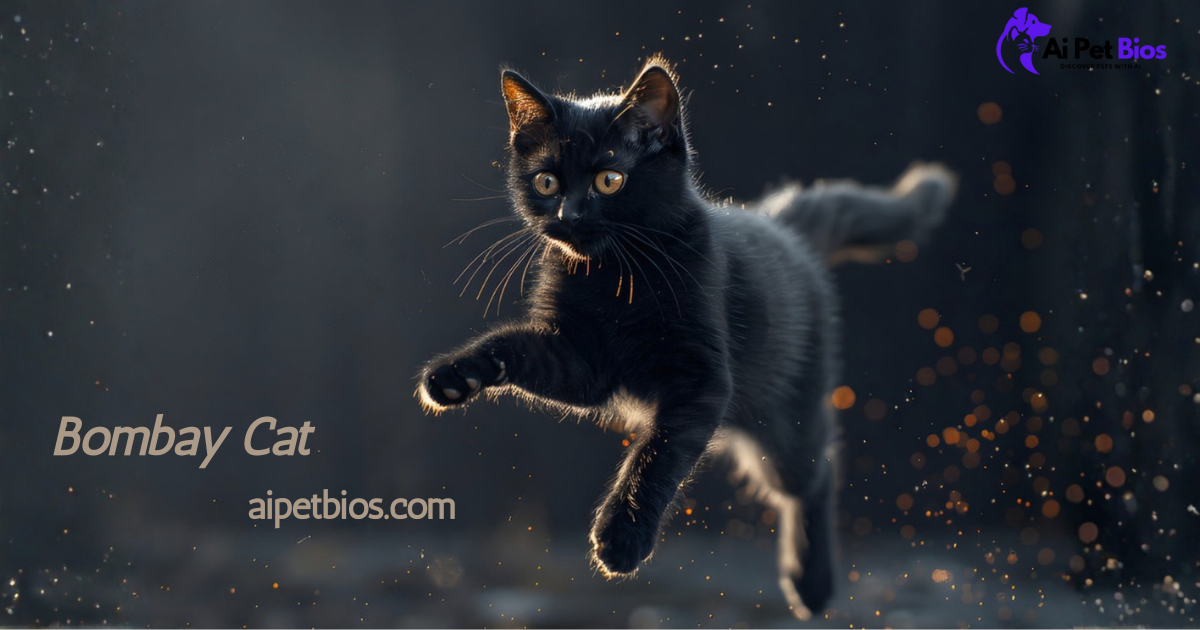
The Bombay cat represents one of the most striking and sophisticated feline companions available today. These sleek, jet-black beauties captivate cat enthusiasts with their distinctive appearance, remarkable intelligence, and engaging personalities. They combine the muscular athleticism of the American Shorthair with the sophisticated temperament of the Sable Burmese, creating an exceptional breed that stands apart from other domestic cats.
Many people confuse these felines with ordinary black domestic shorthairs, but significant differences distinguish them. Unlike random black cats that appear in shelters, this breed represents a carefully developed line with specific genetic lineage, predictable traits, and documented ancestry. It was deliberately created during the 1950s to resemble the sleek black panthers found in India, resulting in a stunning cat that combines beauty with substance.
Understanding bombay cat breed’s unique characteristics, care requirements, and personality traits ensures successful ownership. Whether you’re considering adopting a kitten or learning more about this exceptional feline, this comprehensive guide provides everything you need to know.
🔑 7 Essential Facts about These Felines Every Owner Must Know
Fact #1:
Deliberately Bred, Not Natural Black Cats This breed represents a carefully developed line created in 1950s America by crossing American Shorthairs with Sable Burmese cats. Unlike random black domestic cats, they have documented genetic lineage, breed standards, and predictable personality traits. According to the Cat Fanciers’ Association, authentic specimens must meet specific standards distinguishing them from ordinary black cats.
Fact #2:
Exceptionally Social Companions Their personality centers on remarkable affection, intelligence, and social bonding. These felines actively seek human interaction, follow owners throughout homes, and form deep attachments. Unlike aloof cat breeds, their temperament makes them ideal for families desiring interactive, devoted companions requiring daily engagement.
Fact #3:
Extended Lifespan of 12-20 Years With proper care, bombay cat typically live 12-20 years, with many individuals reaching their late teens. Proper nutrition, regular veterinary care, exercise, and environmental enrichment significantly extend longevity. This substantial time commitment requires genuine long-term dedication from owners.
Fact #4:
Medium and Manageable Size These felines typically measure 8-10 inches at the shoulder, weighing 6-11 pounds. Despite their sleek appearance, they possess muscular, athletic builds. This manageable size suits apartment living while maintaining impressive agility and jumping ability.
Fact #5:
Kitten Selection Requires Breeder Research Finding healthy specimens demands thorough breeder vetting, health testing documentation, and breed association registration. Responsible breeders screen parents for genetic conditions and provide comprehensive health guarantees. Veterinary examination before purchase protects your investment.
Fact #6:
Pricing Reflects Quality Breeding and Health Testing Specimens from reputable breeders range $500-$2,000+, reflecting deliberate breeding, health certifications, and specialized care. This substantial investment significantly exceeds shelter cat adoption costs but ensures documented genetics, health screening, and predictable temperament.
Fact #7:
Key Distinctions from Standard Black Cats Crucial differences exist between these felines and random black cats. They display distinctive copper eyes, specific facial structure, and consistent personality traits. Random black cats lack this selective breeding heritage, resulting in tremendous personality variation and unpredictable appearance traits.
Quick Facts Table | Bombay Cat
| Feature | Details |
| Breed Origin | United States (1950s) |
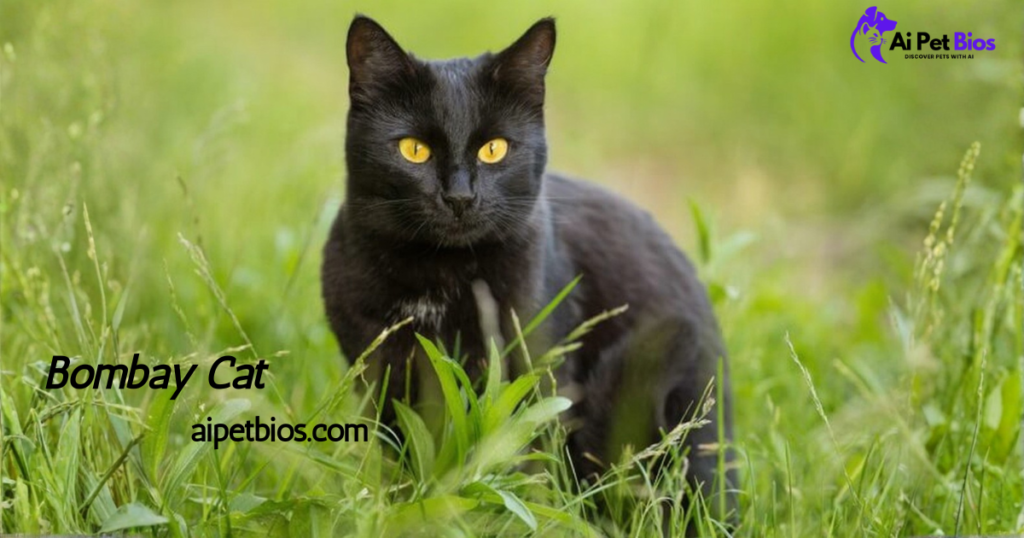
| Physical Appearance | Glossy black coat, copper eyes, muscular build |
| Weight Range | 6-11 pounds (males typically heavier) |
| Height at Shoulder | 8-10 inches |
| Lifespan | 12-20 years with proper care |
| Temperament | Affectionate, intelligent, social, playful |
| Activity Level | High energy requiring daily engagement |
| Grooming Needs | Moderate (weekly brushing recommended) |
| Shedding Level | Moderate year-round shedding |
| Dietary Needs | High-quality protein-rich cat food |
| Compatibility | Excellent with families and other pets |
| Cost Range | $500-$2,000+ from reputable breeders |
Origin and History
The Creation of This Distinctive Breed | Bombay Cat
Bombay cat feline originated during the 1950s through deliberate selective breeding. Nikki Horner, a cat breeder from Louisville, Kentucky, envisioned creating a domestic cat resembling the sleek black panthers of India. This ambitious goal led to crossing American Shorthairs with Sable Burmese cats, resulting in the distinctive breed recognized today.
The name references the city of Mumbai (formerly Bombay) in India, paying homage to the wild panthers that inspired the development. However, Bombay cats felines share no genetic connection with Indian wildcats—they are purely domestic companions developed through selective breeding.
Recognition and Breed Standards
Bombay cat breed received official recognition from the Cat Fanciers’ Association in 1976, establishing formal breed standards. The International Cat Association followed with recognition in 1979. These standards define the ideal specimen characteristics, ensuring consistency across breeding programs worldwide.
According to the CFA, “Bombay cats represent a distinctive breed requiring specific care, nutrition, and environmental considerations.” TICA similarly emphasizes that they demand experienced ownership and comprehensive understanding of breed-specific needs.
Standards specify that authentic specimens must display pure black coats without any markings, a muscular medium build, and distinctive copper-colored eyes. These specific requirements distinguish genuine felines from random black domestic cats.
Evolution of the Breed
Since initial development, breeders have refined these cats, improving health, temperament, and conformation. Modern specimens represent decades of selective breeding emphasizing intelligence, friendliness, and striking appearance. The population has expanded globally, with dedicated breeders in North America, Europe, and beyond.
Distinctions from Other Black Cat Breeds
The comparison with standard black cats reveals significant differences. These felines result from specific genetic crosses between American Shorthairs and Sable Burmese cats. Random black cats occur naturally through genetic recombination, lacking the deliberate breed development behind these specimens.
Bombay cats display more consistent personality traits than random black felines. They demonstrate predictable affection, intelligence, and social behaviors developed through generations of selective breeding. Random black cats exhibit tremendous personality variation depending on their mixed genetic backgrounds.
Physical Characteristics
Coat and Color
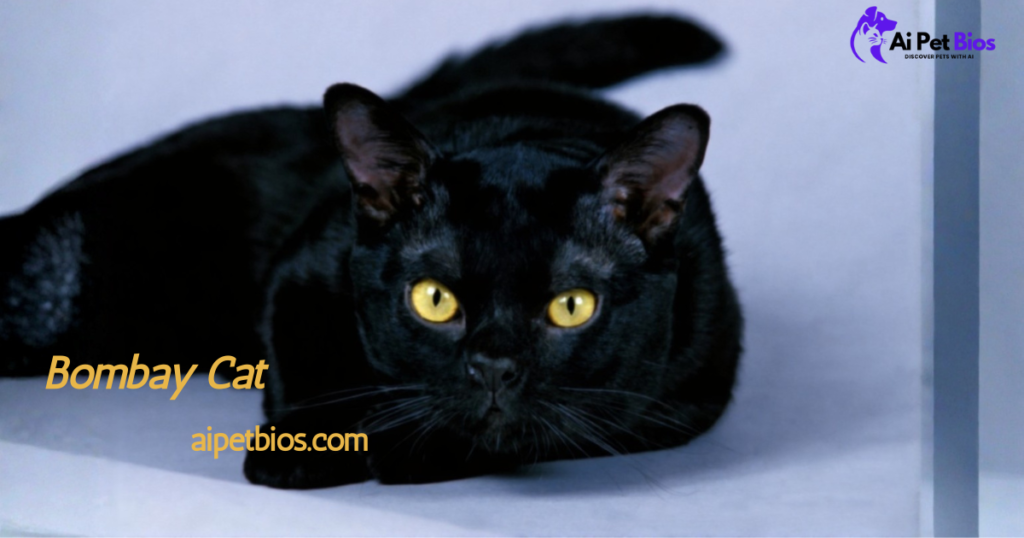
Bombay cat display a lustrous, jet-black coat that appears to gleam in sunlight. This distinctive coloring results from specific genetic expression controlled by Burmese ancestry combined with American Shorthair genes. The coat should be pure black without any white patches, spots, or other markings—these disqualify the specimen from breed standards.
The coat texture feels silky and smooth, lying close to the muscular body beneath. Regular grooming maintains the lustrous appearance and prevents matting. Unlike long-haired variants that occasionally appear (typically from breeding accidents), standard specimens sport short, manageable coats.
Eyes and Facial Features
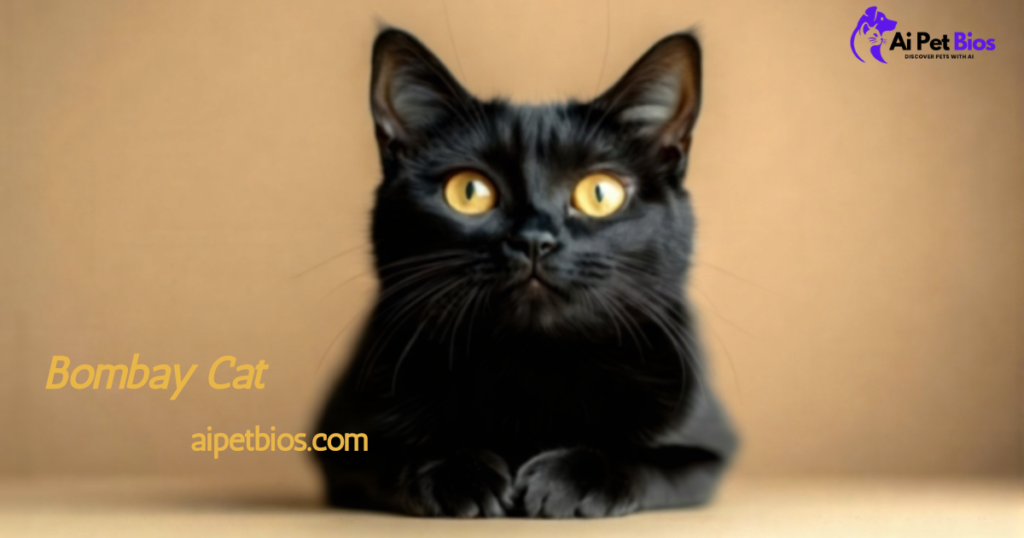
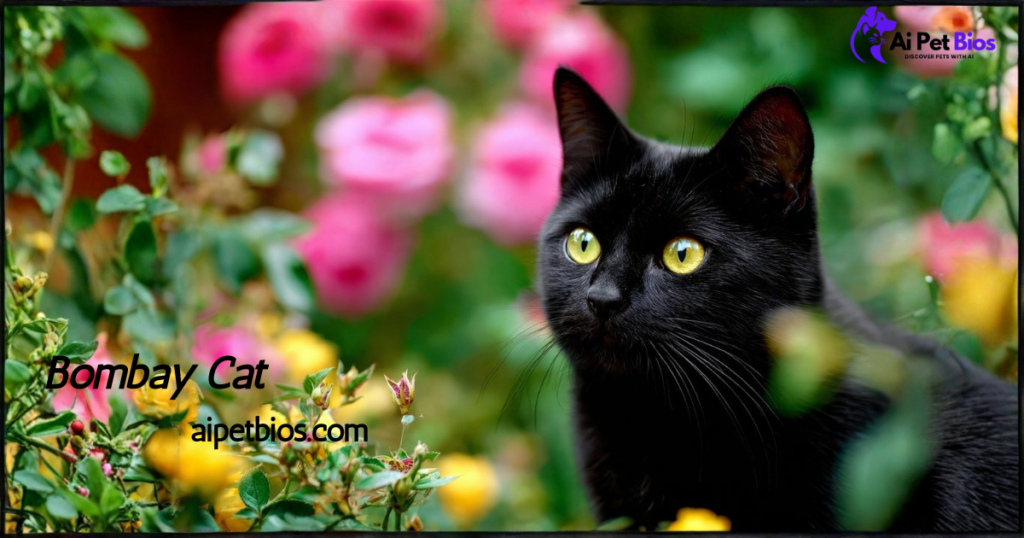
The most striking feature involves distinctive copper-colored eyes that seem to glow against the black coat. Bombay cats large, round eyes give these felines an alert, intelligent expression. Eye color should be deep copper—lighter amber eyes indicate less desirable genetics.
The face displays a round head with a medium-length muzzle and well-developed chin. The ears stand alert and slightly forward, contributing to an attentive expression. The facial structure creates an impression of intelligence and sophistication unavailable in random black cats.
Size and Build
Bombay cats typically measure 8-10 inches at the shoulder, making them medium-sized felines. Despite their sleek appearance, they are surprisingly muscular and solid. Males typically weigh 7-11 pounds, while females average 6-9 pounds—though individual size varies depending on genetics and nutrition.
The body displays balanced proportions with a muscular frame supporting their active lifestyle. They appear neither stocky nor overly delicate—the ideal specimen presents an athletic build capable of impressive agility and jumping ability.
Comparison with Other Breeds
Distinguishing bombay cats from black Burmese cats or black Domestic Shorthairs requires understanding breed-specific traits. They display more angular facial features than Burmese cats, reflecting American Shorthair ancestry. They present a more distinctive, recognizable appearance than random black domestic cats.
Personality and Temperament
Social and Affectionate Nature |Bombay Cat
Bombay cats demonstrate exceptional social bonding and affectionate behavior. They form deep attachments to their human families and actively seek interaction and companionship. Their personality includes a natural desire to be involved in household activities, following owners room-to-room and participating in family life.
Bombay cat demonstrate remarkable people-orientation compared to many cat breeds. They enjoy sitting on laps, sleeping beside owners, and engaging in interactive play sessions. This characteristic temperament makes them ideal companions for families seeking affectionate feline friends rather than aloof, independent cats.
Intelligence and Trainability
Bombay cats encompass exceptional intelligence rivaling many dog breeds. They learn quickly, understand cause-and-effect relationships, and respond well to positive reinforcement training. They can learn to walk on leashes, respond to recall commands, and perform tricks through consistent training.
Dr. James Chen, certified animal behaviorist specializing in feline behavior, explains: “Their temperament demonstrates measurable differences from random black cats, showing higher propensity for human bonding and interactive behavior. This consistency reflects decades of selective breeding emphasizing temperament traits.”
This intellectual capability manifests as curiosity and engagement. They require mental stimulation through puzzle toys, interactive play, and environmental enrichment. Bored specimens may develop destructive behaviors, making consistent engagement essential.
Playfulness and Energy Levels
Bombay cats display considerable playfulness and energy throughout their lives. Unlike some breeds that calm with age, they remain active and playful well into their senior years. They enjoy interactive play sessions, toy engagement, and physical challenges.
This high-energy temperament demands owners provide adequate outlets for their natural athleticism. Daily play sessions prevent behavioral problems and support physical fitness. They thrive with owners willing to engage them consistently through interactive play.
Vocalization Tendencies
Bombay cats include moderate vocalization in their communication repertoire. They communicate through soft chirps, melodic meows, and distinctive calls. They use vocalization to greet owners, request attention, and express desires. Their vocalizations remain gentler than some Asian breeds but more pronounced than silent Domestic Shorthairs.
Social Compatibility
Bombay cats make excellent multi-pet household members. They typically enjoy companionship from other cats and often coexist peacefully with dogs. This sociable temperament extends to accepting new family members, making them adaptable to changing household compositions.

Kitten Care and Development
Selecting Healthy Specimens
Finding healthy kittens requires researching reputable breeders committed to health testing and proper socialization. Responsible breeders screen parent cats for genetic conditions and provide comprehensive health guarantees for purchases.
Kittens should receive vaccinations, deworming, and veterinary health examinations before adoption. Reputable breeders provide documentation of these health measures along with registration papers.
Early Socialization
Kittens require extensive positive socialization during their first 8-12 weeks of life. Exposure to different people, environments, and stimuli during this critical period establishes confident, well-adjusted adults. Kittens from breeders prioritizing socialization typically develop superior temperaments.
Feeding Young Specimens
Young kittens require specialized kitten formulas containing elevated protein and calorie content supporting rapid growth. Feed them 3-4 times daily until 6 months of age, then transition to twice-daily feeding. High-quality kitten food ensures proper nutrition during critical developmental periods.
Litter Training and House Training
Kittens naturally understand litter box usage, requiring minimal training. Provide multiple litter boxes placed away from feeding areas. Clean boxes daily to encourage consistent use. Most specimens master litter box habits within days of adoption.
Diet and Feeding Guide |Bombay Cat
Nutritional Requirements
Bombay cats require high-quality, protein-rich diets supporting their athletic, muscular builds. Quality commercial cat foods containing 30-40% protein sustain optimal health. Look for foods listing meat as primary ingredients rather than grain-based fillers.
They thrive on varied diets incorporating both wet and dry foods. Wet food provides hydration and palatability, while quality dry kibble maintains dental health through natural chewing action. The ideal diet balances moisture content, protein levels, and essential nutrients.
Feeding Schedule and Portions
Adult specimens typically require 200-250 calories daily through two meals. Portion sizes depend on individual metabolism, activity level, and body condition. Monitor weight regularly, adjusting portions to maintain ideal body condition. Overweight cats face increased risks for diabetes, joint problems, and reduced lifespan.
Dietary Considerations
Some specimens develop sensitivities to certain ingredients, requiring limited-ingredient or novel protein diets. Watch for signs of digestive upset, skin irritation, or excessive scratching indicating dietary issues. Consult veterinarians when dietary problems emerge.
Always provide fresh, clean water. Some cats prefer running water from fountains, which encourages adequate hydration throughout the day. Proper hydration supports kidney function and overall health.
Foods to Avoid
Never feed bombay cats chocolate, onions, garlic, grapes, or raisins—these toxic substances cause serious health problems. Avoid excessive salt, artificial sweeteners, and foods containing xylitol. Raw dough and alcohol prove similarly dangerous.
Grooming and Maintenance
Coat Care Routine
The short coat requires weekly brushing maintaining health and luster. Regular brushing removes loose hair, distributes natural oils, and prevents matting. Bombay cats shed year-round, with increased shedding during spring and fall season transitions.
Use slicker brushes or metal combs for grooming. Establish grooming routines during kitten-hood, accustoming bombay cats to regular handling. Most specimens enjoy grooming once they become accustomed to the routine.
Nail Trimming
Trim nails every 2-3 weeks using cat-specific nail clippers. Long nails cause discomfort and improper claw extension. Provide scratching posts encouraging natural nail maintenance between trimming sessions. Regular nail care prevents furniture damage while maintaining comfort.
Ear and Eye Care
Check ears weekly for excessive wax, debris, or redness. Clean them gently using damp cotton balls when needed. Regular inspections prevent infections common in cats with specific ear shapes.
Inspect eyes daily, watching for discharge, cloudiness, or excessive tearing. Their distinctive copper eyes require consistent attention to maintain clear vision and detect developing problems early.
Dental Health
Brush teeth several times weekly using cat-specific toothpaste. Annual professional dental cleanings prevent serious oral disease affecting overall health. Dental problems can lead to systemic infections impacting heart and kidney function.
Common Health Concerns
Hypertrophic Cardiomyopathy (HCM)
HCM, a heart condition affecting the left ventricle, occurs in some breeding lines. According to the American Feline Medical Association (AFMA), responsible breeders should screen parent cats using cardiac ultrasounds before breeding.
Dr. Patricia Rodriguez, DVM and board-certified cardiologist, states: “HCM screening in breeding programs has significantly reduced the incidence of this condition. Prospective owners should request health testing documentation from all breeders before purchase.”
Ask breeders for health testing documentation of parent cats, including official AFMA certifications.
Craniofacial Defects
Occasionally,Bombay cats develop facial structure abnormalities including cleft palate or excessive facial shortening. Bombay catsinherited conditions emerge from recessive genes. Responsible breeding practices minimize such defects in populations.
Excessive Tearing
Some specimens experience excessive eye tearing due to facial structure variations. While not life-threatening, excessive tearing requires regular cleaning and veterinary monitoring. Keep facial hair trimmed short managing tear staining.
Obesity-Related Conditions
Specimens prone to weight gain may develop diabetes, arthritis, and other obesity-related problems. According to feline nutrition research, maintaining ideal body weight through portion control and regular exercise prevents these serious conditions. Monitor weight during annual veterinary examinations.
Training and Care Tips
Positive Reinforcement Training
Train bombay cats using positive reinforcement with treats, praise, and play rewards. They respond well to clicker training and reward-based systems. Avoid punishment-based training—they respond poorly to negative reinforcement.
Environmental Enrichment
Provide climbing structures, window perches, puzzle toys, and interactive play sessions. Rotate toys weekly maintaining novelty and engagement. They thrive with environmental complexity supporting their intelligent, active nature.
Interactive Play Sessions
Engage them daily through interactive play using feather toys, laser pointers, and ball toys. Daily play sessions lasting 20-30 minutes prevent boredom-related behavioral problems while supporting physical fitness.
Litter Box Management
Maintain clean boxes daily, placing multiple boxes throughout the home. Use clumping, unscented litter preferred by most specimens. Clean boxes prevent inappropriate elimination and maintain household hygiene.
Socialization and Handling
Expose Bombay cats to various people, environments, and situations from kitten-hood. Regular gentle handling ensures comfort with grooming, veterinary visits, and household activities. Well-socialized specimens adapt confidently to changing circumstances.
Pros and Cons of Ownership
Advantages
✅ Exceptional Affection: They form strong bonds with owners, providing devoted companionship unavailable with many breeds.
✅ Intelligence: Their remarkable problem-solving ability and trainability make them engaging, interactive companions.
✅ Striking Appearance: Their glossy black coat and copper eyes create stunning, distinctive beauty.
✅ Social Nature: They typically excel with families, children, and other pets, making them versatile household members.
✅ Playfulness: Their high energy and playfulness provide entertainment and engagement for owners.
✅ Manageable Size: Their medium build fits comfortably in apartments and smaller homes compared to larger breeds.
Disadvantages
❌ High Maintenance Interaction: They require significant daily engagement—neglect leads to behavioral problems.
❌ Expense: Acquiring specimens from reputable breeders costs $500-$2,000+, substantially more than shelter cats.
❌ Health Concerns: Genetic predispositions to certain conditions require health testing and veterinary monitoring.
❌ Potential Destructiveness: Bored, understimulated specimens may damage furniture and engage in unwanted behaviors.
❌ Not Ideal for Absent Owners: Their need for social interaction makes them unsuitable for owners frequently away from home.
Is This Breed Right for You?
Ideal Owner Profile
Bombay cats suit owners seeking affectionate, interactive feline companions. You should enjoy daily play sessions, consistent engagement, and meaningful interaction with your pet. They thrive with owners willing to provide adequate mental and physical stimulation.
Living Situation Considerations
They adapt to apartments and houses equally well, provided they receive adequate environmental enrichment and interaction. They’re suitable for families with children, single individuals, and multi-cat households. Their social nature makes them adaptable to various living situations.
Budget and Financial Planning
Budget for acquisition costs ($500-$2,000+), quality nutrition ($30-$50 monthly), veterinary care ($200-$500 annually), and supplies. Unexpected health issues may require significant veterinary expenses. Ensure financial capacity for comprehensive care.
Time and Energy Commitment
They demand 1-2 hours daily committed engagement through play, training, and interaction. If your schedule doesn’t permit regular interaction, consider less demanding cat breeds. Successful ownership requires genuine time availability.
Finding Quality Specimens for Purchase
Selecting Responsible Breeders
When searching for quality specimens, prioritize breeders conducting health testing on parent cats. Responsible breeders provide health guarantees, registration documentation, and lifetime support for purchases.
Health Certifications
Legitimate breeders offer health certifications for parent cats, documenting screening for HCM and other genetic conditions. Ask to see these certifications before purchasing kittens. Reputable breeders encourage veterinary examinations before purchase completion.
Red Flags to Avoid
Avoid breeders selling specimens without health documentation, genetic testing, or registration papers. Breeders offering multiple litters simultaneously or failing to provide references warrant caution. Extremely cheap pricing often indicates poor breeding practices.
Alternative: Rescue and Adoption
Occasionally, Bombay cats become available through breed-specific rescues or general cat shelters. Adopting rescue specimens costs less than purchasing from breeders while supporting animal welfare. Contact breed associations for rescue organization referrals.
Lifespan and Longevity
Expected Lifespan
Well-cared-for specimens typically live 12-20 years, with many reaching their late teens in good health. Individual lifespan varies depending on genetics, nutrition, exercise, and veterinary care quality. Proper care significantly extends longevity potential.
Health Management for Longevity
Maintaining ideal weight, providing quality nutrition, ensuring regular exercise, and scheduling annual veterinary examinations support extended lifespan. Detecting health issues early through preventive care dramatically impacts life quality.
Senior Cat Care
As they age, adjust care approaches supporting their changing needs. Provide softer bedding, warm resting areas, and lower climbing structures. Monitor senior specimens closely for signs of illness, adjusting nutrition and activity levels accordingly.
British Variants
Differences Between American and British Specimens
British variants represent a line developed in the United Kingdom with slight appearance and temperament variations. British breeders emphasize larger, more muscular builds compared to American lines. Both maintain the distinctive black coat and copper eyes.
British specimens display similarly affectionate temperaments with perhaps slightly more reserved personalities compared to American lines. This variation appeals to those preferring larger feline companions with subtle personality differences.
British Breeding Standards
British variants follow specific breed standards established by UK cat fancy organizations. These standards allow slight variations in size and build compared to American standards, creating distinct but compatible variants within the breed.
Long-Haired Variants
Understanding Extended Coat Variations
Occasionally, long-haired specimens appear in litters through genetic recombination or breeding accidents. These rare variants maintain the personality traits and appearance except for extended coat length. The variant remains unrecognized by major cat associations, disqualifying them from breed standards.
Care Requirements for Extended Coats
Long-haired variants require substantially more grooming than standard short-coated specimens. Daily brushing prevents matting and tangling in extended coats. The grooming commitment exceeds typical maintenance significantly.
Breeding Implications
Long-haired appearances typically result from recessive genes inherited from mixed ancestry. Responsible breeders avoid breeding extended coat variants intentionally, maintaining breed standards. If you prefer longer coats, consider alternative breeds specifically developed with long-haired varieties.
Comparison with Standard Black Cats
Genetic Differences
The distinction involves deliberate breed development. Bombay cats felines result from specific genetic crosses between American Shorthairs and Sable Burmese cats. Random black cats lack this controlled breeding background, displaying tremendous genetic diversity.
Personality Traits
The personality comparison reveals significant differences. Bombay cats display predictable affectionate, intelligent, and social traits developed through generations of selective breeding. Black cats from mixed backgrounds exhibit tremendously variable personalities depending on their genetic heritage.
Physical Appearance
The physical distinction includes specific eye color, facial structure, and body proportions. Bombay cats display distinctive copper eyes and balanced proportions. Random black cats display various eye colors and body types depending on their ancestry.
Price Differences
The cost differential reflects breed documentation and selective breeding. Specimens from reputable breeders cost $500-$2,000+, while shelter black cats typically cost $50-$200. This significant price difference reflects the breed’s documented lineage and standards.
Frequently Asked Questions
Q1: Why are Bombay cats so special?
A: They combine exceptional intelligence with remarkable affectionate temperaments. Unlike random black cats, they represent deliberately developed breeds featuring predictable personality traits, stunning appearance with distinctive copper eyes, and documented genetic heritage. Their combination of intelligence, social nature, and striking beauty makes them special compared to other feline companions.
Q2: How to tell if your cat is this breed?
A: Authentic specimens display pure jet-black coats without any white markings, distinctive copper-colored eyes, medium-sized muscular builds, and specific facial structure. Registration papers from recognized cat associations confirm authenticity. Random black cats may resemble them superficially but lack breed documentation and distinctive characteristics.
Q3: Is this a rare breed?
A: They remain relatively uncommon compared to mainstream cat breeds, though not extremely rare. Dedicated breeders exist globally, but finding quality specimens requires research and sometimes waiting periods. Their relative rarity contributes to higher costs compared to common cat breeds.
Q4: How expensive are they?
A: Specimens from reputable breeders typically cost $500-$2,000+, depending on pedigree, health testing, and breeder reputation. Registration papers and health guarantees increase costs. Rescue specimens cost significantly less, typically $50-$200, providing budget-friendly options for adoption-minded owners.
Q5: What is their typical lifespan?
A: They typically live 12-20 years with proper care, with many individuals reaching their late teens. Factors including genetics, nutrition quality, exercise levels, and veterinary care significantly impact individual lifespan. Responsible breeding and comprehensive healthcare maximize longevity potential.
Conclusion
The Bombay cat represents a remarkable feline companion combining intelligence, affection, and striking beauty. This deliberately developed breed offers substantially more predictable personalities than random black domestic cats. Understanding their unique characteristics, care requirements, and personality traits ensures successful, fulfilling ownership experiences.
Whether you’re considering acquiring a kitten from reputable breeders or exploring adoption through rescue organizations, comprehensive knowledge supports informed decisions. Proper nutrition, consistent engagement, regular veterinary care, and environmental enrichment enable bombay cats to thrive as beloved family members.
Bombay cat breed versus black cat distinction matters for prospective owners seeking specific breed characteristics. Their documented lineage, predictable temperament, and striking appearance justify their popularity among discerning cat enthusiasts. With commitment to proper care, they provide incomparable companionship spanning years or decades.

Want Popular On Google? | Lust Quality Backlinks That Force-fed
I’m an SEO Expert, Guest Posting Specialist, and Web Developer helping websites increase rankings, traffic, and authority using clean, white-hat strategies 🚀
I focus on high-authority guest posts, safe backlinks, SEO-optimized content, and technically sound websites—so your site doesn’t just rank, it stays ranked.
What I help you with:
✅ SEO (On-page, Off-page & Technical)
✅ Guest Posts on Real, Relevant Sites
✅ High-Quality Link Building
✅ Keyword Research & Content Strategy
✅ SEO-Friendly Website Development
📈 No spam. No shortcuts. Only results.
👉 Need backlinks that actually work?
📩 Let’s connect: https://wa.me/+923006932631
1 thought on “Bombay Cats Every One Know | 7 Mind-blowing Valor Portfolio”