
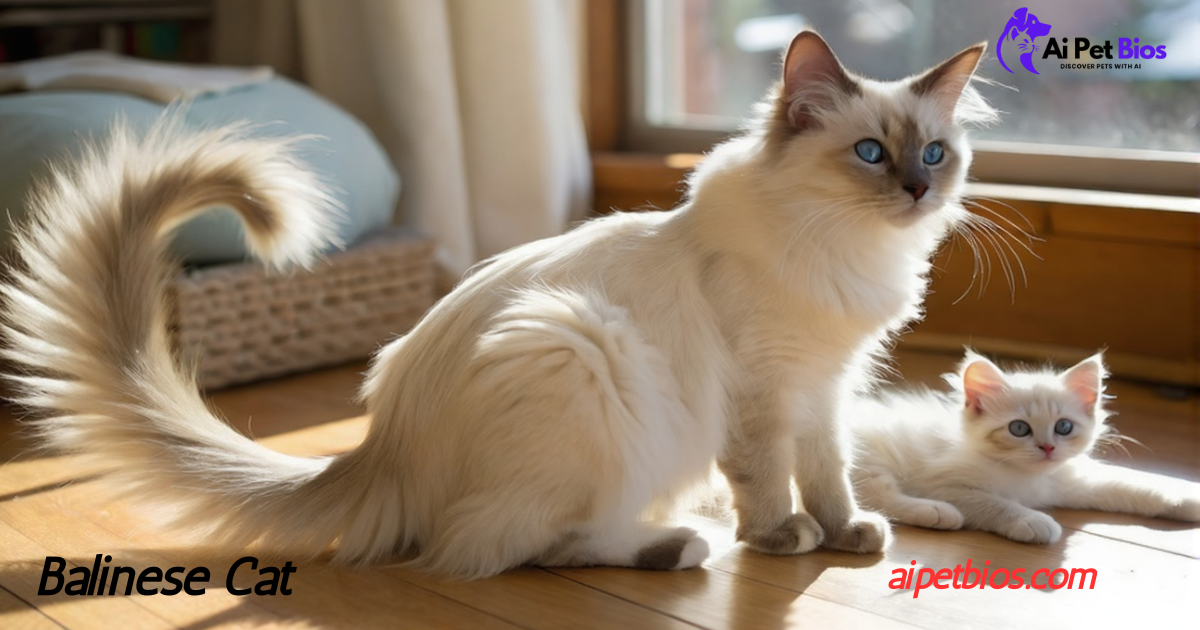
Balinese Cat: The “long-haired Siamese” is a masterpiece of feline elegance, combining a svelte, athletic build with a silky coat that flows like a dancer’s gown. If you are searching for a companion that offers the intelligence of a Siamese but with a softer, more luxurious touch, the Balinese cat is the quintessential choice for your household. As an animal niche specialist, I have found that many prospective owners are drawn to their beauty, but stay for their uncanny, almost human-like devotion. This guide explores everything from their mysterious origins to the practicalities of finding balinese cat breeders near me.
Quick Facts Table
| Feature | Details |
| Origin | United States (Siamese descent) |
| Coat Length | Semi-longhair, silky, no undercoat |
| Weight | 5 to 12 pounds |
| Lifespan | 12 to 20 years |
| Temperament | Highly Social, Vocal, Intelligent, Loyal |
| Hypoallergenic | Yes (Produces less Fel d 1 protein) |
| Common Colors | Seal, Blue, Chocolate, and Lilac points |
7 Surprising Facts About the Balinese Cat
Before we dive into the deep history and care requirements, let’s look at the seven unique traits that set this breed apart from all others in the feline kingdom.
1. They Aren’t Actually from Bali Despite the exotic name, this breed originated in the United States. They were named “Balinese” not because of their geography, but because their grace reminded early breeders of the traditional dancers of Bali.
2. They Are Genetic “Happy Accidents” For decades, long-haired kittens appeared spontaneously in Siamese litters. Originally viewed as a “fault,” these kittens eventually became the foundation for the Balinese cat breed we love today.
3. They Are the “Border Collies” of the Cat World Ranked consistently as one of the most intelligent cat breeds, they can solve puzzles, open doors, and even be trained to walk on a leash more easily than most other felines.
4. They Have No Undercoat Unlike most long-haired cats (like Persians), this breed lacks a fluffy undercoat. This means they rarely get mats and require significantly less grooming than you would expect.
5. They Produce Less Fel d 1 Protein This is the “secret weapon” of the balinese cat hypoallergenic reputation. They naturally produce a lower concentration of the allergen protein found in cat saliva.
6. They Reach “Social Maturity” Early While some cats remain aloof until adulthood, Balinese kittens are famously social from the moment they can walk, seeking out human interaction immediately.
7. They Have Incredible Longevity With a typical balinese cat lifespan reaching up to 20 years, they are one of the longest-living pedigreed cat breeds in existence.
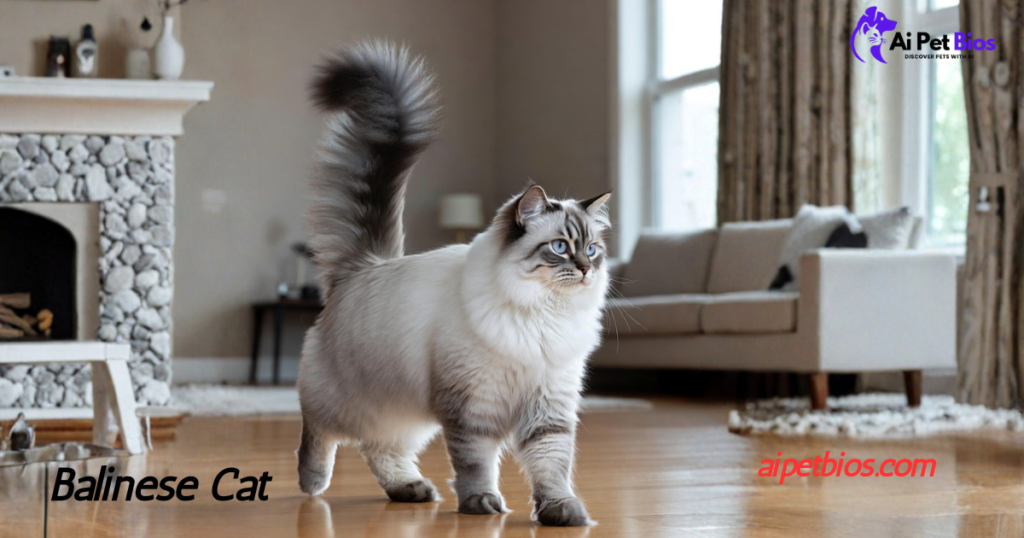
Origin and History: Beyond the Myth
The history of the Balinese cat is a fascinating study in feline genetics. While short-haired Siamese cats have been documented for centuries in Thailand (formerly Siam), the long-haired version is a relatively modern American development.
In the early 1900s, long-haired kittens would occasionally pop up in Siamese litters. Initially, these were considered undesirable. However, in the 1950s, a breeder named Helen Smith decided to market them as a separate breed. She felt that calling them “Long-haired Siamese” was too plain for such a majestic creature. By focusing on their fluid, rhythmic movement, she settled on the name “Balinese.” Today, they are recognized by all major cat registries as a distinct and prestigious breed.
Physical Characteristics and Variations
When you look at a Balinese cat, you are seeing the pinnacle of athletic refinement. They are not “fluffy” in the traditional sense; they are sleek.
Balinese cat size and Stature In terms of Balinese cat size, they are considered medium-sized cats. Males typically weigh between 8 and 12 pounds, while females are more delicate, often weighing 5 to 8 pounds. Their bodies are “tubular”—long, slim, and incredibly flexible.
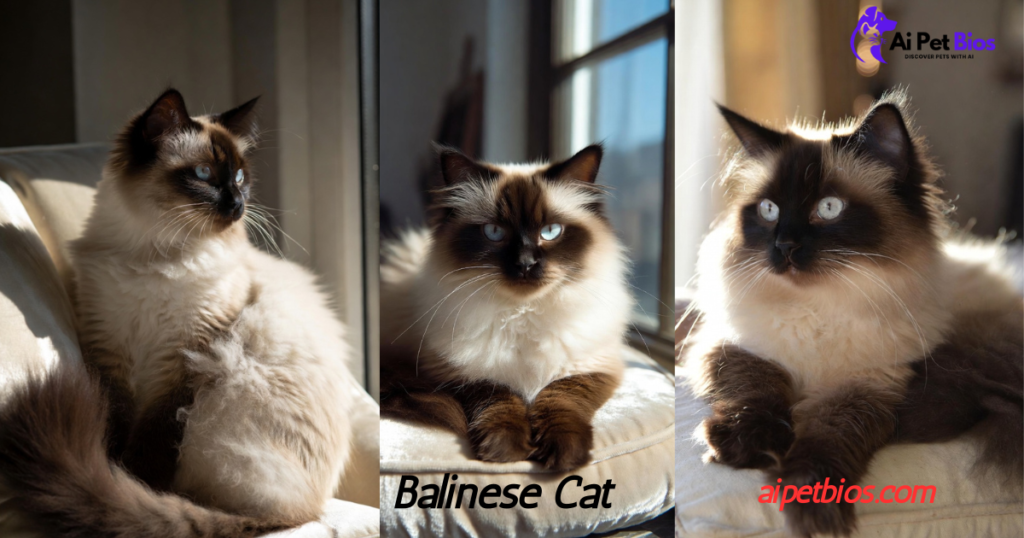
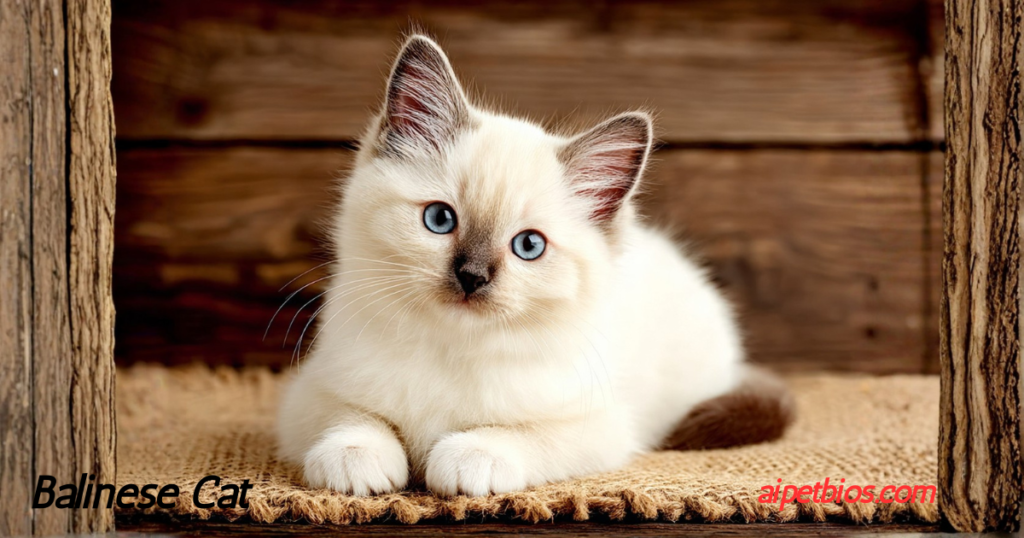
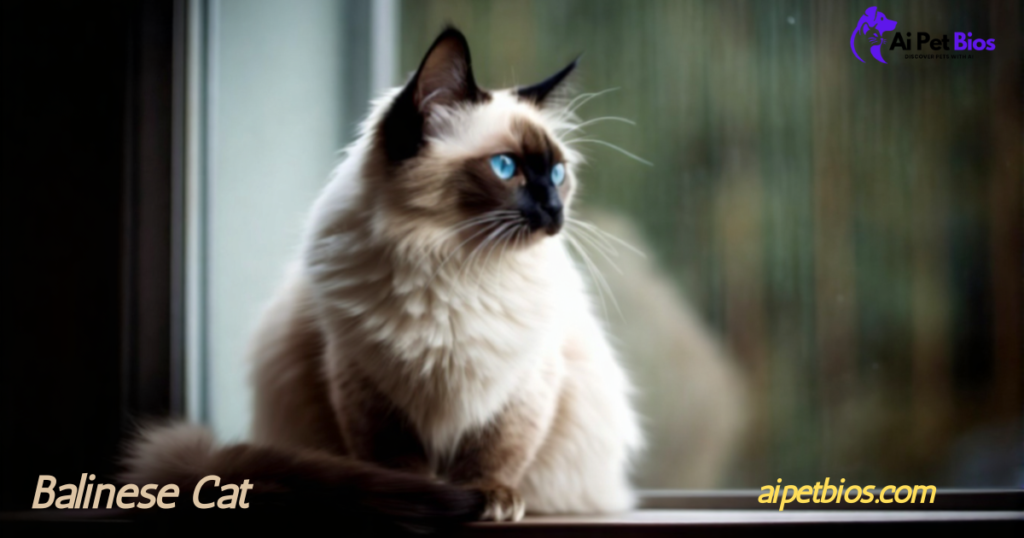
The Palette of Balinese cat colors The breed is famous for its “pointed” coat. This means the extremities (face, ears, tail, and paws) are darker than the body. The four primary Balinese cat colors recognized by most show standards are:
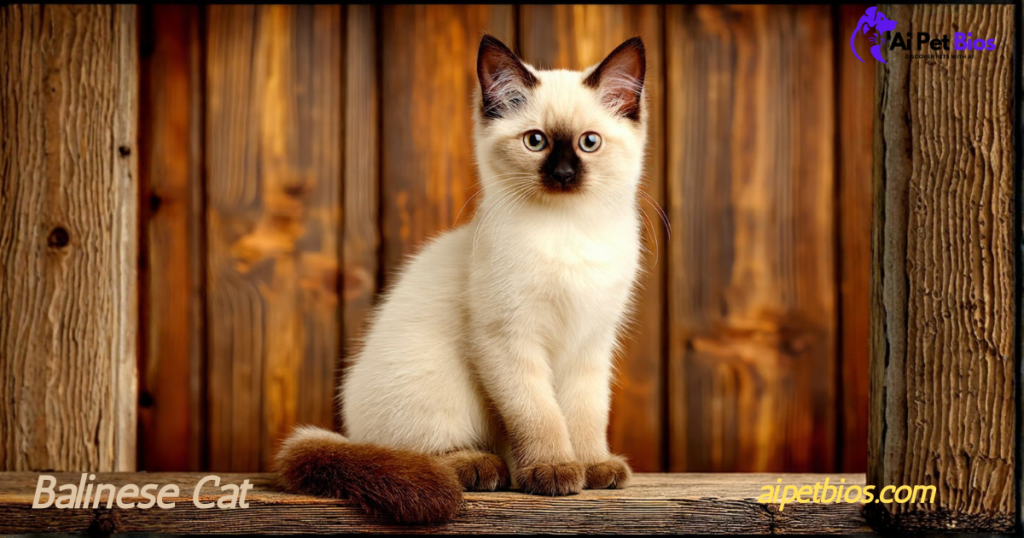
- Seal Point: The most iconic look, with dark brown points.
- Blue Point: A soft, slate-grey contrast.
- Chocolate Point: Warm, cocoa-toned points.
- Lilac Point: A delicate, pinkish-grey hue.
Owners often ask about a Balinese cat black. While you won’t find a solid black Balinese (those are usually Oriental Longhairs), the Seal Point variety is so dark that it often appears black in dim lighting.
The Deep Dive into Balinese cat personality
The balinese cat personality is perhaps their most famous trait. These are not cats that sit silently on a windowsill. They are “active” companions. If you are looking for a pet that will hold a “conversation” with you, you’ve found it. They have a wide range of vocalizations, from soft chirps of greeting to persistent meows when they feel it is time for a treat.
They are also incredibly sensitive to human emotion. If you are having a bad day, your Balinese will likely be the first to notice, staying by your side and offering physical comfort. This high level of emotional intelligence makes them excellent emotional support animals.
The Hypoallergenic Question: Is It True?
Many people spend hours searching for a balinese cat for sale specifically because of their hypoallergenic status. It is important to clarify that no cat is 100% allergy-free. However, the balinese cat hypoallergenic claim is backed by the fact that they produce a lower level of the Fel d 1 protein.
In a standard cat, this protein is spread through dander. Because the Balinese lacks an undercoat, there is less fur to trap saliva and less dander to shed into your carpets and air filters. For many people who suffer from mild allergies, this breed is the only way they can enjoy feline companionship.
Balinese cat vs Siamese: Which is Right for You?
When comparing the Balinese cat vs Siamese, it often comes down to two factors: aesthetics and volume.
- Aesthetics: If you love the Siamese look but want something softer and more “regal,” the Balinese is the winner.
- Volume: Siamese cats are famously loud—some describe their cry as similar to a human baby. The Balinese is equally talkative but generally has a softer, more melodic tone.
In terms of energy, both are high-intensity. Neither is a “couch potato” breed. They both require significant vertical space and interactive play to remain healthy and happy.
Health and Longevity: A 20-Year Commitment
The balinese cat lifespan is a major selling point for families. It is not uncommon for these cats to live 18 to 22 years. However, high longevity requires proactive health management.
Common Health Concerns As an expert in the animal niche, I recommend that owners watch for:
- Liver Amyloidosis: A condition where proteins build up in the liver.
- Hypertrophic Cardiomyopathy (HCM): A common heart condition in pedigreed cats.
- Progressive Retinal Atrophy: An eye condition that can lead to diminished vision.
Regular vet visits and a high-quality diet are the best ways to mitigate these risks.
Diet, Grooming, and Daily Maintenance
Nutrition Guide To maintain their svelte figure, these cats need a high-protein, low-carb diet. Avoid grain-heavy “filler” foods. Since they are prone to kidney issues later in life, incorporating wet food into their daily routine is essential for hydration.
Grooming Tips Because they lack an undercoat, they are a “wash and wear” breed. A weekly brushing session is usually enough to remove loose hair. However, because they are so social, they often view grooming as a bonding activity and will actively seek out the brush.
The Journey to Ownership: Buying and Adoption
If you are looking for a balinese cat for sale near me, you are about to enter a specialized market. This is not a breed you typically find at a local pet store.
Finding Reputable Balinese cat breeders A good breeder is your best ally. When searching for balinese cat breeders, look for those who provide genetic testing results for the parents. They should be willing to show you the environment where the kittens are raised. Avoid any breeder who is unwilling to answer detailed questions about the kitten’s social development.
Choosing Balinese cat adoption For those who want to give a home to a cat in need, balinese cat adoption is a beautiful option. While they are rare in city shelters, specialized “Siamese and Oriental” rescue groups often have Balinese cats. Searching for a balinese cat near me via rescue databases can often lead you to a wonderful adult cat that already has its personality developed.
Training and Enrichment: Keeping a Smart Cat Busy
Because of their high IQ, a Balinese cat needs a job.
- Puzzle Feeders: Use these to make them “hunt” for their dry food.
- High Perches: They love to survey their kingdom from the top of the refrigerator or a tall cat tree.
- Fetch: Most Balinese kittens can be taught to fetch a crinkle ball in just a few days using positive reinforcement.
Pros and Cons: A Balanced Perspective
Pros:
- Hypoallergenic properties for allergy sufferers.
- Deep emotional bonding with owners.
- Low-maintenance coat compared to other long-hairs.
- Exceptional intelligence and trainability.
Cons:
- Vocal nature can be annoying to some.
- High demand for attention (they don’t like being alone).
- Can be expensive to purchase from top-tier breeders.
Is the Balinese Cat Right for You?
Ask yourself: Do I want a cat that is a roommate, or a cat that is a family member? If you want a pet that will participate in your morning coffee, “help” you fold laundry, and greet you at the door every single day, the Balinese cat is perfect. If you want a cat that stays out of the way, you should look elsewhere.
Frequently Asked Questions
How much does a Balinese cat cost?
A balinese cat for sale from a reputable breeder typically costs between $1,000 and $2,500. Factors like pedigree and “show quality” can drive this price higher.
Is a Balinese cat hypoallergenic?
Yes, they are widely considered balinese cat hypoallergenic. While they still have some allergens, the lower level of Fel d 1 protein makes them much more tolerable for people with allergies.
Is a Balinese cat a good pet?
They are extraordinary pets for active households. Their balinese cat personality is often compared to that of a dog because of their loyalty and desire to play.
Why is it called a Balinese cat?
The name was chosen by early American breeders who felt the cats’ elegant, flowing movements were reminiscent of the famous dancers of Bali.
Where can I find a Balinese cat near me?
The best way to find a balinese cat near me is to check the breeder directories on the CFA or TICA websites, or to look into specialized Siamese rescue organizations.
Conclusion and Final Expert Advice
The Balinese cat is a masterpiece of nature and careful breeding. Whether you are mesmerized by their sapphire eyes or you need a companion that won’t make you sneeze, this breed offers a lifetime of vocal, affectionate, and intelligent companionship. By choosing a reputable source and providing a stimulating environment, you are ensuring that your new friend lives a long, healthy life.
Disclaimer: I am an animal niche specialist and SEO strategist. This content is for informational purposes. Always consult a licensed veterinarian for health and dietary decisions for your pets.

Want Popular On Google? | Lust Quality Backlinks That Force-fed
I’m an SEO Expert, Guest Posting Specialist, and Web Developer helping websites increase rankings, traffic, and authority using clean, white-hat strategies 🚀
I focus on high-authority guest posts, safe backlinks, SEO-optimized content, and technically sound websites—so your site doesn’t just rank, it stays ranked.
What I help you with:
✅ SEO (On-page, Off-page & Technical)
✅ Guest Posts on Real, Relevant Sites
✅ High-Quality Link Building
✅ Keyword Research & Content Strategy
✅ SEO-Friendly Website Development
📈 No spam. No shortcuts. Only results.
👉 Need backlinks that actually work?
📩 Let’s connect: https://wa.me/+923006932631
1 thought on “Its Balinese Cat: 7 Authentic, Surprising & Elegant Hypoallergenic Feline”