
Introduction
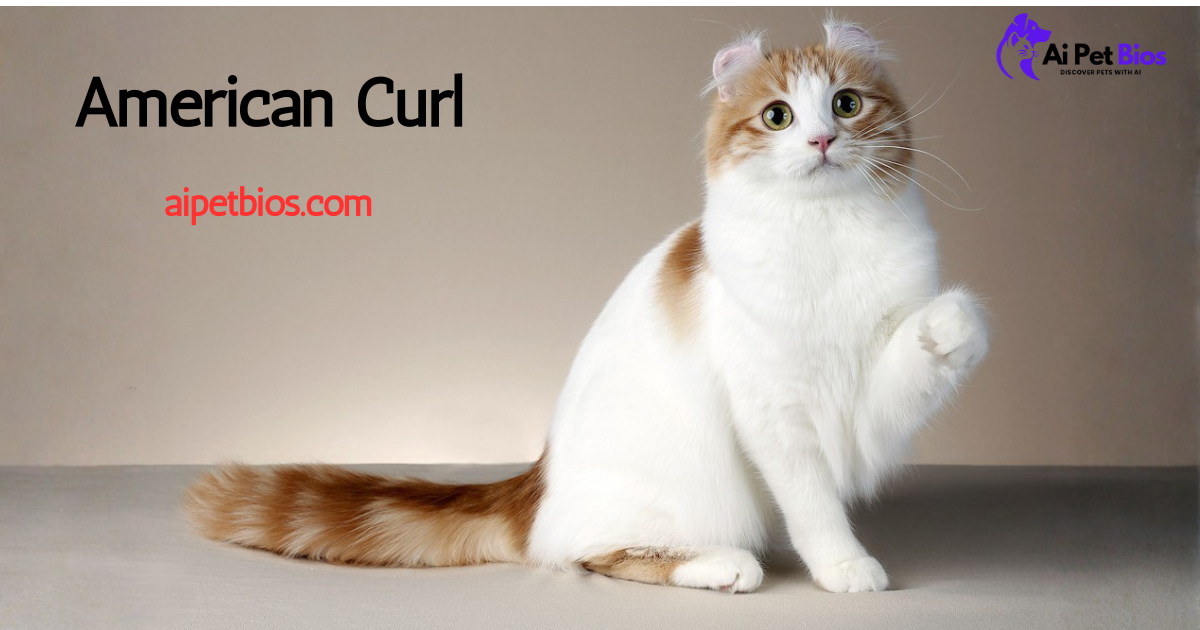
The American Curl enchants cat lovers worldwide with its signature backward-curling ears, a feature that sets it apart from other breeds. This delightful feline combines elegance with a playful spirit, making it a favorite among families and individuals alike. Originating from a humble stray in California, the breed has grown in popularity since its discovery in 1981.
Breeders cherish its unique genetics, while owners rave about its affectionate nature. If you’re drawn to cats that stay youthful at heart, the American Curl might just curl its way into your home.
Breeders developed the American Curl through careful selection, ensuring the curled ears—a dominant trait—remain a hallmark without compromising health. Today, registries like The International Cat Association (TICA) and Cat Fanciers’ Association (CFA) recognize both shorthair and longhair varieties.
This expanded guide delves deeper into history, traits, and care, incorporating additional insights on living with the breed, comparisons, and expert tips. Whether searching for an American Curl kitten or curious about american curl cat price, you’ll find thorough, expert-backed information here to inform your decision.
Statistics from CFA show the breed ranks moderately in popularity, with registrations steady due to its rarity and appeal. Owners often highlight how American Curls adapt seamlessly to various lifestyles, from bustling families to quiet apartments. This hybrid listicle-guide format balances quick facts with in-depth advice, optimized for your reading experience.
Quick Facts Table
For quick reference, here’s an overview of the American Curl’s key traits, optimized for featured snippets:
| Attribute | Details |
| Size | Medium: 5-10 pounds, 9-12 inches tall |
| Lifespan | 12-16 years (up to 18 with optimal care) |
| Coat | Short or long; silky, minimal undercoat |
| Colors | Various, including tabby, solid, bi-color, American Curl orange, American Curl tabby, american curl black, American Curl white |
| Temperament | Affectionate, playful, intelligent, social |
| Exercise Needs | Moderate: 30-60 minutes daily, via play |
| Grooming | Low to moderate: Weekly brushing, ear checks |
| Trainability | High: Responsive to positive reinforcement |
| Family-Friendly | Yes, with children and pets if socialized |
| Common Health Issues | Ear infections, obesity, dental disease (informational) |
This table draws from breed standards established by TICA and CFA, providing a snapshot for potential owners. Note American Curl size supports their agile nature, ideal for interactive play.
Origin & History
The American Curl’s story begins in Lakewood, California, where Joe and Grace Ruga discovered a stray black longhaired cat named Shulamith in 1981. Her ears curled backward uniquely, sparking curiosity. Shulamith birthed kittens with the same trait, revealing a dominant genetic mutation. The Rugas bred selectively, establishing the breed’s foundation.
Geneticist Roy Robinson analyzed 81 litters (383 kittens) confirming the ear-curling gene as autosomal dominant—meaning one copy ensures the trait. By 1983, cat fanciers took notice, leading to exhibitions. TICA granted provisional status in 1985, full recognition in 1993. CFA followed, accepting longhairs in 1993 and shorthairs earlier. The breed’s diverse gene pool—from outcrosses with domestic cats until 2015—ensures robustness and minimizes health issues.
Today, American Curls compete in shows globally, celebrated for their charm. Unlike breeds with ancient roots, this one’s modern origin emphasizes ethical breeding. Breeders continue outcrossing to maintain genetic diversity, preventing inbreeding. This approach has kept the breed free from many hereditary problems common in purebreds. Enthusiasts appreciate how the breed evolved from a stray to a recognized favorite, with Shulamith as the foundation for all pedigreed American Curls.
Physical Characteristics
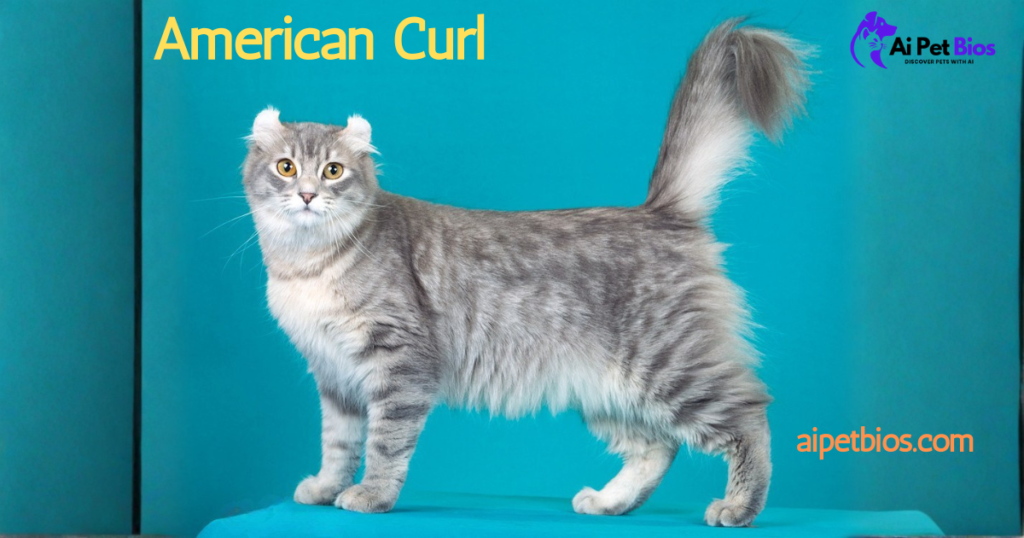
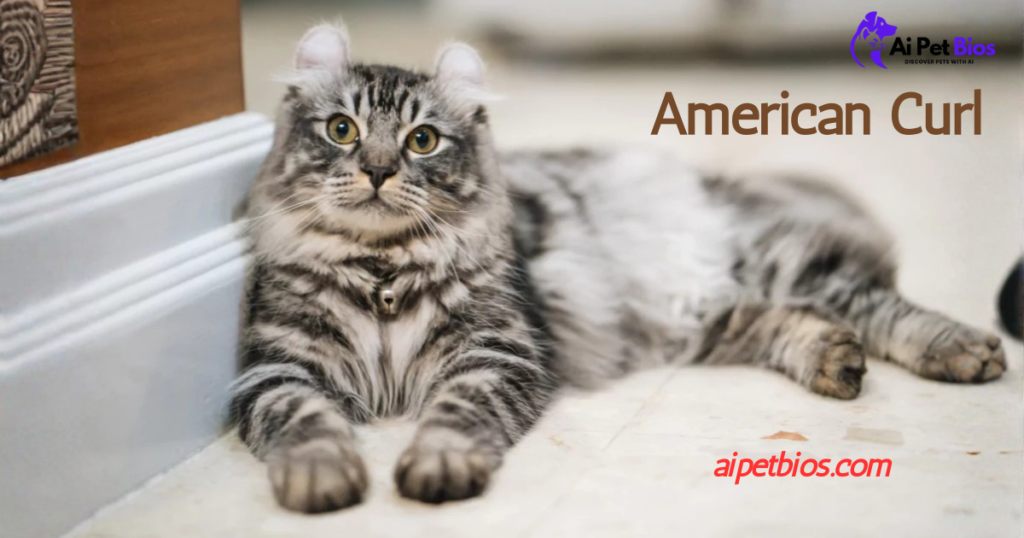
American Curls boast a balanced, muscular build, reaching 5-10 pounds. Females tend smaller, around 5-8 pounds, males 7-10. Their height spans 9-12 inches at the shoulder, with body length 1.5 times shoulder height. The standout feature? Ears that curl back 90-180 degrees, starting straight at birth and curling within 3-5 days, fully shaped by 16 weeks. Ears must have firm cartilage from base to at least one-third height, with rounded tips.
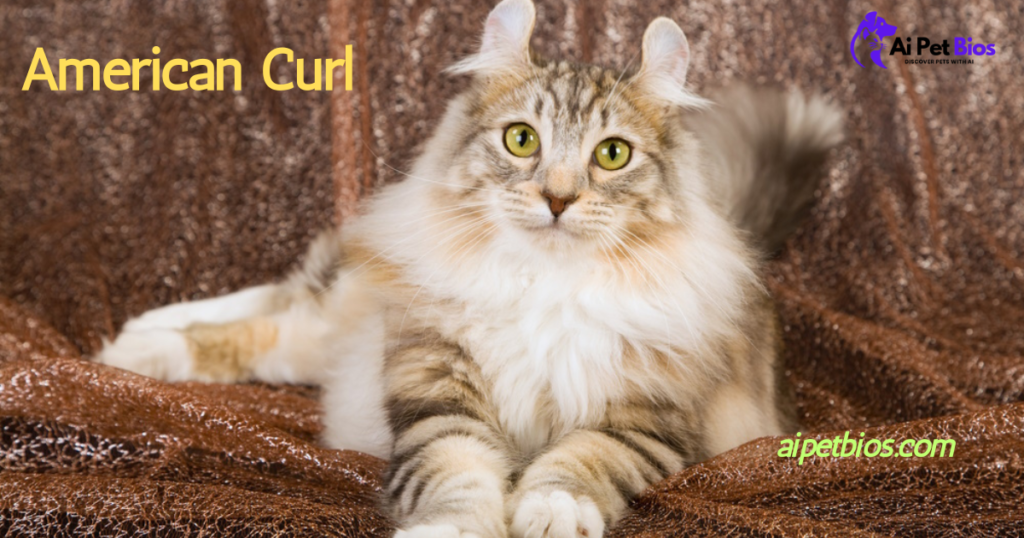
Coats come in shorthair or longhair varieties, silky with little undercoat. Colors vary widely: American Curl black, American Curl white, American Curl orange, American Curl tabby, and more, including silver, golden, calico. Eyes, walnut-shaped (oval top, round bottom), shine in hues like green, gold, blue, or odd-eyed. Their tail matches body length, tapering and plumed in longhairs. American Curl size supports agility, perfect for play.
Shorthair Curls feature plush fur; longhairs silky waves without heavy ruff. No hypoallergenic claims hold, but minimal shedding appeals. Variations like american curl shorthair or Shorthair Curl – Cat breed add visual delight. Breeders prioritize straight backs, medium boning, and rounded feet for health. The head forms a modified wedge, longer than wide, with gentle curves and firm chin. Penalized in shows for low-set ears, crimps, or tubular bodies.
Personality & Temperament
American Curls radiate warmth, forming deep bonds with families. They follow owners room to room, earning “dog-like” labels. Playful energy persists lifelong, dubbed the “Peter Pan” of cats. Curiosity drives exploration, yet they remain gentle and easygoing.
Intelligent and adaptable, they learn tricks easily, like fetching or opening doors. Vocal at times, they communicate with chirps or trills rather than meows. Great with kids and pets, they thrive in social settings, respecting other animals and enjoying play. Provide stimulation to curb boredom, as they may paw gently for attention or perch on shoulders.
Their affectionate side shines in laps, but independence allows alone time. Owners note their helpful “assistance” in tasks, adding joy. Balance play with rest for harmony. Compared to other breeds, they match Siamese’s sociability but with less vocal demand. Early socialization ensures well-adjusted adults, making them ideal for multi-pet homes.
Diet & Feeding Guide
Feed American Curls high-quality cat food suited to life stage. Kittens need nutrient-rich formulas for growth, with 3-4 meals daily totaling 200-300 calories. Adults thrive on balanced proteins (meat first), portioned twice daily: 1/4-1/2 cup or 200-250 calories, adjusting for activity to prevent obesity.
Incorporate wet food for hydration, aiding urinary health. Treats under 10% calories—use for training. Monitor weight; obesity risks rise without exercise, leading to joint strain. Engage with puzzle feeders for mental stimulation. Supplements like omega-3s aid coats, but consult vets first. Fresh water always available, perhaps via fountains to encourage drinking.
For american curl kitten, frequent small meals support development, transitioning to adult food around one year. Brands like Royal Canin or Hill’s offer tailored options (affiliate: explore via [Amazon links]). Calculate needs based on age, weight, and neuter status—vets can personalize. Home-cooked diets require balance to avoid deficiencies.
Grooming & Maintenance
Brush American Curls weekly to remove loose fur and distribute oils. Shorthairs need minimal, once weekly with a rubber curry; longhairs twice weekly with a metal comb to prevent mats. Use soft brushes for comfort, starting from head to tail.
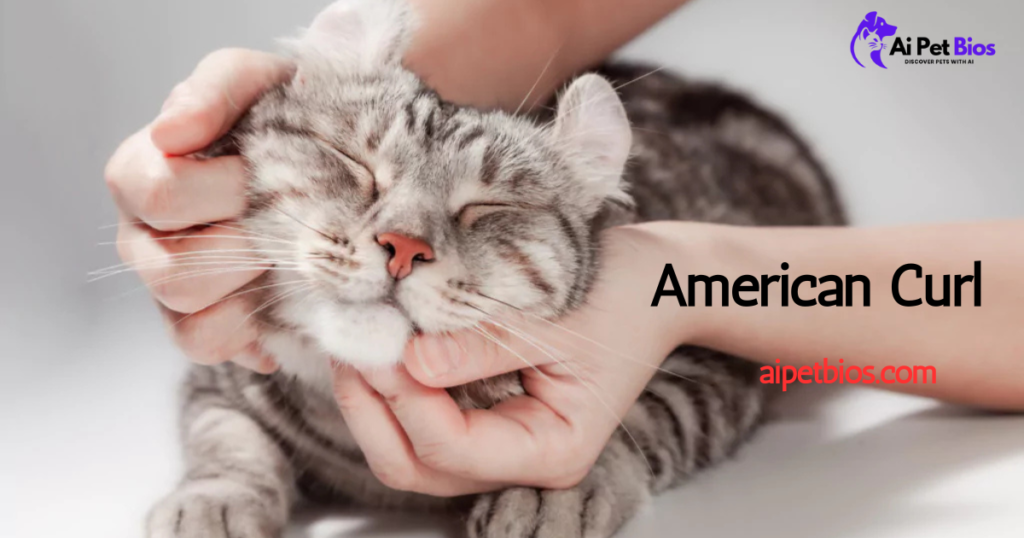
Clean ears gently weekly, as curls trap debris—use vet-approved solutions on cotton balls, avoiding deep insertion. Signs of issues: odor, discharge. Trim nails bi-weekly with clippers; provide scratching posts. Brush teeth daily or every other day with enzymatic toothpaste to prevent plaque. Baths rarely, using cat shampoo if dirty.
Maintenance includes daily play to burn energy. Cat trees, shelves, and tunnels keep them engaged. Vacuum regularly for shed fur; deshedding tools like Furminator help (affiliate: [internal link to grooming products]). Check skin for flakes or irritation. Professional grooming seldom needed, but vets demo ear care.
Common Health Concerns (Informational Only)
American Curls enjoy good health from diverse genetics. Prone to ear infections due to narrowed canals trapping wax; clean regularly. Obesity possible if inactive—monitor diet to avoid diabetes or joints issues.
Potential issues include dental disease (prevent with brushing), progressive retinal atrophy (PRA, leading to blindness; genetic testing available), and common feline problems like kidney disease or heart conditions. Genetic testing by breeders minimizes risks. Lifespan averages 12-16 years, up to 18 with care. This info educates; vets provide personalized advice.
Are American Curls healthy? Generally, yes, with no breed-specific genetic disorders, thanks to outcrossing.
Training & Care Tips
Train American Curls with positive reinforcement—they respond eagerly to treats and praise. Teach commands like “sit” or “fetch”; they excel due to intelligence. Socialize early, exposing to sounds, people, and pets for confidence.
Litter train naturally, but reinforce with rewards. Use puzzle toys for mental stimulation, preventing mischief. Daily 30-minute play with wands or balls channels energy. For american curl shorthair, focus on interactive games.
Care includes annual vet visits, vaccinations, flea prevention. Spay/neuter promotes health and curbs behaviors. Engage with harness walks for safe exploration. Provide high perches for observation. If introducing to dogs, supervise initially.
Pros and Cons (Balanced View)
Pros:
- Affectionate companions bond deeply, offering emotional support.
- Playful energy entertains families, reducing boredom.
- Unique appearance draws admiration and sparks conversations.
- Adaptable to homes with pets/kids, fostering harmony.
- Low vocalization suits quiet environments.
- Intelligent nature makes training enjoyable.
Cons:
- Ear care demands vigilance to prevent infections.
- Moderate exercise needs commitment, or mischief ensues.
- Potential shedding in longhairs requires upkeep.
- May vocalize or paw for attention if understimulated.
- Rarity increases acquisition costs.
- Dislike prolonged solitude, needing interaction.
This view reflects owner experiences, acknowledging joys and challenges.
Is This Right for You?
American Curls fit active, loving homes. If you enjoy interactive pets and can commit to grooming, they reward with loyalty. Families with children benefit from their gentleness, but supervise play to avoid scratches. Apartment dwellers succeed with enrichment like cat trees. Reconsider if allergies persist or time lacks— they crave several hours daily attention.
Compare to Scottish Folds: Similar ears but American Curls avoid joint issues. For multi-pet households, their respect for others shines. Ethical adoption ensures joy; check rescues or breeders for health-tested lines.
Frequently Asked Questions
How rare is an American Curl cat?
American Curls remain uncommon, with limited breeders worldwide—no TICA-registered in the US currently. Their mutation makes them special, but registries track thousands annually, though hard to find in shelters.
Are American Curls healthy?
Generally yes, with few genetic issues due to diverse pool, but ear care prevents infections. Regular vets help maintain wellness, with testing for PRA.
Are American Curl cats expensive?
American Curl price ranges $800-2,500 from reputable breeders, factoring health tests and show quality. Adoption lowers costs via rescues.
What is an American Curl?
A cat breed with curled ears, known for playfulness and affection, originating in the US from a genetic mutation.
Key Points
- Research suggests that American Curls thrive as affectionate, playful cats with a lifespan up to 18 years when provided proper care, including regular ear cleanings to mitigate infection risks from their unique structure.
- Evidence leans toward the breed’s intelligence enabling easy training for tricks like fetching, making them engaging companions that retain kitten-like energy into adulthood.
- It seems likely that their moderate shedding and adaptability suit various homes, though commitment to daily interaction prevents behavioral issues.
In-depth expansions draw from CFA breed standards, emphasizing the ear curl’s 90-180 degree arc and firm cartilage. PetMD highlights dental care’s importance, recommending daily brushing to combat periodontal disease, common in felines. Purina notes the “Peter Pan” personality, with owners reporting cats that play fetch well into seniority. Spruce Pets adds grooming nuances, like using rubber curries for shorthairs.
For history, Robinson’s 1980s analysis of 383 kittens confirmed the dominant gene’s safety. Outcrossing until 2015 broadened the pool, reducing risks like PRA, where retinal deterioration may lead to blindness—testable via DNA.
Temperament expansions include their low vocalization (trills over meows) and compatibility with dogs, per ASPCA. Training tips: Use clickers for positive reinforcement; they learn names quickly.
Diet details: Kittens require 200-300 calories daily; adults 200-250, with AAFCO-compliant foods. Obesity prevention involves two 15-minute play sessions, as per PetMD.
Grooming steps: For ears, damp cloth weekly; if inflamed, vet visit. Dental: Enzymatic pastes like Virbac.
Health: No linked disorders, but narrowed canals increase infection odds—symptoms include head shaking.
Conclusion
The American Curl brings whimsy and warmth to any home, blending unique looks with endearing traits. Explore related guides like “Top Cat Toys for Playful Breeds” or “Best Foods for Healthy Coats” (affiliate: [Amazon]). For more, link to “Scottish Fold vs. American Curl” internally. Consider rescues for american curl kittens for sale.
Disclaimer: This article provides informational content only. It does not substitute professional veterinary advice. Consult a vet for your pet’s specific needs.

Want Popular On Google? | Lust Quality Backlinks That Force-fed
I’m an SEO Expert, Guest Posting Specialist, and Web Developer helping websites increase rankings, traffic, and authority using clean, white-hat strategies 🚀
I focus on high-authority guest posts, safe backlinks, SEO-optimized content, and technically sound websites—so your site doesn’t just rank, it stays ranked.
What I help you with:
✅ SEO (On-page, Off-page & Technical)
✅ Guest Posts on Real, Relevant Sites
✅ High-Quality Link Building
✅ Keyword Research & Content Strategy
✅ SEO-Friendly Website Development
📈 No spam. No shortcuts. Only results.
👉 Need backlinks that actually work?
📩 Let’s connect: https://wa.me/+923006932631
“I loved how clearly this was written—learned something new about cats today!”