
🔥 5 Critical Facts About This Breed
Fact #1: Working Lines Differ Fundamentally from Show Lines These dogs are bred for performance and working ability, not appearance. They possess significantly greater drive, intelligence, and protective instinct than show-line variants. Selection prioritizes task capability over physical conformity.
Fact #2: DDR German Shepherd Breeders Created Distinctive Dogs DDR german shepherd breeders developed state-controlled lines emphasizing nerve stability and handler bonding. East German programs created dogs with exceptional reliability in police and security operations. Modern genetics continue reflecting this influential heritage.
Fact #3: Long Haired Variants Maintain Full Working Capability Extended coat dogs possess identical working ability as short-coated counterparts. The long haired german shepherd’s extended coat requires additional grooming but causes no functional disadvantage. Professionals typically prefer short coats for practical maintenance reasons.
Fact #4: These Dogs Require 2+ Hours Daily Intense Exercise These athletic animals demand substantially more activity than typical pets. They need structured, purposeful engagement preventing behavioral problems. Owners must commit to serious daily interaction or face destructive consequences.
Fact #5: Czech and DDR Lines Display Distinctly Different Characteristics Czech lines demonstrate intense protection drives and independent decision-making. DDR variants emphasize handler-focused attention and stable temperament. Both represent valid lineages suited for different professional applications.
Introduction
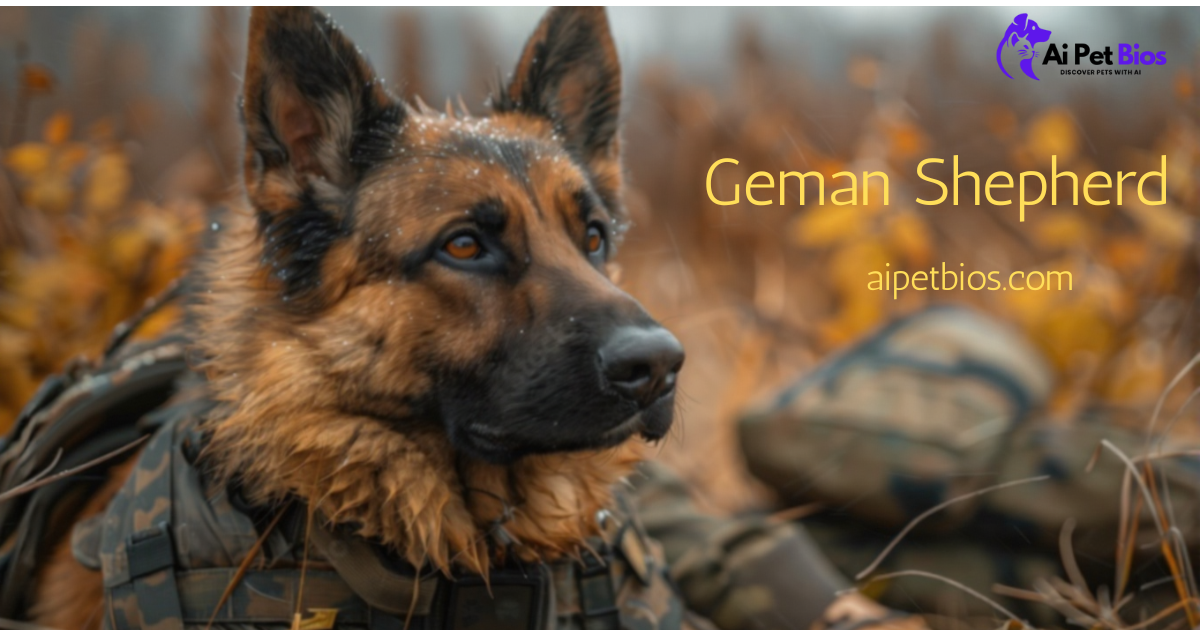
The working line german shepherd represents one of the most capable and distinguished canine athletes in the world. These extraordinary dogs descend from selective breeding programs designed to enhance working ability, intelligence, and drive rather than physical appearance alone. Unlike show-line variants bred primarily for conformational standards, these animals demonstrate exceptional athletic prowess, problem-solving capability, and unwavering dedication to their handlers.
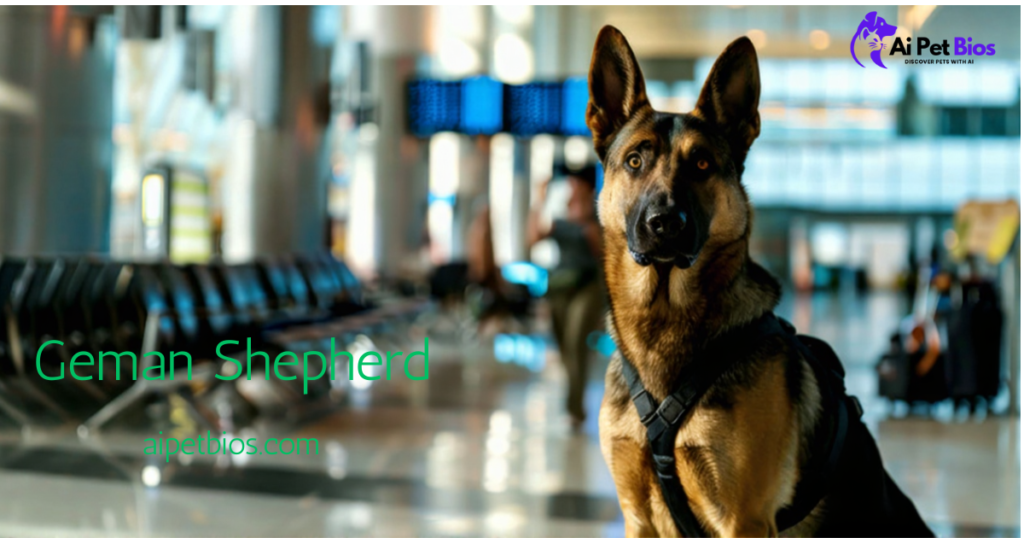
These dogs excel across diverse professional roles including police work, military operations, protection services, and search-and-rescue missions. The breed’s versatility stems from carefully maintained bloodlines originating from specific geographic regions. DDR breeders developed distinctive characteristics emphasizing nerve strength and working capacity. Czech lines developed protection-oriented temperaments suited for demanding work. Each lineage contributes unique qualities distinguishing modern working populations.
Beyond traditional black and tan coloring, long haired variants and rare blue specimens captivate enthusiasts seeking distinctive working companions. Understanding genetics, temperament requirements, and proper breeder selection ensures you select the ideal working companion for your specific needs.
Quick Facts Table
| Characteristic | Details |
| Primary Purpose | Police, military, protection, search-and-rescue work |
| Height Range | 22–26 inches (males); 22–24 inches (females) |
| Weight Range | 50–90 pounds depending on line and gender |
| Coat Types | Short-haired, long-haired variants |
| Coat Colors | Black/tan, sable, solid black, blue specimens |
| Life Expectancy | 10–13 years with proper care |
| Temperament | Driven, intelligent, confident, loyal, protective |
| Exercise Needs | Extremely high (2+ hours daily minimum) |
| Primary Lineages | DDR, Czech, East German, Belgian, American lines |
| Training Level | Advanced; requires experienced handlers |
| Grooming Needs | Moderate to high depending on coat length |
Origin and History
The Foundation of Working Line Breeding
Working line german shepherd breed’s development began in Germany during the early 20th century when selective breeding emphasized working ability over aesthetic appearance. Captain Max von Stephanitz, credited with standardizing the German Shepherd breed, understood that true excellence required functional capability combined with intelligent temperament.
The distinction between show-line and working line variants became increasingly pronounced as breeding objectives diverged. Show-line breeders prioritized visual conformity to breed standards, while working-oriented breeders selected exclusively for drive, intelligence, nerve strength, and task performance. This divergence created two distinct populations within a single breed designation.
DDR Working Line German Shepherd Breeders and East German Influence
DDR breeders operated under the German Democratic Republic’s state-controlled breeding programs from 1949 to 1990. The Stasi, East Germany’s secret police, developed distinctive dogs for police and security operations. East German programs focused intensively on nerve stability, handler bonding, and protection-oriented temperament.
These characteristics include exceptional working drive, strong bite inhibition combined with aggressive protection responses, and unwavering loyalty to designated handlers. Dogs possessed athletic builds optimized for demanding physical work rather than show ring appearance. DDR lines contributed substantially to modern genetics worldwide.
Czech Working Line Development
Czech breeders maintained separate programs emphasizing protection and detection work. These bloodlines developed reputation for intense drive, protective instincts, and reliable performance in challenging environments. Unlike some other lines emphasizing precision obedience, Czech dogs frequently demonstrated independent decision-making capability valuable in protection scenarios.
The distinction between DDR and Czech variants became significant among protection specialists and law enforcement agencies. Both lineages contributed unique temperamental qualities to contemporary populations.
Modern Diversity
Contemporary breeders maintain multiple distinct lineages. Belgian variants developed slightly different characteristics than German or Czech lines. American breeders created additional variations emphasizing specific working tasks like narcotics detection or patrol work.
Long haired variants emerged through selective breeding within these programs, though these remain less common than short-coated specimens. Breeders maintained coat variations while preserving essential working temperament and capability.
Physical Characteristics
Structure and Athletic Build
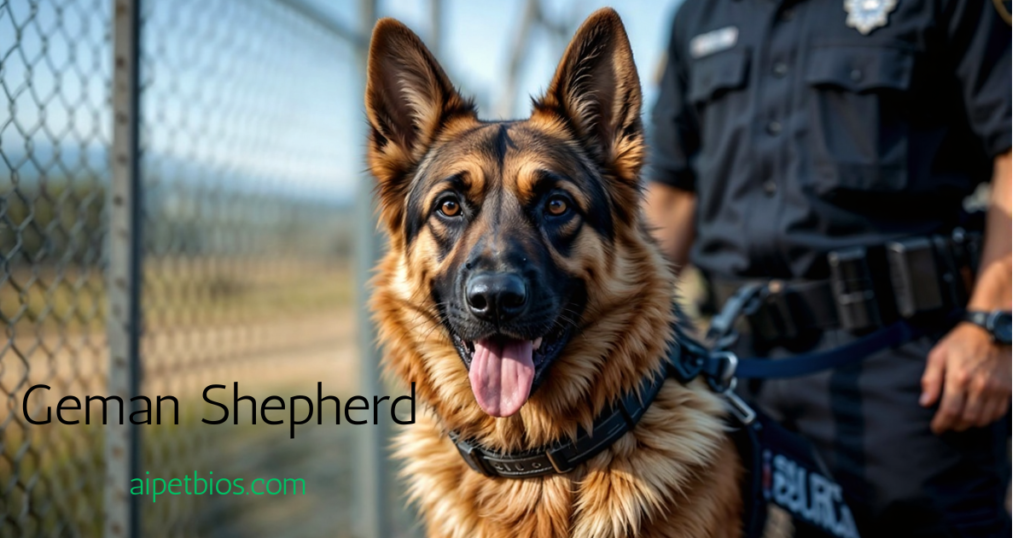
Working Line German Shepherd dogs display athletic, muscular frames designed for sustained physical performance. Unlike some show-line variants featuring exaggerated angulation, working specimens maintain functional proportions supporting extended work capability. The topline remains relatively level, and hindquarters provide powerful propulsion without compromising structural integrity.
Males typically stand 24–26 inches at the shoulder, while females measure 22–24 inches. Weight varies considerably between 50–90 pounds depending on specific lineage, with DDR and Czech variants often weighing toward the heavier end of the spectrum.
Coat Types and Variations
Short-Coated Variants: Most specimens exhibit short, dense double coats providing weather protection without grooming complexity. The short coat allows superior cooling during intense work and reduces maintenance requirements. Short-coated dogs gain slight competitive advantages in demanding physical environments.
Long Haired Variants: Extended coat specimens feature longer guard hairs extending 2–4 inches from the body. While less common among working populations, long haired dogs possess identical working capability as their short-coated counterparts. The long haired variant’s appearance makes them distinctive, though the extended coat requires additional grooming attention and provides minimal practical advantage during work.
Color Variations
Traditional black and tan remains the most prevalent coloring. Sable coats appear frequently across DDR and Czech populations. Solid black specimens occur regularly through selective breeding.
Blue German Shepherd dogs result from recessive dilute coloring genes. The blue variant’s slate-colored coat develops from genetic dilution of black pigmentation. While visually striking, blue specimens face no functional disadvantage compared to traditionally colored peers. Some breeders specifically select for this coloring, though others consider it undesirable within traditional standards.
Head Structure and Facial Features Of Working Line German Shepherd
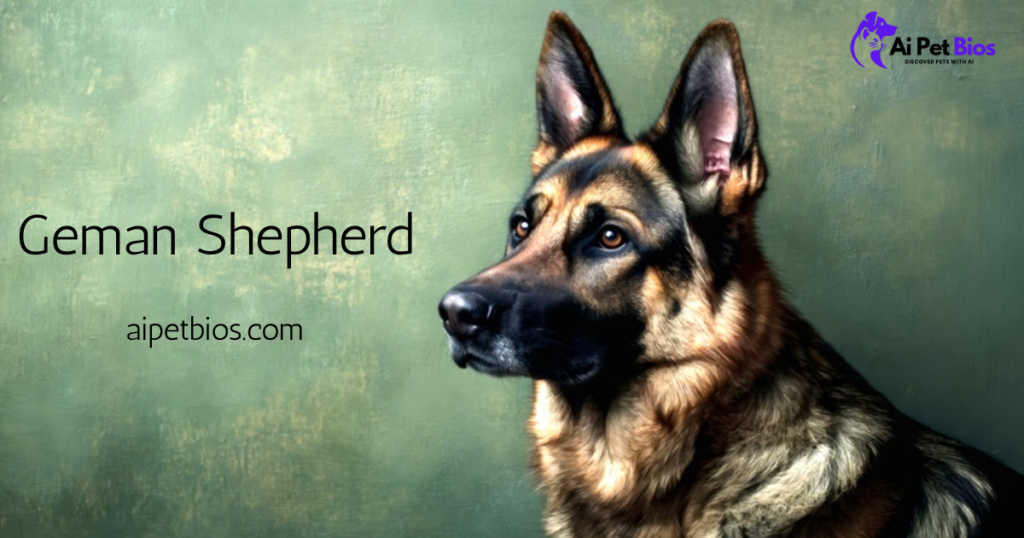
Working Line German Shepherd dogs display noble proportions with strong muzzles and alert, intelligent eyes. Ear carriage remains erect, and the overall expression reflects confidence and readiness. Head structure differs noticeably from show-line variants, featuring less extreme features and greater functional orientation.
Personality and Temperament
Distinctive Working Drive
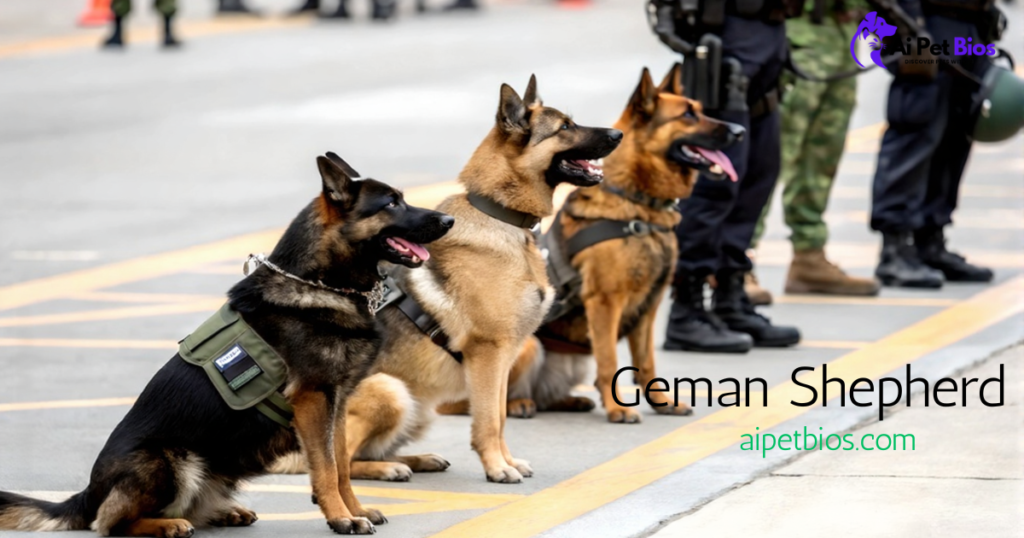
These animals possess exceptional working drive distinguishing them fundamentally from pet-oriented lines. Working Line German Shepherd Dogs display tireless enthusiasm for meaningful work and demonstrate frustration when prevented from engaging challenging tasks. This temperament emphasizes mission focus and task completion.
Intelligence and Problem-Solving
These specimens rank among the most intelligent canine populations. Dogs demonstrate remarkable capacity for learning complex commands and adapting to changing circumstances. Their intelligence enables them to assess situations independently, valuable during police work, protection operations, and search-and-rescue missions.
Confidence and Protective Instinct
Working Line German Shepherd animals exhibit unwavering confidence in challenging situations. Their protective instincts activate selectively based on handler direction, distinguishing reliable specimens from unstable individuals. Properly bred dogs balance protective aggression with excellent bite inhibition, enabling controlled responses proportionate to threats.
Handler Bonding and Loyalty
These dogs form intense bonds with designated handlers. This loyalty extends beyond casual affection to complete dedication and willingness to enter dangerous situations. Puppies require socialization to prevent excessive guarding of handlers or family members.
Temperament Variations Across Lineages
DDR Variants: Working Line German Shepherd demonstrate stable nerves, handler-focused attention, and reliable protective responses. Characteristics include strong-willed independence balanced with respect for handler authority. They bond intensely with their handlers while remaining suspicious of strangers.
Czech Variants: These specimens display intense prey and protection drives. They often demonstrate greater independent decision-making than DDR counterparts. Czech protection capability remains legendary among professional dog handlers and security specialists.
Socialization Challenges
These animals require extensive, intentional socialization during puppyhood. Unlike more naturally social breeds, puppies develop selective friendliness toward familiar people while maintaining appropriate wariness toward strangers. Proper socialization ensures dogs distinguish between genuine threats and normal social situations.
Diet and Feeding Guide
High-Performance Nutritional Requirements
These athletic dogs require high-quality, protein-rich diets supporting their exceptional metabolic demands. Dogs need significantly more calories than typical pets, typically consuming 2,000–3,500 calories daily depending on activity level, size, and work intensity.
They benefit from protein levels exceeding 25%, with premium sources including beef, poultry, and fish. Fat content should range from 15–20% to support coat health and sustained energy availability during extended work periods.
Feeding Schedules for Working Line German Shepherd
Most owners feed twice daily with substantial portions supporting sustained energy. Some handlers implement feeding protocols around work schedules, avoiding intense activity immediately following meals to reduce bloat risk.
Pre-Work Feeding: Handlers often feed lighter meals several hours before intense activity. Post-work feeding allows adequate digestion time before strenuous exertion.
Performance Enhancement: Dogs engaged in daily demanding work may require supplemental feeding beyond standard twice-daily schedules. Monitor body condition closely and adjust portions to maintain optimal working weight.
Special Nutritional Considerations
These animals benefit from joint-support supplements including glucosamine and chondroitin, supporting long-term skeletal health during careers spanning years of intense activity. Omega-3 fatty acids support cognitive function and coat condition.
Raw feeding appeals to some owners, though others prefer high-quality commercial formulations. Consult veterinarians knowledgeable about working dog nutrition when selecting optimal dietary approaches.
Grooming and Maintenance
Coat Care Requirements
Short-Coated Specimens: Short-haired coats require weekly brushing using slicker brushes or undercoat rakes. During shedding seasons, daily grooming prevents excessive hair loss throughout homes and kennels. These dogs shed year-round, with increased shedding during spring and fall transitions.
Long Haired Specimens: Extended coat dogs require 2–3 times weekly brushing to prevent matting and maintain coat condition. Guard hairs tangle easily without consistent grooming attention. Owners invest substantially in grooming tools and maintenance time.
Nail and Foot Care
Working Line German Shepherd subject their feet to considerable stress during work and training. Trim nails every 3–4 weeks, or more frequently if working extensively on soft ground. Inspect feet regularly for cuts, thorns, or infection. Foot health directly impacts working capability and career longevity.
Ear Maintenance
Ears require weekly inspection and cleaning to prevent infection. The breed’s erect ear carriage promotes air circulation, reducing ear issues common in floppy-eared breeds. Regular ear maintenance prevents complications that could sideline dogs from operational duty.
Dental Health
Brush teeth several times weekly using canine-specific toothpaste. Professional dental cleanings annually prevent serious oral disease that could compromise working capability. Some handlers feed raw meaty bones supporting natural tooth cleaning.
Common Health Concerns Of Working Line German Shepherd
Hip and Elbow Dysplasia
Hip dysplasia remains the most prevalent health concern affecting these populations. This degenerative joint condition results from genetic predisposition combined with environmental factors. Reputable breeders screen parent dogs using OFA or PennHIP evaluations, though dysplasia can appear even in well-screened lines.
Working Line German Shepherd engaged in intense activity may develop dysplasia symptoms earlier than less active individuals. Early signs include limping, reluctance to jump, or difficulty rising after rest.
Exocrine Pancreatic Insufficiency (EPI)
EPI affects digestion, preventing proper nutrient absorption. Affected dogs exhibit weight loss, fatty stools, and reduced energy despite adequate food intake. EPI management requires enzyme supplementation, and early detection improves long-term prognosis significantly.
Degenerative Myelopathy (DM)
Degenerative myelopathy causes progressive hind-limb paralysis in affected individuals. Genetic testing identifies carrier status, allowing informed breeding decisions. While DM proves incurable, supportive care extends quality life for affected dogs.
Bloat and Gastric Dilatation-Volvulus (GDV)
Large, deep-chested breeds face elevated bloat risk. This life-threatening condition requires immediate veterinary emergency care. Feeding smaller, frequent meals rather than large single portions reduces bloat incidence in these populations.
Perianal Fistula
This painful condition affects anal gland tissue surrounding the anus. Dogs experience discomfort, often visible as excessive licking or scooting. Treatment ranges from medical management to surgical intervention depending on severity.
Training and Care Tips For Working Line German Shepherd
Professional Training Requirements
Working Line German Shepherd require experienced handlers and professional training. Unlike pet dogs learning basic obedience, these specimens need structured programs developing their specialized capabilities. Protection training, detection work, or police preparation demands professional expertise.
Most puppies enter professional training facilities by 6–8 months of age. Training programs typically span 4–12 months depending on intended working purpose.
Socialization During Development
Puppies benefit from controlled socialization exposing them to varied environments, people, and stimuli. This socialization differs significantly from pet dog protocols, emphasizing discernment rather than universal friendliness. Puppies learn to assess threats appropriately while remaining focused on handler direction.
Mental Stimulation and Purposeful Work
These animals require meaningful work or equivalent mental challenges. Providing purposeful activities prevents boredom-related destructive behaviors. Dogs lacking appropriate outlets often develop problem behaviors including excessive barking, destructiveness, and aggression.
Suitable activities include advanced obedience training, detection work, protection training, agility competition, or search-and-rescue preparation. These dogs demand consistent engagement with challenging tasks.
Structured Exercise Programs
These animals require 2+ hours of structured exercise daily. Short walks prove inadequate for meeting their athletic demands. Swimming, running, agility work, or protection training provides appropriate outlets for their energy and drive.
Handler Safety and Control
Working Line German Shepherd require handlers capable of safely managing powerful, protective animals. Secure fencing, reliable recall training, and careful introductions protect the public while preventing injury to the animal itself. Inexperienced handlers pose risks to themselves, the dog, and communities.
Veterinary Monitoring
Regular health screenings help identify developing concerns before they compromise working capability. Annual veterinary examinations, joint assessments, and health testing maintain optimal performance throughout careers.
Pros and Cons of Working Line German Shepherd
Advantages
✅ Exceptional Working Capability: These dogs excel across diverse professional roles, providing reliable performance in demanding situations.
✅ Outstanding Intelligence: They demonstrate remarkable problem-solving ability and rapid learning capability.
✅ Loyal Bonding: These animals form unbreakable bonds with handlers, providing unwavering dedication and protection.
✅ Versatile Talent: They transition between police work, protection service, detection work, and family companionship.
✅ Genetic Health Testing: Reputable breeders screen for hereditary concerns, supporting long-term health.
✅ Long Working Careers: These dogs often maintain working capability well into their senior years.
Disadvantages
❌ Extreme Exercise Demands: These animals require 2+ hours daily structured activity, unsuitable for sedentary owners.
❌ Protective Temperament Challenges: They demand experienced handlers capable of safely managing protective instincts.
❌ Professional Training Costs: Developing working capability requires substantial financial investment in professional training programs.
❌ Socialization Complexity: Puppies need specialized socialization approaches differing from typical pet dog protocols.
❌ Liability Concerns: These animals may carry higher liability insurance costs and neighborhood challenges.
❌ Genetic Health Concerns: Hip dysplasia and other hereditary conditions affect these populations significantly.
Is This Working Line German Shepherd Right for You?
Ideal Owner Profile
Ownership suits experienced dog handlers with genuine working dog experience. You should possess substantial knowledge about protective dog management, advanced training techniques, and handling potentially dangerous animals safely. Passive dog owners or first-time owners should avoid these animals.
Professional and Operational Use
These dogs thrive in professional settings including police departments, military units, private protection services, and search-and-rescue organizations. Law enforcement and military handlers undergo rigorous training preparing them for handling.
Lifestyle Compatibility
Your lifestyle must accommodate 2+ hours daily intense exercise and activity. These animals unsuitable for apartment living, office workers with limited time availability, or owners unable to provide meaningful engagement. They demand substantial daily investment.
Training Commitment
Beyond basic obedience, these specimens require advanced training supporting their specialized purpose. Whether pursuing protection work, detection capabilities, or competition sports, you must commit significant training time or hire professional trainers.
Living Space Requirements
These dogs need secure, spacious environments. Properly constructed fencing containing these powerful, athletic animals proves essential. Neighborhood dynamics matter—some areas prohibit protection dog breeds or restrict these animals through breed-specific legislation.
Financial Considerations
Initial acquisition costs for puppies from reputable breeders range from $1,500–$5,000+. Professional training programs cost $2,000–$15,000+ depending on intensity and duration. Veterinary care, high-quality nutrition, and liability insurance represent substantial ongoing expenses.
Frequently Asked Questions
Q1: What Makes These Dogs Different from Show Line Variants?
A: These animals undergo selective breeding emphasizing working ability, drive, intelligence, and task performance over physical appearance. Show-line variants prioritize conformational appearance according to breed standards. These specimens possess greater working drive, stronger protective instincts, and superior athletic capability compared to show-line counterparts.
Q2: What Are DDR German Shepherd Breeders and Their Characteristics?
A: DDR breeders operated state-controlled programs in East Germany developing dogs for police and security work. These animals display exceptional nerve stability, handler bonding, and reliable protection responses. Such characteristics made them highly valued among professional handlers worldwide, with DDR genetics continuing to influence modern working populations.
Q3: Should I Choose a Long Haired Variant for Working Purposes?
A: Long haired dogs possess identical working capability as short-coated counterparts. However, the extended coat requires more grooming maintenance and provides minimal practical advantage during work. Most professionals prefer short coats for reduced grooming demands, though long haired specimens remain functional working companions.
Q4: Are Blue German Shepherd Dogs Genetically Sound Working Companions?
A: Blue dogs result from recessive dilute coloring genes causing no functional impairment. The blue variant’s slate-colored coat develops naturally within breed genetics. Their performance remains unaffected by blue coloring, though they may carry higher price tags due to rarity and appearance appeal.
Q5: How Do Czech Variants Compare to DDR Lines?
A: Czech specimens display intense prey and protection drives with greater independent decision-making than DDR counterparts. DDR variants emphasize handler-focused attention and stable nerves. Both represent distinct lineages, with Czech dogs preferred for protection work and DDR animals favored for police operations.
Conclusion and Internal Linking Opportunities
Working Line German Shepherd remarkable animals represent the pinnacle of canine working ability, combining exceptional intelligence, unwavering loyalty, and reliable performance in demanding situations. Their excellence traces to selective breeding programs spanning decades, with DDR, Czech, and other international lineages contributing distinctive characteristics to contemporary populations.
Long haired variants, blue specimens, and diverse genetics provide options for specialized preferences while maintaining essential working capability. Selecting from reputable breeders familiar with working standards ensures you acquire dogs with appropriate temperament, health clearances, and working potential.
Ownership demands experienced handlers, substantial financial investment, and genuine commitment to meaningful work or equivalent engagement. These animals thrive with handlers who understand their specialized needs and provide appropriate challenges. For prepared individuals and organizations, these dogs deliver incomparable working partnership spanning years of dedicated service.
Disclaimer
This article provides informational content for educational purposes only and does not constitute professional training advice, veterinary medical guidance, or legal counsel. Working Line German Shepherd dogs require experienced handlers and professional training. Consult qualified veterinarians, professional dog trainers, and legal advisors regarding specific health concerns, training approaches, and liability implications. Always prioritize safety when handling protective dog breeds, and verify local regulations regarding ownership before acquisition. Individual dogs display unique characteristics, and professional assessment ensures appropriate personalized management.rable working partnership spanning years of dedicated service.

Want Popular On Google? | Lust Quality Backlinks That Force-fed
I’m an SEO Expert, Guest Posting Specialist, and Web Developer helping websites increase rankings, traffic, and authority using clean, white-hat strategies 🚀
I focus on high-authority guest posts, safe backlinks, SEO-optimized content, and technically sound websites—so your site doesn’t just rank, it stays ranked.
What I help you with:
✅ SEO (On-page, Off-page & Technical)
✅ Guest Posts on Real, Relevant Sites
✅ High-Quality Link Building
✅ Keyword Research & Content Strategy
✅ SEO-Friendly Website Development
📈 No spam. No shortcuts. Only results.
👉 Need backlinks that actually work?
📩 Let’s connect: https://wa.me/+923006932631