
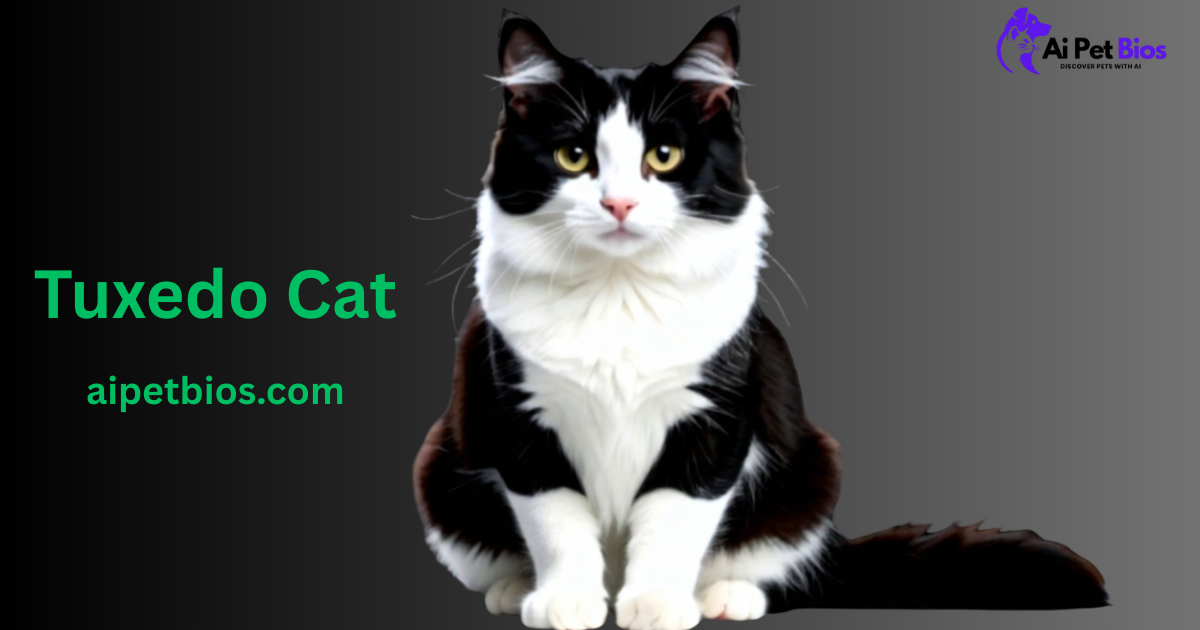
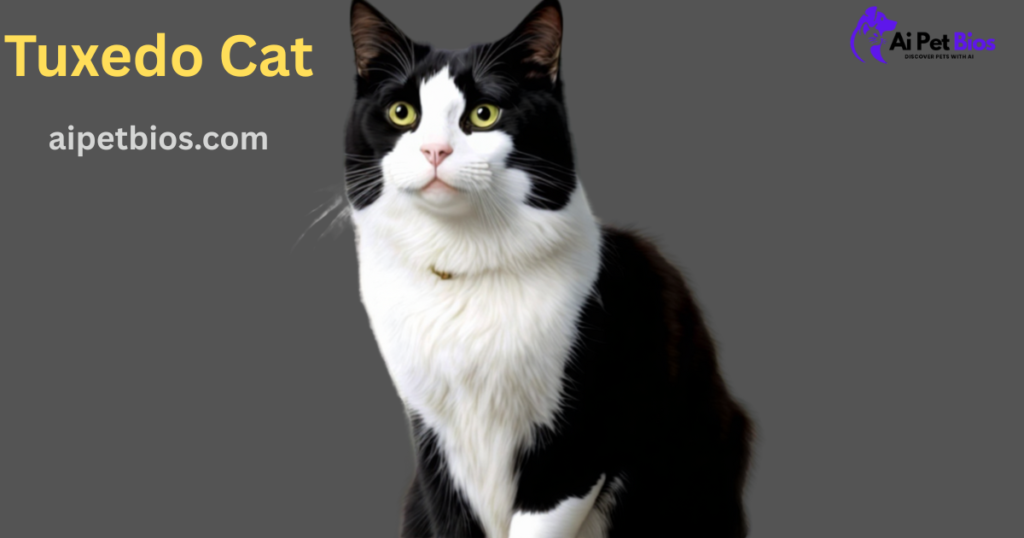
Tuxedo Cat Breed , with their iconic black-and-white markings that evoke the elegance of formal attire, have long been favorites among pet lovers. Though not a distinct breed, this bicolor pattern—often called “piebald”—appears in mixed-breed domestics and purebreds alike, such as the majestic Maine Coon, the charming Scottish Fold, or the tailless Manx.
This versatility means their lifespan can extend up to 20 years or more with proper care, influenced heavily by underlying breed genetics and lifestyle factors. These felines aren’t just visually striking; they’re often celebrated for their engaging personalities and cultural significance.
In this comprehensive guide, we’ll explore everything from their origins to daily care, drawing on expert insights to help you decide if a tuxie is the perfect addition to your home. Whether you’re adopting a shelter mix or seeking a purebred, understanding these dapper cats ensures a rewarding companionship.
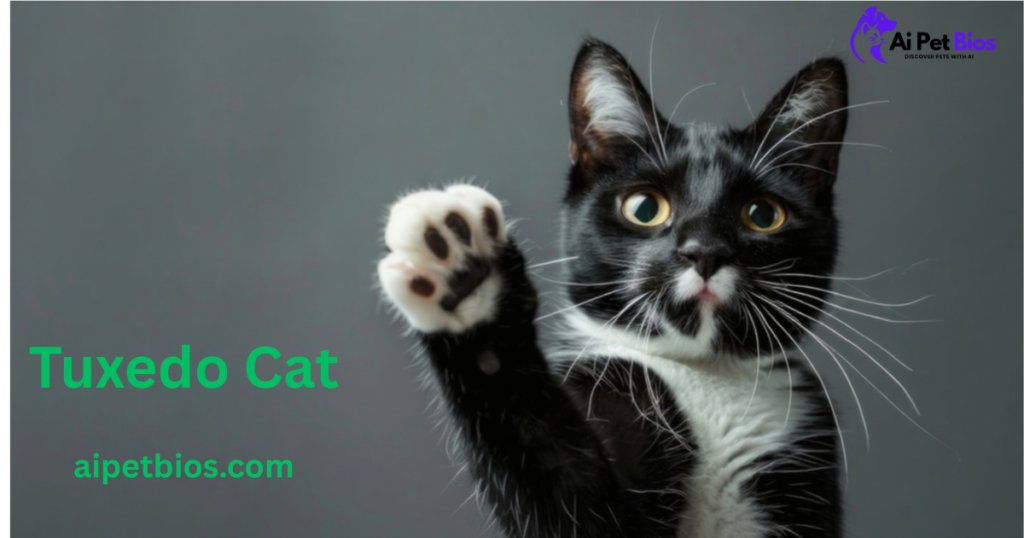
Tuxedo Cat Breed Overview
Tuxedo cats defy simple categorization, blending traits from various breeds into one sophisticated package. Here’s a detailed breakdown of their key attributes:
| Attribute | Details |
| Other Names | Tuxie, Felix cat, Jellicle cat, piebald |
| Personality | Varies by breed; often affectionate, playful, intelligent, and social; some exhibit dog-like loyalty and vocal tendencies |
| Weight | Up to 18 pounds, depending on breed (e.g., larger in Maine Coons) |
| Length | Up to 36 inches, nose to tail, breed-dependent |
| Coat Length | Short, long, curly, or even hairless (e.g., in Sphynx variants) |
| Coat Colors | Primarily black and white; gray-and-white variations sometimes included |
| Coat Patterns | Bicolor with white spotting on chest, paws, belly, and face |
| Eye Color | Shades of gold, green, blue, or yellow; often vibrant and expressive |
| Lifespan | Up to 20 years or more; indoor living and vet care key to longevity |
| Hypoallergenic | No, but breeds like Devon Rex or Sphynx with the pattern may produce fewer allergens |
| Origin | Traces back to ancient Egypt; pattern genetically expressed worldwide |
This overview highlights the pattern’s adaptability, making tuxies accessible for various lifestyles.
Tuxedo Cat Breed Characteristics
The tuxedo pattern arises from a genetic interplay: cats inherit genes for a solid black coat, combined with a white spotting gene (graded 1-10) that suppresses pigmentation in specific areas, typically resulting in low-grade spotting (1-4) for the classic look.
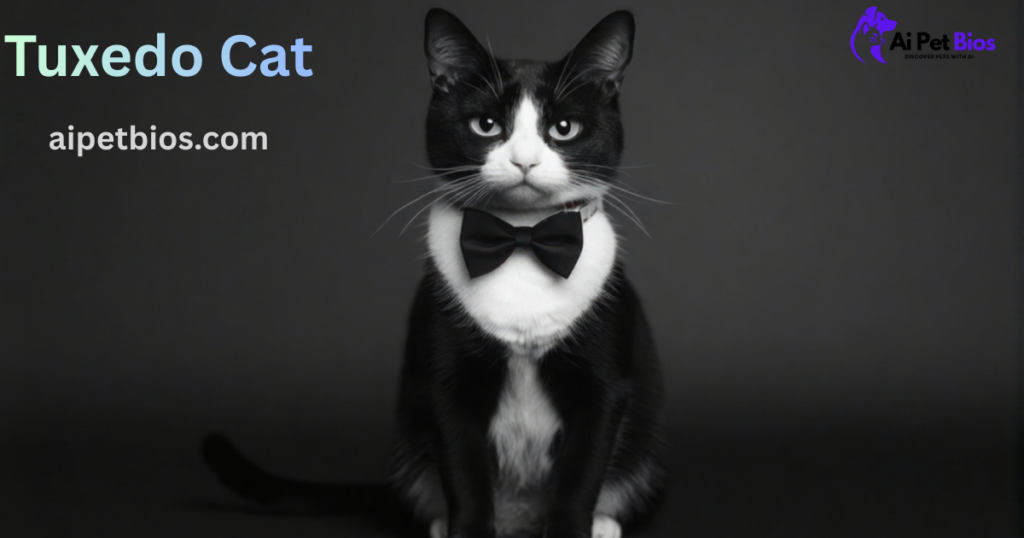
This creates the signature black body with white accents on the chest (bib), paws (socks or spats), belly, and sometimes face—resembling a bow tie or mustache. While the pattern is consistent, personalities are diverse, shaped by breed and upbringing.
Many tuxies are described as outgoing, curious, and empathetic, often forming strong bonds and displaying intelligence through tricks like fetching or opening doors. They’re generally non-aggressive, getting along with children, adults, and other pets, though some may be vocal or protective.
Anecdotal evidence suggests they’re quick learners, maturing faster than peers, but scientific studies link traits more to breed than color. For instance, a tuxedo Maine Coon might be talkative and athletic, while a domestic shorthair tuxie could be laid-back.
History of the Tuxedo Cat Breed
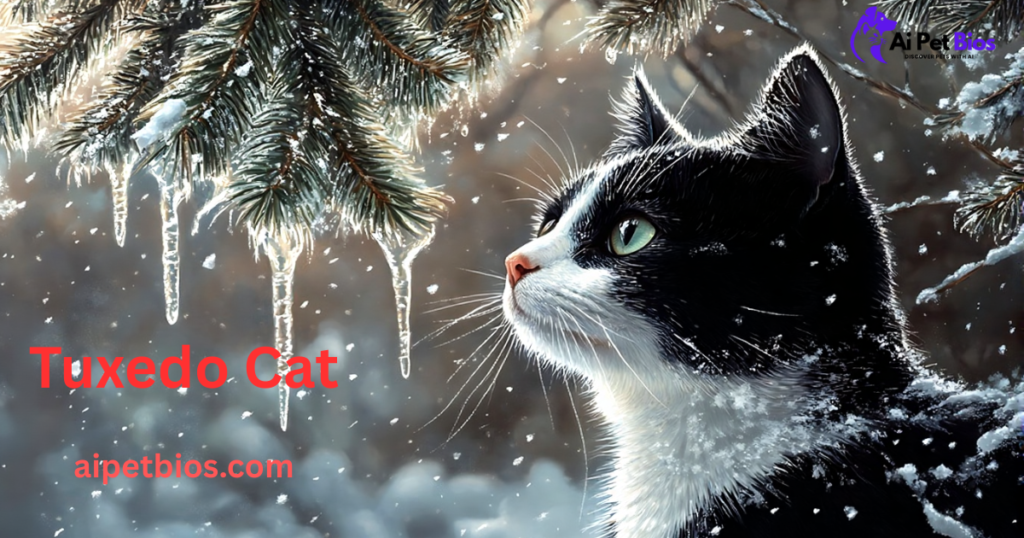
The tuxedo cat breed pattern’s roots likely extend to ancient Egypt, where bicolor cats were revered, depicted in tombs and associated with deities like Bastet. Genetically, it’s a timeless expression, with no precise origin date, but evidence from Egyptian artifacts suggests these patterns have existed for millennia.
In modern times, tuxies have permeated pop culture, boosting their fame. Iconic examples include Felix the Cat from the 1920s silent films, whose wagging-tail clocks remain collectibles; Jellicle cats from T.S. Eliot’s 1939 poetry collection “Old Possum’s Book of Practical Cats,” inspiring the musical “Cats”; Sylvester from Looney Tunes, with his mischievous antics; Dr. Seuss’s “The Cat in the Hat” (1957), a rhyming icon; and Socks, the Clinton family’s White House pet in the 1990s.
Other notables: Figaro from Disney’s “Pinocchio” and Mr. Mistoffelees from “Cats.” These cultural ties underscore tuxies’ enduring charm, often symbolizing good fortune in folklore, countering black cat superstitions.
Tuxedo Cat Care
Caring for a tuxedo cat breed mirrors general feline needs but tailors to their breed. Keep them indoors for safety, providing a quiet litter box—use clumping litter, scoop daily, and clean weekly to prevent issues. Schedule annual vet visits for vaccinations and checkups to catch problems early.
Exercise
Tuxies benefit from 15-30 minutes of daily play to maintain health and prevent boredom-induced behaviors. Offer interactive toys like wand teasers, laser pointers, puzzle feeders, or feather chasers to encourage chasing and pouncing. For mental stimulation, use treat-dispensing balls or electronic toys. Provide vertical spaces: cat trees, perches, and shelves for climbing. Leash training allows safe outdoor exploration; some tuxies adapt well, even enjoying RV trips. Balance activity with rest—cats sleep 12-16 hours daily—so include cozy beds in sunny spots.
Shedding
Shedding varies: short-haired tuxies shed minimally, while long-haired ones (e.g., Norwegian Forest Cat) shed more, peaking in spring and fall. Regular brushing reduces loose fur and hairballs. Indoor cats may shed year-round due to artificial lighting.
Grooming
No pattern-specific needs, but brush weekly for short coats and daily for long to prevent mats. Use a slicker brush or comb. Trim nails every 2-3 weeks to avoid scratches; provide scratching posts. Dental care: Brush teeth 2-3 times weekly with cat-safe toothpaste to prevent tartar. Ear cleaning and baths are occasional, especially for oily coats. For hairless variants like Sphynx tuxies, weekly baths remove oils.
Common Health Problems
Tuxies face typical cat ailments, not tied to their pattern but to breed or lifestyle. Watch for:
- Cancer: Common in seniors; lymphoma prevalent—monitor lumps.
- Diabetes: Risk in obese, male, older cats; symptoms include excessive thirst.
- FIV/FeLV: Viral infections; prevent via indoor living and vaccines.
- Kidney Disease: Affects elders; early screening via blood tests.
- Hyperthyroidism: Causes weight loss, appetite changes; treatable with meds.
- Obesity/Dental Issues: Managed with diet and brushing.
- Heart Disease: Breed-specific, e.g., HCM in Maine Coons.
Regular vet care, including dental cleanings, extends life.
Tuxedo Cats: Your Guide to These Dapper Felines
- Not a Breed, But a Pattern: Tuxedo cat breed is recognized for their striking black-and-white coat that mimics formal wear, appearing in various breeds like Maine Coons or mixed domestics; they’re not a single breed, which means traits and lifespan (up to 20 years) vary.
- Personality Highlights: Often affectionate, playful, and intelligent, tuxies can be dog-like in loyalty, but individual temperaments depend on genetics and environment—some are vocal and social, while others may be more independent.
- Care Essentials: Basic needs include a balanced diet, regular grooming to manage shedding, plenty of exercise through play, and routine vet visits; they’re generally healthy but watch for common cat issues like obesity or kidney disease.
- Adoption Appeal: Affordable and common in shelters, tuxedo cats make charming companions; costs range from free adoptions to $500–$2,000 for purebreds with the pattern.
Why Tuxedo Cats Stand Out
These elegant cats captivate with their sophisticated look, but their appeal goes beyond aesthetics. Research suggests they’re often outgoing and adaptable, thriving in family settings or with other pets when properly socialized. While no pattern guarantees personality, many owners report tuxies as empathetic and engaging.
Quick Care Tips
Feed high-quality wet or dry food tailored to their age and activity level to prevent weight gain. Brush weekly, trim nails bi-weekly, and provide toys for mental stimulation. Indoor living extends life by reducing risks.
Potential Drawbacks
Like all cats, they shed seasonally and may face breed-specific health risks; not hypoallergenic, though some breeds like Sphynx variants are less allergenic.
Appearance
From birth, tuxedo kittens display their pattern—no changes as they grow. Classic: black body, white bib, paws, belly; variations include “masked” faces, striped noses, or “Kitler” mustaches. Gray-and-white cats aren’t typically tuxies. Sizes vary—Maine Coon tuxies are large and fluffy, while shorthairs are sleek. Eyes often green or gold, adding expressiveness. Polydactyl (extra toes) traits appear in some.
Diet and Nutrition
No fancy requirements—feed breed-appropriate, high-protein wet food for hydration and health, supplemented with dry kibble. Portion control prevents obesity; aim for 200-300 calories daily for adults. Fresh water always; discuss with vets for specials like diabetic or senior formulas. Avoid overfeeding treats.
Where to Adopt or Buy a Tuxedo Cat Breed
Shelters abound with mixed tuxies—try Petfinder, Adopt a Pet, or Rescue Me! for low-cost options. For purebreds: ACFA, CFA, or TICA directories. Costs: $500-$2,000; adoptions often $50-$150.
Types of Tuxedo Cat Breed
CFA recognizes the pattern in breeds like American Shorthair (sturdy, friendly), Maine Coon (gentle giants), Sphynx (hairless, affectionate), and more. Here’s a comparison:
| Breed | Key Traits | Size | Coat Type |
| Maine Coon | Playful, social; loves water | Large (up to 18 lbs) | Long, shaggy |
| Scottish Fold | Calm, adaptable; folded ears | Medium | Short or long |
| Sphynx | Energetic, cuddly; needs warmth | Medium | Hairless |
| Manx | Active, loyal; tailless | Medium | Short |
| Persian | Relaxed, affectionate; requires grooming | Medium | Long, fluffy |
This diversity allows choices based on lifestyle.
Tuxedo Cat Breed Overview
From shelter strays to pedigreed stars, tuxies offer style and substance. Pros: Eye-catching, versatile, accepted in standards. Cons: Breed risks, variable traits, unpredictable markings.
Pros of Tuxedo Cat Breed
- Timeless, charming pattern
- Found in nearly any cat type
- Often intelligent and empathetic
Cons of Tuxedo Cat Breed
- Potential health vulnerabilities
- Can’t guarantee markings in breeding
- Temperaments vary widely
Delve into profiles like Calico or Siamese for comparisons. For myths: Tuxies aren’t always male, and coat color doesn’t dictate smarts—it’s anecdotal.
FAQ
Are tuxedo cat breed always males?
No, equal male-female distribution.
How much does a tuxedo cat breed cost?
$500–$2,000 for purebreds; adopt for less.
What breed is my tuxedo cat breed?
Likely a domestic shorthair, but could be one of many.
Conclusion
Tuxedo cat breed enchant with their bold style, endearing personalities, and rich cultural legacy. Though not a breed, their iconic black-and-white coats span many feline lineages, each bringing unique traits to the mix. Their intelligence, affection, and playful “tuxitude” make them standout companions for families and individuals alike. With proper care, they thrive for up to two decades, offering years of charm and loyalty. Choosing to adopt a tuxedo cat breed not only brings home a delightful pet but also gives a second chance to a truly special soul.

Want Popular On Google? | Lust Quality Backlinks That Force-fed
I’m an SEO Expert, Guest Posting Specialist, and Web Developer helping websites increase rankings, traffic, and authority using clean, white-hat strategies 🚀
I focus on high-authority guest posts, safe backlinks, SEO-optimized content, and technically sound websites—so your site doesn’t just rank, it stays ranked.
What I help you with:
✅ SEO (On-page, Off-page & Technical)
✅ Guest Posts on Real, Relevant Sites
✅ High-Quality Link Building
✅ Keyword Research & Content Strategy
✅ SEO-Friendly Website Development
📈 No spam. No shortcuts. Only results.
👉 Need backlinks that actually work?
📩 Let’s connect: https://wa.me/+923006932631
“As I read this, my cat is currently sitting on my keyboard staring at me. It’s like they know when we’re talking about them!”
Thank you!
EXCELLENT ARTICLE
Thank you!
Excellent Article
Thank you