
Introduction
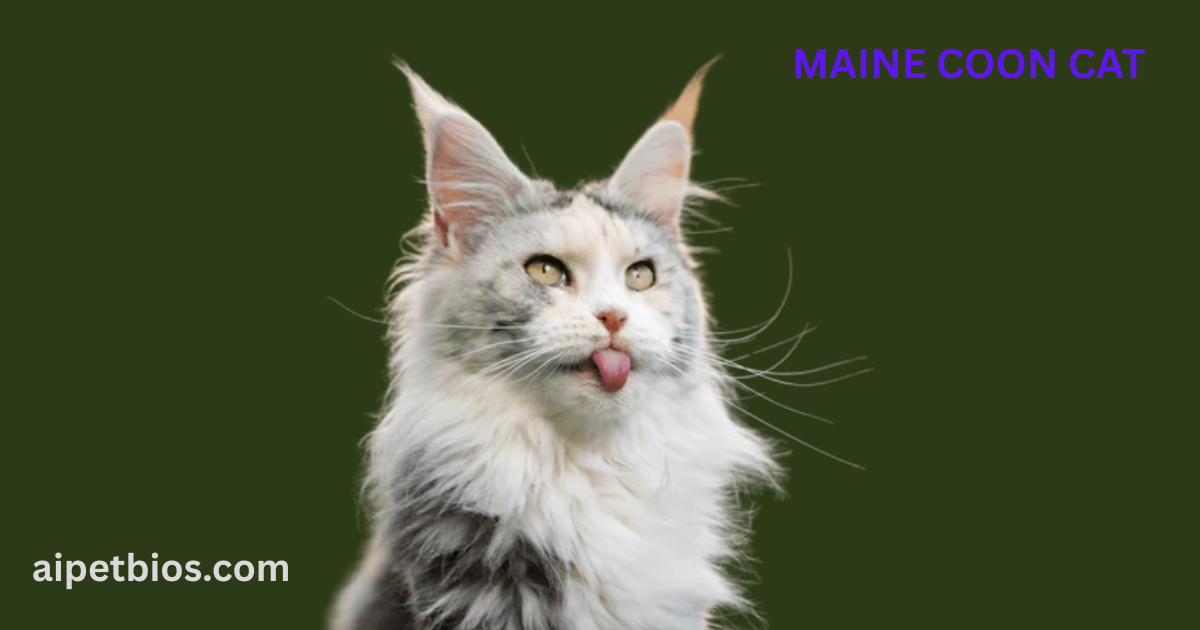
The Maine Coon is often called the “gentle giant” of the feline world, and for good reason. Standing as one of the largest domesticated cat breeds, they possess a regal appearance balanced by a goofy, kitten-like personality that persists well into adulthood. Known for their majestic size, distinctive tufted ears, and exceptionally bushy tails, this breed has climbed the ranks to become one of the most searched and beloved cats globally.
Whether you are a first-time pet parent or a seasoned cat enthusiast, understanding the Maine Coon’s unique history, specialized care requirements, and social temperament is vital. This guide explores everything you need to know about bringing this “lumberjack of the cat world” into your home.
Quick Facts Table
| Feature | Details |
| Breed Name | Maine Coon |
| Origin | United States (Maine) |
| Size | Large (Males: 15–25 lbs; Females: 10–15 lbs) |
| Lifespan | 12–15 years |
| Temperament | Gentle, “dog-like,” intelligent, social |
| Grooming Needs | High (Requires frequent brushing) |
| Growth Rate | Slow (Full size reached at 3–5 years) |
| Popularity | Consistently in the Top 3 globally |
Origin & History: From Farm Hand to Show Stopper
The Maine Coon originated in the rugged state of Maine, USA, where it is honored as the official state cat. As one of the oldest natural breeds in North America, its exact origins are shrouded in delightful folk legends.
- The Raccoon Myth: One popular (though biologically impossible) legend suggests they are a cross between a domestic cat and a raccoon—likely due to their bushy ringed tails.
- The Marie Antoinette Connection: Another story claims that during the French Revolution, Marie Antoinette attempted to escape to America, sending her long-haired Turkish Angora cats ahead. These cats supposedly bred with local short-haired cats in Maine.
- The Reality: Most historians agree they are likely descendants of domestic short-haired cats and long-haired breeds brought over by European seafarers or Vikings.
By the late 19th century, they were prized farm cats, valued for their hunting prowess and ability to survive harsh New England winters. They eventually transitioned from barns to the spotlight, winning “Best Cat” at the first major American cat show in 1895.
Physical Characteristics: The Majestic Build
A Maine Coon is unmistakable. Unlike many breeds that look like “smaller versions” of big cats, the Maine Coon has a rugged, rectangular body shape and a coat built for survival.
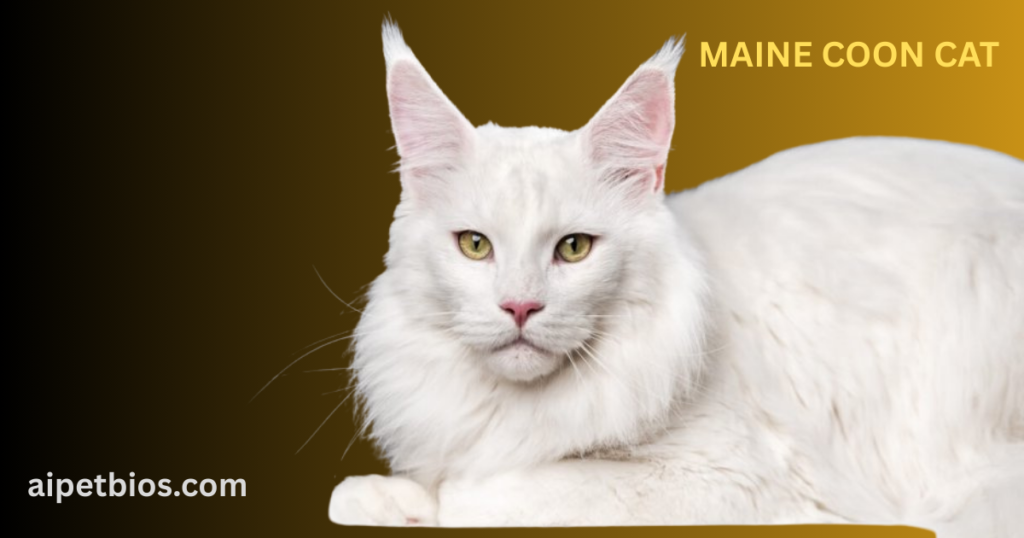
- The Coat: They possess a heavy, shaggy double coat that is shorter on the shoulders and longer on the stomach and “britches.” Their fur is water-resistant, a relic of their time spent in snow and rain.
- The Tail: Their tail is often as long as their body. They use it like a blanket, wrapping it around themselves for warmth.
- The Ears: Known as “lynx tips,” the tufts of hair at the tips of their ears help keep the ears warm and contribute to their wild look.
- The Paws: They have large, tufted “snowshoe” paws, designed to walk across deep snow without sinking.
Personality & Temperament: The Dog of the Cat World
If you want a cat that acts a bit like a golden retriever, the Maine Coon is your best bet. They are famously “dog-like” in their loyalty and behavior.
- Social but Not Needy: They enjoy being in the same room as you but aren’t necessarily “velcro cats” that need to be on your lap at all times.
- Vocalizations: Instead of a standard “meow,” they are known for “chirping” and “trilling.” They are very talkative and will “discuss” their day with you.
- Intelligence: They are highly trainable. Many owners successfully teach their Maine Coons to fetch, walk on a leash, or open doors.
- Water Lovers: Unlike most felines, many Maine Coons are fascinated by water. Don’t be surprised if they try to join you in the shower or splash in their water bowl.
Diet & Feeding Guide: Fueling a Giant
Because the Maine Coon can take up to five years to reach full physical maturity, their nutritional needs are specific.
- High-Protein Requirement: As obligate carnivores, they need a diet rich in real meat (chicken, turkey, or fish) to support their large muscle mass.
- Calorie Management: Because they are large, it is easy to overfeed them. Obesity is a significant risk that can lead to joint pain.
- Taurine & Fatty Acids: Ensure their food contains taurine for heart health and Omega-3/6 fatty acids to maintain that massive coat.
- Hydration: Due to their size, they are prone to kidney issues. Always provide fresh, filtered water—ideally in a fountain, which encourages their natural love for running water.
Grooming & Maintenance: Managing the Mane
Owning a Maine Coon comes with a commitment to grooming. This isn’t just for aesthetics; it’s a health necessity.
- Brushing: At least 2–3 times a week is required to prevent painful mats. During shedding seasons (spring and fall), daily brushing is recommended.
- The “Sanitary Clip”: Because of their long fur on the hindquarters, many owners opt for a “sanitary trim” to keep the area clean.
- Nail Care: Their claws are powerful. Trimming every 2 weeks is essential, alongside providing heavy-duty scratching posts.
- Ear Cleaning: Check their tufted ears weekly for wax buildup or debris, which can be trapped by the long hair.
Common Health Concerns
While generally hardy, the Maine Coon is genetically predisposed to certain conditions:
- Hypertrophic Cardiomyopathy (HCM): A form of heart disease. Reputable breeders screen for the genetic mutation that causes this.
- Hip Dysplasia: Common in larger breeds, this can cause lameness or arthritis.
- Spinal Muscular Atrophy (SMA): A genetic disorder affecting the muscles of the trunk and limbs.
- Polycystic Kidney Disease (PKD): A slowly progressive condition that can lead to kidney failure.
(Note: Always consult with a veterinarian for a personalized health plan.)
Training & Care Tips
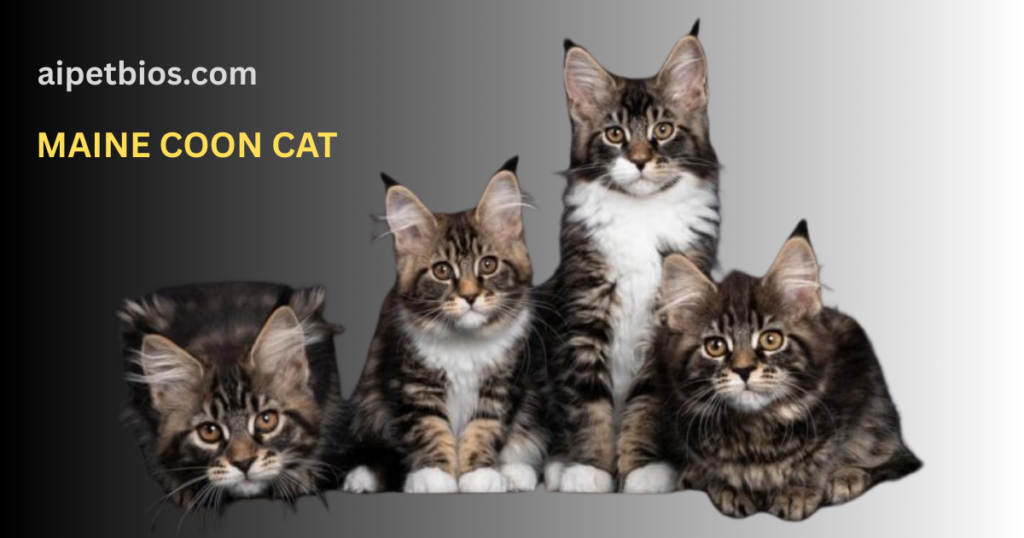
- Vertical Space: Maine Coons love to climb. Invest in an “extra-large” cat tree; standard trees may topple under their weight.
- Mental Stimulation: Use puzzle feeders and interactive wands. A bored Maine Coon can become destructive.
- Leash Training: Start young. Their confident nature makes them excellent candidates for the “adventure cat” lifestyle.
- Litter Box Size: A standard litter box is too small. Look for “Jumbo” or “High-Sided” boxes meant for small dogs or large breeds.
Pros and Cons
Pros:
- Incredibly patient with children and other pets.
- Stunning, majestic appearance that draws attention.
- Highly intelligent and capable of learning tricks.
- Affectionate without being overly demanding.
Cons:
- High shedding and intensive grooming requirements.
- Higher food and medical costs due to size.
- Prone to certain expensive genetic health conditions.
- Requires more living space than a standard cat.
Is This Cat Right for You?
The Maine Coon is a perfect fit for active households that want a “companion” cat. If you have the time for grooming and the space for a 20-pound feline to roam, you will be rewarded with a loyal friend. However, if you prefer a low-maintenance pet or live in a very cramped studio apartment, the size and grooming needs might be overwhelming.
Frequently Asked Questions
Q1: How big does a Maine Coon get?
Males can weigh between 15 and 25 lbs, while females typically range from 10 to 15 lbs. They can reach lengths of up to 40 inches from nose to tail.
Q2: Do Maine Coons shed a lot?
Yes. Their thick double coat sheds year-round, with heavy shedding twice a year. Regular grooming is necessary to manage the fur.
Q3: Are they good with dogs?
Absolutely. They are often called “cat-dogs” because they get along famously with canine companions.
Q4: How long do they live?
With proper diet and veterinary care, the average lifespan is 12 to 15 years.
Q5: Why do they have tufted ears?
The tufts (lynx tips) evolved to protect their ears from the cold and to help funnel sound, though today they are mostly a distinct breed trait.
Conclusion
The Maine Coon is more than just a pet; it is a presence in the home. From their mysterious origins in the woods of Maine to their status as a beloved “gentle giant,” they offer a unique blend of wild looks and domestic sweetness. By providing the right diet, consistent grooming, and plenty of love, you will have a majestic companion for years to come.

Want Popular On Google? | Lust Quality Backlinks That Force-fed
I’m an SEO Expert, Guest Posting Specialist, and Web Developer helping websites increase rankings, traffic, and authority using clean, white-hat strategies 🚀
I focus on high-authority guest posts, safe backlinks, SEO-optimized content, and technically sound websites—so your site doesn’t just rank, it stays ranked.
What I help you with:
✅ SEO (On-page, Off-page & Technical)
✅ Guest Posts on Real, Relevant Sites
✅ High-Quality Link Building
✅ Keyword Research & Content Strategy
✅ SEO-Friendly Website Development
📈 No spam. No shortcuts. Only results.
👉 Need backlinks that actually work?
📩 Let’s connect: https://wa.me/+923006932631
Living with a cat means accepting that you are no longer the primary owner of your furniture. This article perfectly captures that ‘landlord-tenant’ dynamic!