
Ultimate Bengal Cat Guide: Breed Traits, Care & Personality
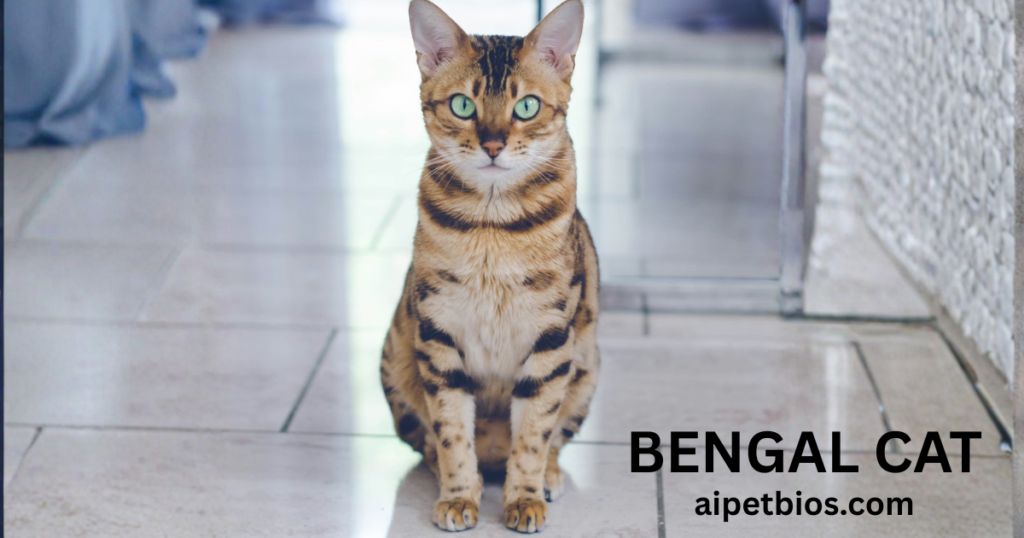
The Bengal cat is one of the most stunning and sought-after cat breeds in the world, captivating pet lovers with its wild appearance and dog-like personality. If you’ve ever dreamed of having a miniature leopard lounging in your living room, the Bengal cat breed might just be your perfect match. This comprehensive guide will walk you through everything you need to know about these extraordinary felines—from their fascinating origin story to daily care requirements, health considerations, and whether this exotic breed fits your lifestyle.
Whether you’re a first-time cat owner or an experienced feline enthusiast, understanding the unique characteristics of the Bengal cat is essential before bringing one home. Let’s dive deep into the world of these magnificent spotted beauties
Quick Facts about Bengal Cats
| Characteristic | Details |
| Origin | United States (1960s-1970s) |
| Size | Medium to Large (8-15 lbs for females, 10-18 lbs for males) |
| Lifespan | 12-16 years |
| Coat Type | Short, soft, silky |
| Colors | Brown tabby, snow, silver, charcoal |
| Pattern | Spotted or marbled |
| Temperament | Active, intelligent, playful, affectionate |
| Energy Level | Very High |
| Grooming Needs | Low to Moderate |
| Good with Children | Yes (with proper socialization) |
| Good with Pets | Yes (especially with dogs) |
| Vocalization | Moderate to High |
Origin & History of the Bengal Cat
The Bengal cat breed has a fascinating origin story that sets it apart from most domestic cats. This breed was created through the intentional crossing of domestic cats with the Asian leopard cat (Prionailurus bengalensis), a small wild feline native to South and Southeast Asia.
The journey began in 1963 when geneticist Jean Mill purchased an Asian leopard cat from a pet store. She wasn’t initially planning to create a new breed, but when her leopard cat mated with a domestic black tomcat, the first hybrid kitten was born. Mill saw potential in creating a breed that possessed the exotic beauty of wild cats while maintaining the gentle temperament of domestic felines.
Throughout the 1970s and 1980s, Mill and other breeders carefully developed the Bengal through selective breeding programs. They crossed the early-generation hybrids with various domestic breeds, including Egyptian Maus, Abyssinians, and American Shorthairs, to refine the temperament while preserving the wild appearance.
The International Cat Association (TICA) officially recognized the Bengal cat in 1983, and the breed gained championship status in 1991. Today’s Bengals are typically fourth generation or later (F4+), meaning they’re far removed from their wild ancestors and possess predictable, domesticated temperaments while retaining their stunning wild looks
Physical Characteristics of Bengal Cats
Build and Structure
The Bengal cat boasts an athletic, muscular build that reflects its wild heritage. These cats are surprisingly heavy for their size due to their dense muscle mass. Males typically weigh between 10-18 pounds, while females range from 8-15 pounds. Their bodies are long and substantial, with strong bone structure and a robust appearance.
Coat Patterns and Colors
What truly distinguishes the Bengal cat breed is its extraordinary coat. The two primary pattern types are:
Spotted Pattern: The most common and sought-after pattern features random or horizontal spotting that resembles a leopard or jaguar. These spots can be small to large and may form rosettes (spots with darker outlines and lighter centers).
Marbled Pattern: This pattern displays flowing horizontal swirls of color that create a unique, marble-like effect across the cat’s body.
Bengal cats come in several recognized colors:
- Brown Tabby: The classic Bengal look with golden to mahogany base color and dark brown to black markings
- Snow Bengal: Available in three variations (Seal Lynx Point, Seal Mink, and Seal Sepia) with cream to ivory base colors
- Silver Bengal: Silver base color with dark gray to black markings
- Charcoal Bengal: Darker overlay that creates a more dramatic, wild appearance
Distinctive Features
Beyond their coat, Bengals have several notable physical traits:
- Eyes: Large, oval-shaped eyes that can be gold, green, or blue (in snow varieties)
- Ears: Medium-sized with rounded tips, set wide apart
- Head: Broad, modified wedge shape with gentle contours
- Legs: Medium length with muscular thighs
- Tail: Thick, medium length, carried low
- Paw Pads: Often black, adding to their wild appearance
The Bengal’s coat has a unique quality called “glitter”—a light-reflective sheen that makes the fur sparkle in sunlight, an extraordinary characteristic rarely seen in other breeds.
Personality & Temperament of Bengal Cats
Don’t let the wild appearance fool you—the Bengal cat has a personality more akin to a dog than a typical house cat. These felines are renowned for their high intelligence, boundless energy, and strong bonds with their human families.
Active and Athletic
Bengals are incredibly active cats that require substantial physical and mental stimulation. They love to climb, jump, and explore every corner of their environment. Many Bengal owners install cat trees, wall shelves, and climbing structures to satisfy their cat’s natural climbing instincts. These cats can jump up to three times their height and are known for their impressive athleticism.
Highly Intelligent
The Bengal cat breed ranks among the most intelligent domestic cat breeds. They’re quick learners who can master tricks, solve puzzle toys, and even learn to open doors and cabinets. This intelligence means they need regular mental stimulation to prevent boredom, which can lead to destructive behaviors.
Social and Affectionate
Unlike some cat breeds that prefer solitude, Bengals are highly social creatures. They form strong attachments to their families and often follow their owners from room to room. Many Bengals enjoy playing fetch, walking on leashes, and participating in family activities. They typically do well in multi-pet households and can even befriend dogs.
Vocal and Communicative
Bengals are known for being quite talkative. They use a variety of vocalizations—from chirps and trills to meows and purrs—to communicate their needs and desires. Some Bengals are more vocal than others, but most owners report having frequent “conversations” with their cats.
Water Lovers
Unlike most domestic cats, many Bengals have a fascination with water. They may play in their water bowls, join you in the shower, or even learn to swim. This trait likely stems from their Asian leopard cat ancestry, as these wild cats are known to fish in streams.
Diet & Feeding: Bengal Cat Guide
Proper nutrition is crucial for maintaining your Bengal cat’s health, energy levels, and stunning coat. These active felines have specific dietary needs that differ slightly from less active breeds.
Nutritional Requirements
Bengal cats require a high-protein diet to support their muscular build and active lifestyle. Look for cat foods where real meat (chicken, turkey, fish, or beef) is the first ingredient. The ideal macronutrient breakdown is:
- Protein: 35-50% (higher than average domestic cats)
- Fat: 15-20% (for energy and coat health)
- Carbohydrates: Less than 10% (Bengals thrive on low-carb diets)
Feeding Schedule
Kittens (8 weeks to 6 months): Feed 3-4 small meals daily with kitten-specific formulas high in calories and nutrients to support rapid growth.
Young Adults (6 months to 2 years): Transition to 2-3 meals daily with adult cat food as they reach full size.
Adults (2+ years): Feed 2 meals daily to maintain healthy weight and prevent obesity.
Food Types
Wet Food: Many veterinarians recommend wet food as the primary diet for Bengals because it provides hydration and is closer to their natural carnivorous diet.
Dry Food: Can be offered as supplementary food or for dental health benefits, but should not be the sole diet.
Raw or Home-Cooked Diets: Some Bengal owners opt for raw or home-cooked diets under veterinary guidance, as these can closely mimic a wild cat’s natural prey diet.
Foods to Avoid
Never feed your Bengal cat:
- Chocolate, caffeine, or alcohol
- Onions, garlic, or chives
- Grapes and raisins
- Raw eggs or raw fish
- Excessive treats (should be less than 10% of daily calories)
- Foods high in grains or fillers
Hydration
Always provide fresh, clean water. Consider a cat water fountain, as Bengals are attracted to moving water and will drink more when water is flowing.
Grooming & Maintenance Requirements
One of the advantages of owning a Bengal cat is their relatively low-maintenance grooming needs compared to long-haired breeds. However, regular care is still essential for keeping your Bengal healthy and looking their best.
Coat Care
Brushing: Bengal cats have short, soft coats that require minimal brushing—once weekly is typically sufficient. During seasonal shedding (spring and fall), increase brushing to 2-3 times per week to remove loose hair and reduce hairballs.
Bathing: Unlike most cats, many Bengals enjoy water and can be bathed occasionally (every 4-6 months) if needed. Use a gentle, cat-specific shampoo. However, bathing is rarely necessary as Bengals are excellent self-groomers.
Nail Care
Trim your Bengal’s nails every 2-3 weeks to prevent overgrowth and protect your furniture. Provide scratching posts and pads to satisfy their natural scratching instincts. Bengals are enthusiastic scratchers, so multiple scratching surfaces throughout your home are recommended.
Dental Hygiene
Dental care is crucial for preventing periodontal disease. Ideally, brush your Bengal cat’s teeth daily using cat-specific toothpaste. At minimum, aim for 2-3 times weekly. Dental treats and toys can supplement (but not replace) brushing.
Ear and Eye Care
Check your Bengal’s ears weekly for dirt, wax buildup, or signs of infection (redness, odor). Clean with a veterinarian-approved ear cleaner if necessary. Wipe away any eye discharge with a soft, damp cloth, using a separate area for each eye.
Environmental Enrichment
While not traditional “grooming,” providing environmental enrichment is essential maintenance for this intelligent breed:
- Install multiple cat trees and climbing structures
- Provide puzzle feeders and interactive toys
- Rotate toys regularly to maintain interest
- Create vertical spaces for climbing and perching
- Consider a catio (outdoor cat enclosure) for safe outdoor access
Common Health Concerns in Bengal Cats
The Bengal cat breed is generally healthy and robust, but like all purebred cats, they can be predisposed to certain health conditions. Being aware of these potential issues helps you provide preventive care and catch problems early.
Genetic Health Conditions
Progressive Retinal Atrophy (PRA): An inherited eye condition that leads to gradual vision loss and eventual blindness. Responsible breeders test for PRA-b, the variant that affects Bengals. There is no treatment, but affected cats can adapt well to blindness.
Hypertrophic Cardiomyopathy (HCM): The most common heart disease in cats, HCM causes thickening of the heart muscle. Annual cardiac screenings can detect this condition early. Symptoms include lethargy, difficulty breathing, and reduced appetite.
Pyruvate Kinase Deficiency (PK-Def): A genetic condition affecting red blood cells that can cause anemia. Reputable breeders test for this condition. Many cats with PK-Def live normal lives with proper monitoring.
Flat Chested Kitten Syndrome: A developmental condition where the chest doesn’t develop properly, causing breathing difficulties. Most kittens outgrow this by adulthood if they survive the first few weeks.
Digestive Sensitivities
Some Bengals have sensitive stomachs and may experience inflammatory bowel disease (IBD) or food sensitivities. High-quality, grain-free diets often help minimize digestive issues.
Preventive Care
To keep your Bengal cat healthy:
- Schedule annual veterinary checkups (bi-annual for seniors)
- Stay current on vaccinations and parasite prevention
- Request genetic health testing from breeders
- Maintain a healthy weight through proper diet and exercise
- Monitor for behavioral changes that might indicate illness
- Consider pet insurance to offset potential healthcare costs
Important Note:
This information is educational only. Always consult with a licensed veterinarian for medical advice, diagnosis, and treatment recommendations for your cat.
Training & Care Tips for Bengal Cats
The high intelligence of the Bengal cat makes training both easier and more necessary than with typical domestic cats. A well-trained, mentally stimulated Bengal is a happy, well-behaved companion.
Basic Training
Litter Box Training: Most Bengal kittens come pre-trained from breeders. Provide a large, clean litter box (Bengal cats prefer uncovered boxes) and scoop daily.
Leash Training: Many Bengals can be trained to walk on a leash, allowing safe outdoor adventures. Start young with a harness (never a collar), and practice indoors before venturing outside.
Trick Training: Bengals excel at learning tricks like sit, fetch, high-five, and even using the toilet. Use positive reinforcement with treats and praise. Keep training sessions short (5-10 minutes) but frequent.
Behavioral Management
Addressing High Energy: Bengals require 30-60 minutes of active playtime daily. Without adequate stimulation, they may develop destructive behaviors like excessive vocalization, scratching furniture, or aggression.
Interactive Play: Use wand toys, laser pointers (always end with a catchable toy), and puzzle feeders to engage your Bengal’s hunting instincts.
Socialization: Expose your Bengal kitten to various people, pets, and experiences early to develop a well-adjusted adult cat.
Boundary Setting: Bengals test boundaries, so consistency is crucial. If a behavior is unacceptable, it must always be unacceptable—never sometimes okay.
Creating an Ideal Environment
- Vertical Space: Install wall-mounted shelves, tall cat trees, and climbing structures
- Window Perches: Bengals love watching outdoor activity
- Safe Outdoor Access: Consider a catio or supervised outdoor time
- Multiple Litter Boxes: Rule of thumb is one per cat plus one extra
- Scratching Surfaces: Provide various textures and orientations
- Hideaways: Despite being social, Bengals need quiet retreat spaces
Managing Multi-Pet Households
Bengal cats generally integrate well with other pets, especially dogs. Introduce new pets gradually using the scent-swapping method and supervised interactions. Bengals often become the “alpha” in multi-pet households due to their confident, dominant personalities.
Pros and Cons of Bengal Cat Ownership
Pros (Advantages)
✓ Stunning Appearance: Exotic, wild looks with unique spotted or marbled patterns and glittering coat
✓ Highly Intelligent: Easy to train, learns tricks, and provides endless entertainment with their problem-solving abilities
✓ Dog-Like Personality: Forms strong bonds, plays fetch, walks on leashes, and greets you at the door
✓ Low Grooming Needs: Short coat requires minimal brushing and sheds moderately
✓ Active Companion: Perfect for active households that want an interactive, engaging pet
✓ Social and Affectionate: Loves family time and integrates well with children and other pets
✓ Conversation Starter: Unique appearance always generates interest and questions from visitors
✓ Generally Healthy: Robust breed with fewer genetic issues than many purebreds when from reputable breeders
Cons (Challenges)
✗ Extremely High Energy: Requires significant daily exercise and mental stimulation; not suitable for sedentary lifestyles
✗ Can Be Destructive: Without proper outlets, may scratch furniture, knock items off shelves, or engage in other undesirable behaviors
✗ Expensive to Purchase: Purebred Bengal kittens from reputable breeders cost $1,500-$10,000+ depending on quality and lineage
✗ Vocal: Some Bengals are very talkative, which may be problematic in apartments or for noise-sensitive owners
✗ Not Ideal for First-Time Owners: Strong personalities and high needs make them challenging for inexperienced cat owners
✗ Requires Space: Needs room for climbing structures, running, and play—not ideal for small apartments
✗ Attention-Demanding: Can develop separation anxiety and doesn’t do well being left alone for extended periods
✗ Potential Health Costs: Genetic testing and potential hereditary conditions can lead to veterinary expenses
Is the Bengal Cat Right for You?
Before committing to a Bengal cat, honestly assess whether your lifestyle can accommodate this breed’s unique requirements.
Bengal Cats Are Ideal For:
- Active individuals or families who enjoy interactive play and can dedicate time daily to engaging their cat
- Experienced cat owners who understand feline behavior and can handle a strong-willed personality
- People who work from home or have family members home during the day to provide companionship
- Those with adequate space for climbing structures, play areas, and environmental enrichment
- Pet owners seeking a unique companion who wants more than a typical lap cat
- Households with dogs or other active pets that can match the Bengal’s energy level
- People who appreciate vocalization and want a “talkative” companion
Bengal Cats Are NOT Ideal For:
- First-time cat owners who may be overwhelmed by the Bengal’s demands and energy
- People who travel frequently or work long hours away from home
- Those seeking a calm, low-maintenance lap cat that will sleep most of the day
- Apartment dwellers with limited space for vertical enrichment (unless you can provide adequate structures)
- Individuals on tight budgets who cannot afford the initial purchase price, quality food, and potential veterinary expenses
- People who want a quiet household where excessive meowing would be problematic
- Those who cannot provide daily interactive play and mental stimulation
Making the Decision
If you’re ready for an active, intelligent, and sometimes demanding companion that will fill your life with entertainment, affection, and beauty, the Bengal cat breed might be perfect for you. However, if you prefer a more relaxed, independent feline, consider other breeds that better match your lifestyle.
Before purchasing, visit reputable breeders, spend time with adult Bengals to experience their personality firsthand, and ensure you can meet their long-term physical, mental, and financial needs.
Frequently Asked Questions About Bengal Cats
Are Bengal cats good house pets?
Yes, Bengal cats make excellent house pets for the right owners. They’re affectionate, social, and form strong bonds with families, including children and other pets. However, they require more attention, exercise, and mental stimulation than average domestic cats. Ideal owners are active, experienced with cats, and can dedicate time to interactive play and training. Bengals thrive in households where they receive adequate enrichment and aren’t left alone for extended periods.
Do Bengal cats have health problems?
While generally healthy, Bengal cats can be prone to certain genetic conditions including Progressive Retinal Atrophy (PRA), Hypertrophic Cardiomyopathy (HCM), and Pyruvate Kinase Deficiency (PK-Def). Reputable breeders conduct genetic testing to minimize these risks. With proper care, preventive veterinary visits, and healthy diet, most Bengals live 12-16 years with good quality of life. Always purchase from breeders who provide health guarantees and genetic testing documentation.
Are Bengal cats high maintenance?
The Bengal cat breed is moderately high maintenance—not in grooming (their short coat is easy), but in terms of time, attention, and environmental enrichment. They require 30-60 minutes of active play daily, mental stimulation through puzzle toys and training, vertical space for climbing, and consistent companionship. They’re not cats you can ignore all day. However, for owners willing to invest the time, Bengals are incredibly rewarding companions. Budget-wise, expect higher costs for quality food, environmental enrichment, and potential veterinary care.
Can Bengal cats be left alone?
Bengal cats can be left alone for 8-10 hours (a typical workday) if provided with adequate enrichment—puzzle feeders, interactive toys, climbing structures, and companion pets. However, they don’t do well with extended absences or frequent multi-day trips without pet sitters. Bengals are social cats that can develop separation anxiety, destructive behaviors, or depression if left alone too often. If you travel frequently or work extremely long hours, a Bengal may not be the best choice unless you have another pet companion or can arrange for regular interaction.
How much does a Bengal cat cost?
Bengal cats typically cost between $1,500 and $3,000 from reputable breeders for pet-quality kittens. Show-quality or breeding-quality Bengals can range from $3,000 to $10,000 or more, depending on pedigree, generation, coat quality, and breeder reputation. Initial setup costs (litter box, cat tree, toys, vet visits) add another $500-$1,000. Ongoing expenses include high-quality food ($50-$100/month), annual vet care ($200-$500), pet insurance ($30-$50/month), and toys/enrichment. Budget at least $1,500-$2,000 annually for Bengal cat ownership beyond the initial purchase price.
Conclusion: Embracing Life with a Bengal Cat
The Bengal cat is truly a one-of-a-kind breed that brings exotic beauty, intelligence, and boundless energy into your home. These magnificent felines offer a unique pet ownership experience that goes far beyond typical domestic cats—they’re engaging companions that interact with you like dogs while maintaining their distinctly feline grace and independence.
From their wild-looking spotted or marbled coats to their playful, affectionate personalities, Bengal cats captivate everyone they meet. However, this extraordinary breed requires extraordinary commitment. Potential owners must honestly evaluate whether they can provide the daily exercise, mental stimulation, social interaction, and environmental enrichment that Bengals need to thrive.
When matched with the right owner, the Bengal cat breed becomes an irreplaceable family member—a conversation starter, adventure companion, and source of endless entertainment. Their intelligence allows for training opportunities rarely possible with other cats, while their affectionate nature ensures strong emotional bonds.
If you’re ready to embrace an active lifestyle with a feline companion that challenges the traditional cat stereotype, research reputable breeders, prepare your home with adequate climbing structures and enrichment, and get ready for an incredible journey with one of the most fascinating cat breeds in existence.
Disclaimer:
This article is for informational purposes only and does not constitute veterinary medical advice. Always consult with a licensed veterinarian regarding your cat’s health, diet, and care needs.